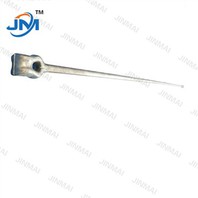
As a supplier of Line Iron Parts, I understand the critical role that choosing the right coating plays in enhancing the performance, durability, and aesthetics of these components. In this blog, I'll share insights on how to select the most suitable coating for line iron parts, considering factors such as environment, function, and cost.
Understanding the Importance of Coatings for Line Iron Parts
Line iron parts are used in a wide range of applications, from construction and infrastructure to automotive and machinery. These parts are often exposed to harsh environmental conditions, including moisture, chemicals, and abrasion. A proper coating can provide protection against corrosion, wear, and other forms of damage, extending the lifespan of the parts and reducing maintenance costs.
In addition to protection, coatings can also improve the appearance of line iron parts, giving them a more professional and finished look. This is particularly important in applications where the parts are visible, such as architectural structures or consumer products.
Factors to Consider When Choosing a Coating
1. Environmental Conditions
The first step in choosing the right coating is to consider the environmental conditions to which the line iron parts will be exposed. Different coatings offer varying levels of protection against different environmental factors, such as corrosion, UV radiation, and temperature extremes.
- Corrosion Resistance: If the parts will be exposed to moisture, chemicals, or saltwater, a corrosion-resistant coating is essential. Zinc-based coatings, such as Hot Dip Galvanized Full Thread Bolts, are a popular choice for their excellent corrosion resistance. Hot-dip galvanizing involves immersing the iron parts in a bath of molten zinc, which forms a protective layer that prevents rust and corrosion.
- UV Resistance: For parts that will be exposed to sunlight, a coating with UV resistance is necessary to prevent fading and degradation. Acrylic and polyurethane coatings are commonly used for their good UV resistance.
- Temperature Resistance: In high-temperature applications, a coating that can withstand heat without losing its properties is required. Ceramic and epoxy coatings are known for their high-temperature resistance.
2. Function and Performance Requirements
The function and performance requirements of the line iron parts also influence the choice of coating. Consider the following factors:


- Wear Resistance: If the parts will be subject to abrasion or friction, a wear-resistant coating can help prevent premature wear and damage. Hard chrome plating and tungsten carbide coatings are examples of wear-resistant coatings.
- Electrical Conductivity: In some applications, such as electrical equipment, parts may require a coating that provides electrical conductivity. Silver and copper coatings are good conductors and can be used for this purpose.
- Chemical Resistance: If the parts will come into contact with chemicals, a coating that is resistant to those chemicals is necessary. Fluoropolymer coatings, such as Teflon, offer excellent chemical resistance.
3. Cost and Budget
Cost is always an important consideration when choosing a coating. Different coatings have different costs, depending on factors such as material, application method, and thickness. It's important to balance the cost of the coating with the desired level of protection and performance.
- Initial Cost: The initial cost of the coating includes the cost of the coating material, labor, and equipment for application. Some coatings, such as powder coatings, are generally more cost-effective than others, such as electroplating.
- Long-Term Cost: Consider the long-term cost of the coating, including maintenance and replacement costs. A higher-quality coating may have a higher initial cost but can save money in the long run by reducing maintenance and replacement frequency.
4. Aesthetic Requirements
In applications where the appearance of the line iron parts is important, the aesthetic requirements of the coating should be considered. Coatings can be available in a variety of colors, finishes, and textures to meet different aesthetic preferences.
- Color and Finish: Choose a coating color and finish that complements the overall design and appearance of the application. Powder coatings offer a wide range of color options and can provide a smooth, matte, or textured finish.
- Gloss Level: The gloss level of the coating can also affect the appearance of the parts. High-gloss coatings can give a shiny and reflective look, while low-gloss coatings can provide a more subtle and subdued appearance.
Common Types of Coatings for Line Iron Parts
1. Zinc Coatings
Zinc coatings are one of the most commonly used coatings for line iron parts due to their excellent corrosion resistance. There are several types of zinc coatings, including hot-dip galvanizing, electro-galvanizing, and zinc-rich paints.
- Hot-Dip Galvanizing: As mentioned earlier, hot-dip galvanizing involves immersing the iron parts in a bath of molten zinc. This process creates a thick and durable zinc coating that provides long-term protection against corrosion. Hot-dip galvanized parts are commonly used in outdoor applications, such as construction and infrastructure.
- Electro-Galvanizing: Electro-galvanizing is a process of depositing a thin layer of zinc onto the iron parts using an electrical current. This method is suitable for parts that require a more precise and uniform coating thickness. Electro-galvanized parts are often used in automotive and consumer product applications.
- Zinc-Rich Paints: Zinc-rich paints are a cost-effective alternative to hot-dip galvanizing and electro-galvanizing. These paints contain a high percentage of zinc powder, which provides sacrificial protection against corrosion. Zinc-rich paints are easy to apply and can be used for field repairs or touch-ups.
2. Powder Coatings
Powder coatings are a popular choice for line iron parts due to their durability, environmental friendliness, and aesthetic appeal. Powder coatings are applied as a dry powder and then cured under heat to form a hard and smooth coating.
- Advantages: Powder coatings offer excellent corrosion resistance, weather resistance, and color retention. They are also available in a wide range of colors and finishes, making them suitable for a variety of applications. Additionally, powder coatings are environmentally friendly, as they produce less waste and emissions compared to liquid coatings.
- Application Process: The application process for powder coatings involves electrostatic spraying, which ensures a uniform and smooth coating. The parts are then heated in an oven to cure the powder and form a durable coating.
3. Epoxy Coatings
Epoxy coatings are known for their excellent chemical resistance, adhesion, and durability. They are commonly used in industrial applications where the parts are exposed to harsh chemicals, abrasion, or high temperatures.
- Types of Epoxy Coatings: There are different types of epoxy coatings, including solvent-based, water-based, and solvent-free epoxy coatings. Solvent-based epoxy coatings offer high performance but can be more hazardous to the environment. Water-based epoxy coatings are more environmentally friendly but may have slightly lower performance. Solvent-free epoxy coatings are the most environmentally friendly option and offer good performance.
- Application: Epoxy coatings can be applied by brushing, spraying, or dipping. They require proper surface preparation to ensure good adhesion.
4. Chrome Coatings
Chrome coatings are used for their decorative and functional properties. Hard chrome plating is commonly used to improve the wear resistance and corrosion resistance of line iron parts, while decorative chrome plating is used to enhance the appearance of the parts.
- Hard Chrome Plating: Hard chrome plating involves depositing a thick layer of chromium onto the iron parts using an electroplating process. This coating provides excellent wear resistance, low friction, and good corrosion resistance. Hard chrome-plated parts are commonly used in automotive, aerospace, and machinery applications.
- Decorative Chrome Plating: Decorative chrome plating is used to give the parts a shiny and reflective appearance. It is often used in consumer products, such as automotive trim and household fixtures.
Making the Right Choice
Choosing the right coating for line iron parts requires careful consideration of the environmental conditions, function and performance requirements, cost, and aesthetic requirements. By understanding the different types of coatings available and their characteristics, you can make an informed decision that meets the specific needs of your application.
If you are unsure which coating is the best choice for your Line Iron Parts, our team of experts is here to help. We can provide you with technical advice and guidance based on our extensive experience in the industry.
We are committed to providing high-quality line iron parts with the right coating to meet your requirements. Whether you need Hot Dip Galvanized Extension Rod or other line iron parts, we have the expertise and resources to deliver products that meet your expectations.
Contact us today to discuss your needs and start a partnership for successful projects. We look forward to working with you to find the perfect coating solution for your line iron parts.
References
- Schewe, T. (2020). Handbook of Corrosion Engineering. McGraw-Hill Professional.
- Pocius, A. V. (2018). Adhesion and Adhesives Technology: An Introduction. CRC Press.
- Mattox, D. M. (2010). Handbook of Physical Vapor Deposition (PVD) Processing. Noyes Publications.