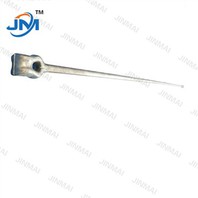
Steel flat arms are essential components in many industries, including electrical, construction, and manufacturing. Their performance and durability are crucial for ensuring the reliability of various systems. One of the key factors that determine the longevity of steel flat arms is their corrosion resistance. In this blog, as a supplier of steel flat arms, I will delve into the topic of whether steel flat arms have good corrosion resistance, exploring different aspects of this issue.
1. Understanding Corrosion in Steel
Corrosion is a natural process that occurs when metals react with their environment. In the case of steel, which is an alloy primarily composed of iron and carbon, corrosion typically involves the oxidation of iron. When steel is exposed to oxygen and moisture, a chemical reaction takes place, forming iron oxide, commonly known as rust. Rust not only affects the appearance of steel but also weakens its structural integrity over time.
The rate of corrosion in steel can be influenced by several factors, including the composition of the steel, the presence of impurities, the environmental conditions (such as humidity, temperature, and the presence of corrosive substances), and the surface finish of the steel.
2. Types of Steel Used in Flat Arms
There are different types of steel that can be used to manufacture flat arms, each with its own characteristics and corrosion resistance properties.
Carbon Steel
Carbon steel is one of the most commonly used materials in the production of steel flat arms. It is relatively inexpensive and has good mechanical properties, such as high strength and hardness. However, carbon steel has poor corrosion resistance, as it contains a significant amount of iron, which is prone to oxidation. Without proper protection, carbon steel flat arms can rust quickly when exposed to a moist or corrosive environment.
Stainless Steel
Stainless steel is a popular choice for applications where corrosion resistance is a major concern. It contains chromium, which forms a passive oxide layer on the surface of the steel. This layer acts as a barrier, preventing oxygen and moisture from reaching the underlying metal and thereby inhibiting corrosion. The amount of chromium in stainless steel typically ranges from 10.5% to 30%, and the higher the chromium content, the better the corrosion resistance.
In addition to chromium, stainless steel may also contain other alloying elements such as nickel, molybdenum, and titanium, which can further enhance its corrosion resistance and other properties. For example, grade 316 stainless steel, which contains molybdenum, has better resistance to pitting and crevice corrosion compared to grade 304 stainless steel.
Galvanized Steel
Galvanized steel is another option for enhancing the corrosion resistance of steel flat arms. Galvanizing is a process in which a layer of zinc is applied to the surface of the steel. Zinc is more reactive than iron, so when the galvanized steel is exposed to an environment that causes corrosion, the zinc corrodes first, protecting the underlying steel. There are two main types of galvanizing processes: hot-dip galvanizing and electro-galvanizing. Hot-dip galvanizing results in a thicker and more durable zinc coating, providing longer-lasting corrosion protection.
3. Corrosion Resistance in Different Environments
The corrosion resistance of steel flat arms can vary depending on the environment in which they are used.
Outdoor Environments
Steel flat arms used outdoors are exposed to a variety of environmental factors, such as rain, humidity, sunlight, and pollutants. In coastal areas, the presence of salt in the air can accelerate corrosion. Stainless steel flat arms are generally a good choice for outdoor applications, especially in harsh environments. Their passive oxide layer can withstand the effects of moisture and corrosive agents over a long period. Galvanized steel flat arms are also suitable for outdoor use, as the zinc coating provides an additional layer of protection against corrosion.
Industrial Environments
In industrial settings, steel flat arms may be exposed to chemicals, acids, alkalis, and high temperatures. The type of steel required for these environments depends on the specific chemicals present. Stainless steel grades with high molybdenum content, such as 316L stainless steel, are often used in chemical processing plants and other industrial applications where resistance to corrosion from acids and other aggressive chemicals is necessary.
Indoor Environments
Even in indoor environments, steel flat arms can be at risk of corrosion. Factors such as high humidity, poor ventilation, and the presence of cleaning agents or other chemicals can contribute to corrosion. Carbon steel flat arms may require additional protection, such as painting or coating, to prevent rusting in indoor settings. Stainless steel or galvanized steel flat arms are more suitable for long - term use indoors without the need for frequent maintenance.
4. Corrosion Prevention Measures for Steel Flat Arms
Regardless of the type of steel used, there are several measures that can be taken to improve the corrosion resistance of steel flat arms.
Surface Treatments
In addition to galvanizing, other surface treatments can be applied to steel flat arms. Painting is a common method of protecting steel from corrosion. A high - quality paint coating can act as a barrier between the steel and the environment. Powder coating is another option, which provides a durable and uniform finish. Other treatments, such as phosphating and passivation, can also enhance the corrosion resistance of stainless steel flat arms.
Design Considerations
Proper design can also play a role in preventing corrosion. For example, ensuring good drainage and avoiding the accumulation of water on the surface of the steel flat arms can reduce the risk of corrosion. Designing the flat arms to minimize crevices and sharp corners can also help, as these areas are more prone to corrosion due to the enhanced likelihood of moisture and chemical accumulation.
5. Our Product Offerings and Their Corrosion Resistance
As a supplier of steel flat arms, we offer a wide range of products made from different types of steel to meet the diverse needs of our customers. Our stainless steel flat arms are made from high - quality stainless steel grades, providing excellent corrosion resistance in various environments. Whether it is for outdoor electrical installations or industrial machinery, our stainless steel flat arms can withstand the test of time.
We also offer galvanized steel flat arms. Our hot - dip galvanized flat arms have a thick and uniform zinc coating, which provides long - lasting protection against corrosion. These products are suitable for applications where cost - effectiveness and good corrosion resistance are both important.


In addition to steel flat arms, we also supply related products such as Stainless Steel Drop Cable Clamps, Secondary Clevis Bracket Hot DIP Galvanized Pole Line Hardware, and ANCHOR SHACKLE. All these products are designed with corrosion resistance in mind, ensuring their reliability and performance in real - world applications.
6. Conclusion: Are Steel Flat Arms Corrosion - Resistant?
In conclusion, the corrosion resistance of steel flat arms depends on the type of steel used, the environment in which they are installed, and the protective measures applied. Carbon steel flat arms generally have poor corrosion resistance and require additional protection. Stainless steel flat arms offer excellent corrosion resistance due to the presence of chromium and other alloying elements, and they are suitable for a wide range of applications, especially in harsh environments. Galvanized steel flat arms provide a cost - effective solution for improving corrosion resistance, with the zinc coating acting as a sacrificial anode.
If you are in the market for high - quality steel flat arms or related metal - stamping parts with good corrosion resistance, we are here to help. Our products are designed and manufactured to meet the highest standards, and we can provide customized solutions based on your specific requirements. Feel free to contact us to discuss your procurement needs, and our experienced team will be happy to assist you.
References
- Jones, D. A. (1992). Principles and Prevention of Corrosion. Prentice Hall.
- Uhlig, H. H., & Revie, R. W. (1985). Corrosion and Corrosion Control: An Introduction to Corrosion Science and Engineering. Wiley - Interscience.
- ASM International. (2003). Corrosion Basics: An Introduction. ASM International.