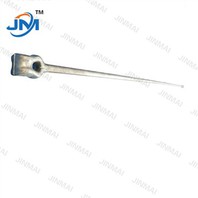
Pin type insulators are crucial components in electrical power distribution systems, especially in areas prone to high lightning activity. As a supplier of pin type insulators, I have witnessed firsthand the challenges and requirements these areas present. In this blog, I will explore how pin type insulators perform in such high - lightning regions, touching on their design features, performance evaluation, and maintenance needs.
Design and Structural Adaptations for High - Lightning Areas
Pin type insulators are designed to support and isolate electrical conductors from the poles. In high - lightning areas, several design elements play a vital role in enhancing their performance.
One of the key aspects is the material selection. Most pin type insulators are made of porcelain or polymer materials. Porcelain insulators have been in use for a long time due to their high mechanical strength and good electrical insulation properties. They can withstand high - voltage surges caused by lightning strikes. The dense structure of porcelain helps in preventing electrical breakdown during the rapid rise in voltage. On the other hand, polymer insulators are becoming increasingly popular. They are lighter in weight, which is beneficial for installation on poles. Polymer materials have excellent hydrophobicity, which means they can shed water easily. This property is crucial in high - lightning areas where moisture can increase the risk of flashovers.
The shape of the pin type insulator also matters. Insulators with a larger creepage distance are preferred. The creepage distance is the shortest path along the surface of the insulator between the live conductor and the grounded pole. A longer creepage distance reduces the likelihood of surface flashovers during lightning - induced voltage surges. Manufacturers often design pin type insulators with multiple sheds or ribs. These sheds increase the surface area and the creepage distance, making it more difficult for the arc to propagate across the insulator surface.
Another important design consideration is the connection between the insulator and the pole. A secure and stable connection is necessary to ensure that the insulator does not dislodge during a lightning - induced mechanical shock. Advanced fastening methods are used to keep the insulator firmly in place. For example, the use of high - strength bolts and brackets can enhance the mechanical integrity of the connection.
Performance Evaluation in High - Lightning Events
Evaluating the performance of pin type insulators in high - lightning areas involves both laboratory testing and field observations.
In the laboratory, insulators are subjected to simulated lightning impulses. The tests are designed to mimic the rapid rise and high - amplitude voltage spikes associated with lightning strikes. The insulators are evaluated based on their ability to withstand these impulses without experiencing electrical breakdown or mechanical damage. Parameters such as the impulse withstand voltage, the flashover voltage, and the leakage current are measured.
Field observations are equally important. By monitoring insulators in real - world high - lightning areas, we can gather data on their long - term performance. This includes observing the frequency of flashovers, the occurrence of surface degradation, and any signs of mechanical failure. For example, if an area experiences frequent lightning strikes, and the insulators show a high rate of flashovers, it may indicate that the insulators' design or material properties need to be re - evaluated.
Compatibility with Other Pole - Line Hardware
Pin type insulators do not work in isolation. They are part of a larger electrical power distribution system that includes various pole - line hardware components. In high - lightning areas, the compatibility between pin type insulators and other hardware is essential.
For instance, Pole Line Hardware Forged Thimble Eye is often used in conjunction with pin type insulators. These thimble eyes provide a secure attachment point for the conductors. A well - functioning thimble eye ensures that the conductor is properly connected to the insulator, reducing the risk of arcing and flashovers during lightning strikes.
Hot Dip Galvanized Strand Ground Clamps are also critical. Ground clamps help in providing a low - resistance path to the ground for the lightning - induced current. When a lightning strike occurs, the excess electrical energy needs to be safely dissipated into the ground. A properly installed and functioning ground clamp ensures that the pin type insulators are not over - stressed by the high - current surges.


Stay Rod Stay Plate is used to provide additional mechanical support to the poles. In areas with high lightning activity, strong winds and other weather - related factors can accompany lightning strikes. The stay rod and stay plate help in keeping the poles stable, which in turn protects the pin type insulators from mechanical damage.
Maintenance Requirements in High - Lightning Zones
Regular maintenance is crucial for ensuring the continued performance of pin type insulators in high - lightning areas.
Inspection of the insulators is a key maintenance activity. Visual inspections should be carried out on a regular basis to check for any signs of damage, such as cracks, chipping, or surface degradation. Any damaged insulators should be replaced immediately to prevent electrical failures.
Cleaning of the insulators is also important. In high - lightning areas, the insulators may accumulate dirt, dust, and other contaminants over time. These contaminants can reduce the insulator's electrical performance and increase the risk of flashovers. Cleaning methods can include using water, detergents, or specialized cleaning agents, depending on the type and severity of the contamination.
Testing of the insulators is another essential maintenance task. Periodic electrical testing, such as measuring the leakage current, can help in detecting early signs of insulation degradation. If the leakage current exceeds the acceptable limits, it may indicate that the insulator is no longer functioning properly and needs to be replaced.
Conclusion and Call to Action
In conclusion, pin type insulators play a vital role in electrical power distribution systems in areas with high lightning activity. Their performance is influenced by various factors, including design, material selection, compatibility with other hardware, and maintenance. By understanding these factors, we can ensure that the insulators provide reliable and long - term service.
If you are in need of high - quality pin type insulators for your electrical projects in high - lightning areas, or if you have any questions about our products and their performance, I encourage you to reach out. We have a team of experts who can provide you with detailed information and help you select the most suitable insulators for your specific needs. Let's start a conversation about how we can meet your pin type insulator requirements and ensure the safety and efficiency of your electrical systems.
References
- Blackburn, J. L. (2007). Protective Relaying: Principles and Applications. CRC Press.
- Grover, A. K. (2007). Electrical Machine Design. S. K. Kataria & Sons.
- Stevenson, W. D. (1982). Elements of Power System Analysis. McGraw - Hill.