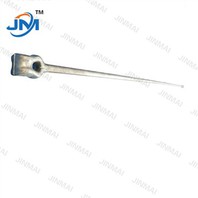
Installing an insulator spindle in a corrosive environment demands a comprehensive understanding of both the equipment and the challenges presented by such conditions. As a reputable insulator spindle supplier, I have witnessed firsthand the complexities and importance of proper installation in these scenarios. In this blog, I will share valuable insights and practical steps to guide you through the process effectively.
Understanding the Corrosive Environment
Before embarking on the installation process, it is crucial to gain a thorough understanding of the corrosive environment where the insulator spindle will be installed. Corrosive environments can vary widely, ranging from coastal areas with high salt content in the air to industrial settings with chemical pollutants. Each type of corrosive environment poses unique challenges that can affect the performance and longevity of the insulator spindle.
In coastal areas, the salt-laden air can cause corrosion on metal components of the insulator spindle, leading to reduced electrical insulation and potential safety hazards. Industrial environments, on the other hand, may expose the insulator spindle to chemicals such as acids, alkalis, and solvents, which can degrade the materials and compromise the integrity of the insulation.
To assess the corrosiveness of the environment, it is recommended to conduct a detailed site survey. This may involve analyzing the air quality, water samples, and soil conditions in the area. Additionally, historical data on corrosion rates and previous equipment failures can provide valuable insights into the severity of the corrosive environment.
Selecting the Right Insulator Spindle
Once you have a clear understanding of the corrosive environment, the next step is to select the right insulator spindle for the job. Not all insulator spindles are created equal, and choosing the appropriate one is essential to ensure optimal performance and durability in corrosive conditions.
When selecting an insulator spindle, consider the following factors:
- Material Compatibility: Choose an insulator spindle made from materials that are resistant to corrosion in the specific environment. For example, in coastal areas, stainless steel or fiberglass-reinforced plastic (FRP) may be suitable options due to their high resistance to saltwater corrosion. In industrial environments, materials such as ceramic or porcelain may be preferred for their chemical resistance.
- Design Features: Look for insulator spindles with design features that enhance their resistance to corrosion. For instance, some insulator spindles are coated with a protective layer to prevent direct contact between the metal components and the corrosive environment. Others may have a sealed design to prevent moisture and contaminants from entering the internal parts of the spindle.
- Certifications and Standards: Ensure that the insulator spindle meets relevant industry standards and certifications for use in corrosive environments. This can provide assurance of its quality and performance. For example, the insulator spindle may be certified to meet the requirements of the International Electrotechnical Commission (IEC) or the American National Standards Institute (ANSI).
As an insulator spindle supplier, we offer a wide range of products designed to withstand corrosive environments. Our Cross-arm Insulator Pins are made from high-quality materials and feature advanced design features to provide reliable insulation in challenging conditions. Our Steel Pin of Pin Insulator is also specially treated to resist corrosion and ensure long-term performance.


Preparing for Installation
Proper preparation is key to a successful installation of an insulator spindle in a corrosive environment. Before starting the installation process, make sure you have all the necessary tools and equipment on hand. This may include wrenches, screwdrivers, pliers, and a torque wrench to ensure proper tightening of the bolts and nuts.
In addition to the tools, it is important to prepare the installation site. Clean the area where the insulator spindle will be installed to remove any dirt, debris, or contaminants. This will help ensure a secure and stable installation. If the installation site is exposed to the elements, consider using a protective covering to prevent corrosion during the installation process.
Before installing the insulator spindle, inspect it carefully for any signs of damage or defects. Check the surface for cracks, chips, or other imperfections that could affect its performance. If any issues are found, contact the supplier immediately for replacement or repair.
Installation Process
The installation process of an insulator spindle in a corrosive environment is similar to that in a non-corrosive environment, but with some additional considerations to prevent corrosion. Here are the general steps to follow:
- Mount the Bracket: Start by mounting the bracket or support structure for the insulator spindle. Make sure the bracket is securely attached to the POLE TOP or other supporting structure. Use the appropriate bolts and nuts, and tighten them to the recommended torque specifications.
- Install the Insulator Spindle: Carefully place the insulator spindle onto the bracket and align it with the mounting holes. Insert the bolts through the holes and secure them with nuts. Again, use a torque wrench to ensure proper tightening. Over-tightening can damage the insulator spindle, while under-tightening can result in a loose connection.
- Connect the Electrical Wires: Once the insulator spindle is installed, connect the electrical wires to the appropriate terminals. Make sure the connections are tight and secure to prevent electrical arcing and other issues. Use wire connectors or terminals that are suitable for use in corrosive environments.
- Apply Protective Coatings: To further protect the insulator spindle from corrosion, apply a protective coating to the exposed metal surfaces. This can help prevent direct contact between the metal and the corrosive environment. Choose a coating that is compatible with the material of the insulator spindle and the specific corrosive environment.
- Perform a Final Inspection: After the installation is complete, perform a final inspection to ensure everything is in place and functioning properly. Check the connections, the tightness of the bolts and nuts, and the overall stability of the insulator spindle. Look for any signs of damage or corrosion that may have occurred during the installation process.
Maintenance and Monitoring
Installing an insulator spindle in a corrosive environment is not a one-time task. Regular maintenance and monitoring are essential to ensure its continued performance and longevity. Here are some maintenance tips to keep in mind:
- Visual Inspections: Conduct regular visual inspections of the insulator spindle to check for any signs of damage, corrosion, or wear. Look for cracks, chips, discoloration, or other abnormalities. If any issues are found, take appropriate action immediately.
- Cleaning: Clean the insulator spindle periodically to remove any dirt, debris, or contaminants that may have accumulated on its surface. Use a mild detergent and a soft brush or cloth to avoid scratching the surface. Rinse the insulator spindle thoroughly with clean water and allow it to dry completely before reinstalling it.
- Tightening of Bolts and Nuts: Check the tightness of the bolts and nuts regularly to ensure they are still secure. Over time, vibrations and environmental factors can cause the bolts to loosen. Use a torque wrench to tighten them to the recommended torque specifications if necessary.
- Monitoring of Electrical Performance: Monitor the electrical performance of the insulator spindle to detect any potential issues. This can include measuring the insulation resistance, leakage current, and other electrical parameters. If any abnormalities are detected, investigate and address the problem promptly.
Conclusion
Installing an insulator spindle in a corrosive environment requires careful planning, proper selection of materials, and adherence to best practices. By understanding the corrosive environment, selecting the right insulator spindle, preparing for installation, following the correct installation process, and implementing regular maintenance and monitoring, you can ensure the optimal performance and longevity of the insulator spindle.
As an insulator spindle supplier, we are committed to providing high-quality products and expert advice to our customers. If you have any questions or need assistance with installing an insulator spindle in a corrosive environment, please do not hesitate to contact us. We look forward to discussing your specific requirements and helping you find the best solution for your needs.
References
- International Electrotechnical Commission (IEC). Standards for electrical insulation in corrosive environments.
- American National Standards Institute (ANSI). Guidelines for the selection and installation of insulator spindles.
- Manufacturer's manuals and technical documents for insulator spindles.