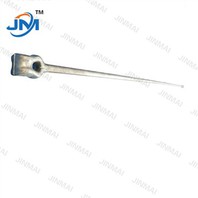
As a supplier of Bolt Wire Clamps, I often get asked about the environmental impacts associated with these products. It's a valid concern, and one that I take seriously. In this blog post, I'll dive into the topic and share my insights on whether Bolt Wire Clamps have any environmental implications.
Let's start by understanding what Bolt Wire Clamps are. These are essential components in the electrical and construction industries. They're used to secure wires, cables, and other components in place, ensuring that everything stays put and functions as it should. They come in various sizes and materials, each designed for specific applications.
One of the primary materials used in Bolt Wire Clamps is metal, typically steel or aluminum. The production of these metals can have significant environmental impacts. Steel production, for example, is energy - intensive and releases large amounts of greenhouse gases. According to the World Steel Association, the steel industry accounts for around 7 - 9% of direct emissions from the global use of fossil fuels. Aluminum production also has its share of environmental challenges. It requires a vast amount of electricity, and the extraction of bauxite, the primary ore for aluminum, can lead to deforestation and soil degradation.
However, it's not all doom and gloom. Many of the metal products, including Bolt Wire Clamps, are made from recycled materials. Recycling metals like steel and aluminum significantly reduces the environmental footprint associated with their production. Recycling steel uses up to 75% less energy than producing new steel from iron ore, and recycling aluminum saves about 95% of the energy needed to make new aluminum from bauxite. As a supplier, I make sure to source materials from suppliers who prioritize recycling and sustainable production methods.
Another aspect to consider is the coating on Bolt Wire Clamps. Many of our clamps are coated to prevent corrosion and extend their lifespan. One common coating method is hot - dipped galvanizing. Hot Dipped Galvanized U Bolts are a great example of products that use this coating. Hot - dipped galvanizing involves immersing the metal in a bath of molten zinc. While this process does have some environmental impacts, such as the energy required to heat the zinc and the potential for zinc runoff, modern galvanizing facilities have implemented strict environmental controls to minimize these effects.
The long - term durability of Bolt Wire Clamps also has environmental benefits. A well - made clamp can last for decades, reducing the need for frequent replacements. This means less waste going to landfills and fewer resources being used to manufacture new products. When a clamp is designed to withstand harsh environmental conditions, it can continue to perform its function without failing prematurely, which is not only good for the environment but also for the end - user's wallet.
Now, let's talk about the installation and use of Bolt Wire Clamps. During installation, there's usually minimal environmental impact. However, proper installation is crucial to ensure the clamp functions correctly and has a long lifespan. If a clamp is not installed correctly, it may need to be replaced sooner, leading to more waste.
In the electrical industry, Bolt Wire Clamps are often used in conjunction with other products like FTTH Fitting Splint Wire Hook and Electric Pole Cross Arm. These products together form a reliable electrical infrastructure. When these components are designed and installed with environmental considerations in mind, they can contribute to a more sustainable electrical grid. For example, using high - quality clamps and fittings can reduce power losses, which in turn reduces the overall energy consumption of the grid.


As a supplier, I'm committed to minimizing the environmental impact of our Bolt Wire Clamps. We work closely with our manufacturers to ensure that they follow strict environmental standards. We also provide our customers with information on how to properly install and maintain our products to maximize their lifespan.
When it comes to the end - of - life of Bolt Wire Clamps, they are highly recyclable. Once a clamp has reached the end of its useful life, it can be collected and sent to a recycling facility. The metal can then be melted down and used to make new products, closing the loop on the material lifecycle.
In conclusion, while there are some environmental impacts associated with Bolt Wire Clamps, especially during the production phase, there are also many ways to mitigate these effects. Through the use of recycled materials, proper coating techniques, and long - term durability, we can minimize the environmental footprint of these essential products.
If you're in the market for high - quality Bolt Wire Clamps or other related electrical fittings, I encourage you to reach out. We're here to provide you with products that not only meet your technical requirements but also align with your environmental values. Let's work together to build a more sustainable future, one clamp at a time.
References
- World Steel Association. (2023). Steel and Climate Change.
- Aluminum Association. (2023). The Environmental Benefits of Aluminum Recycling.