When it comes to the world of construction, machinery, and countless other industries, bolts are the unsung heroes that hold everything together. As a trusted bolts supplier, I've witnessed firsthand the crucial role these small yet mighty fasteners play in ensuring the stability and safety of various structures and equipment. However, the safe use of bolts is not something to be taken lightly. In this blog post, I'll share some essential safety precautions to keep in mind when using bolts, drawing on my experience in the industry.
1. Select the Right Bolt for the Job
One of the most fundamental safety precautions is choosing the appropriate bolt for the specific application. Different types of bolts are designed to handle varying levels of stress, load, and environmental conditions. For instance, High Strength Fully Threaded Bolts are ideal for applications that require high tensile strength and where a full thread engagement is necessary. On the other hand, Hexagon Bolts and Nuts are commonly used in general-purpose applications due to their versatility and ease of installation.
Before selecting a bolt, consider the following factors:
- Load Requirements: Determine the amount of weight or force the bolt will need to support. This includes both static loads (such as the weight of a structure) and dynamic loads (such as vibrations or impacts).
- Environmental Conditions: Take into account the environment in which the bolt will be used. Factors such as temperature, humidity, corrosion, and chemical exposure can all affect the performance and lifespan of the bolt. For example, in corrosive environments, stainless steel or galvanized bolts may be required to prevent rust and degradation.
- Material Compatibility: Ensure that the bolt material is compatible with the materials it will be joining. Different metals can react with each other, leading to galvanic corrosion. For example, using a steel bolt with an aluminum component can cause corrosion if proper precautions are not taken.
2. Inspect Bolts Before Use
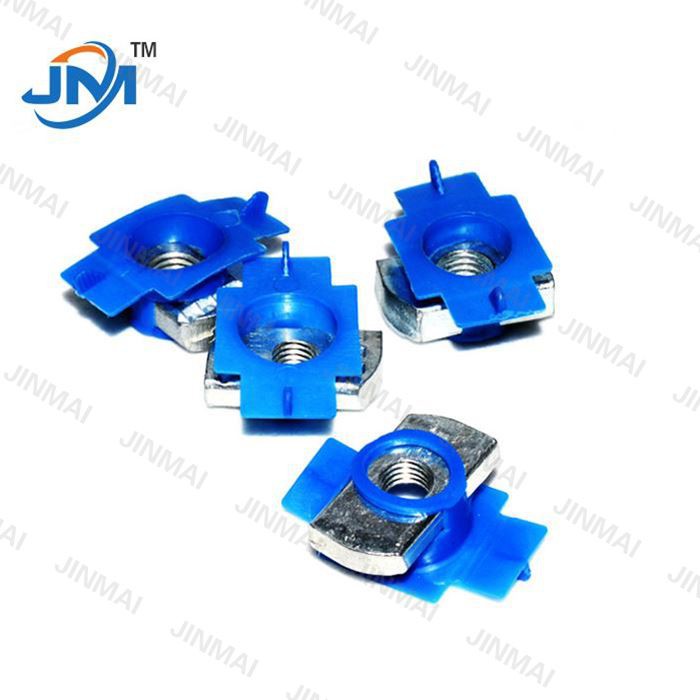
Before installing any bolt, it's essential to conduct a thorough inspection to ensure its quality and integrity. Look for any signs of damage, such as cracks, burrs, or corrosion. A damaged bolt may not be able to withstand the required load, increasing the risk of failure.

Here are some key points to check during the inspection:
- Thread Condition: Examine the threads for any signs of wear, damage, or deformation. The threads should be clean, smooth, and free of debris. If the threads are damaged, the bolt may not engage properly with the nut or the mating surface, leading to a loose connection.
- Head and Shank: Inspect the head and shank of the bolt for any cracks, dents, or other defects. The head should be flat and perpendicular to the shank, and the shank should be straight and free of any bends or kinks.
- Finish and Coating: Check the finish and coating of the bolt to ensure they are intact and in good condition. A damaged finish or coating can expose the bolt to corrosion, reducing its strength and durability.
3. Use the Correct Installation Tools
Using the right tools for bolt installation is crucial for ensuring a proper and secure connection. Using incorrect or damaged tools can lead to over-tightening or under-tightening of the bolt, which can compromise its performance and safety.
Here are some common tools used for bolt installation:
- Wrenches: Wrenches are the most commonly used tools for tightening bolts. There are different types of wrenches available, including open-end wrenches, box-end wrenches, adjustable wrenches, and socket wrenches. Choose the appropriate wrench size and type for the bolt being installed.
- Torque Wrenches: A torque wrench is a specialized tool that allows you to apply a specific amount of torque to the bolt. This is important for ensuring that the bolt is tightened to the correct specification, which is typically specified by the manufacturer. Over-tightening a bolt can cause it to break or strip the threads, while under-tightening can result in a loose connection.
- Impact Wrenches: Impact wrenches are powerful tools that use high-speed impacts to tighten bolts quickly. They are commonly used in automotive and industrial applications. However, it's important to use an impact wrench with caution, as excessive force can damage the bolt or the surrounding components.
4. Follow the Correct Installation Procedure
Proper installation procedures are essential for ensuring the safe and effective use of bolts. Here are some general guidelines to follow:
- Clean the Mating Surfaces: Before installing the bolt, clean the mating surfaces of the components to be joined. Remove any dirt, grease, or debris that could prevent a proper connection.
- Apply Lubricant: In some cases, applying a lubricant to the bolt threads can help reduce friction and make it easier to tighten the bolt. However, it's important to use the correct type of lubricant and follow the manufacturer's recommendations.
- Tighten Bolts in a Specific Sequence: When installing multiple bolts, it's important to tighten them in a specific sequence to ensure even distribution of the load. This is particularly important for large or complex structures. Refer to the manufacturer's instructions or engineering specifications for the correct tightening sequence.
- Check the Tightness: After tightening the bolts, use a torque wrench or other appropriate tool to check the tightness. The bolt should be tightened to the specified torque value. If the bolt is not tightened correctly, it may need to be re-tightened or replaced.
5. Monitor and Maintain Bolts Regularly
Once the bolts are installed, it's important to monitor and maintain them regularly to ensure their continued safety and performance. Over time, bolts can loosen due to vibrations, temperature changes, or other factors. Regular inspections can help detect any signs of loosening or damage before they become a serious problem.
Here are some maintenance tips for bolts:
- Visual Inspections: Conduct regular visual inspections of the bolts to check for any signs of damage, corrosion, or loosening. Look for any cracks, rust, or movement in the bolt or the surrounding components.
- Torque Checks: Periodically check the torque of the bolts to ensure they are still tightened to the correct specification. This is particularly important for critical applications or in environments where vibrations are common.
- Re-tightening: If a bolt is found to be loose, it should be re-tightened immediately. However, it's important to use the correct torque value and follow the proper installation procedure.
- Replacement: If a bolt is damaged or corroded beyond repair, it should be replaced with a new one. Make sure to use the same type and size of bolt as the original.
6. Consider Additional Safety Measures
In some cases, additional safety measures may be necessary to enhance the performance and safety of bolts. Here are some examples:
- Locking Devices: To prevent bolts from loosening due to vibrations or other factors, locking devices such as lock washers, nylon-insert nuts, or thread-locking compounds can be used. These devices help to secure the bolt in place and reduce the risk of failure.
- Protective Covers: In environments where bolts are exposed to harsh conditions, such as extreme temperatures, chemicals, or debris, protective covers can be used to shield the bolts from damage. This can help extend the lifespan of the bolts and reduce the need for frequent replacements.
- Engineering Analysis: For complex or critical applications, it may be necessary to conduct an engineering analysis to determine the optimal bolt size, spacing, and tightening sequence. This can help ensure that the bolts are designed to withstand the required loads and provide a safe and reliable connection.
Conclusion
Using bolts safely is essential for ensuring the stability and reliability of various structures and equipment. By following these safety precautions, you can minimize the risk of bolt failure and prevent accidents and injuries. As a bolts supplier, I'm committed to providing high-quality bolts and helping my customers make informed decisions about their bolt selection and installation. If you have any questions or need assistance with your bolt requirements, please don't hesitate to contact me. I'm here to help you find the right bolts for your application and ensure their safe and effective use.
References
- "Mechanical Fasteners Handbook" by Carl H. Hamrock, Bernard J. Jacobson, and Samuel R. Schmid
- "Bolts and Nuts: Design, Specification, and Application" by John H. Bickford
- "Structural Steel Design" by Jack C. McCormac and Russell H. Gallagher