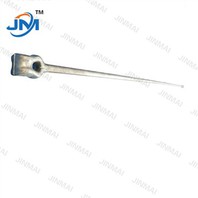
As a supplier of Parallel Groove Clamps, I often encounter questions from customers regarding the compatibility of different conductor materials. One of the most frequently asked questions is whether a parallel groove clamp can be used for copper and aluminum conductors together. In this blog post, I will delve into this topic, exploring the technical aspects, potential issues, and best practices.
Understanding Parallel Groove Clamps
Parallel groove clamps are mechanical connectors used to join electrical conductors in a parallel configuration. They are designed to provide a secure and low - resistance connection between two or more conductors. These clamps are widely used in electrical power distribution systems, including overhead and underground installations.
The basic design of a parallel groove clamp consists of two parallel grooves where the conductors are placed. Bolts or other fastening mechanisms are then tightened to apply pressure on the conductors, creating a reliable electrical connection. The clamps are typically made of materials such as aluminum alloy, which offers good electrical conductivity and corrosion resistance.
Compatibility of Copper and Aluminum Conductors
Copper and aluminum are two of the most commonly used materials for electrical conductors. Copper has excellent electrical conductivity, high tensile strength, and good corrosion resistance. Aluminum, on the other hand, is lighter and less expensive than copper, making it a popular choice for large - scale power transmission and distribution.
However, when it comes to connecting copper and aluminum conductors together, there are some challenges. The main issue is the potential for galvanic corrosion. Galvanic corrosion occurs when two dissimilar metals are in contact with each other in the presence of an electrolyte (such as moisture in the air). In this case, aluminum is more anodic than copper, which means it will corrode preferentially.


Using Parallel Groove Clamps for Copper and Aluminum Conductors
The answer to whether a parallel groove clamp can be used for copper and aluminum conductors together is yes, but with certain precautions.
1. Surface Treatment
To prevent galvanic corrosion, it is essential to treat the surfaces of the conductors and the clamp properly. One common method is to use an anti - oxidation compound or a conductive grease. These substances act as a barrier between the copper and aluminum, reducing the likelihood of direct contact and minimizing the risk of corrosion.
2. Design Considerations
Some parallel groove clamps are specifically designed to accommodate both copper and aluminum conductors. These clamps may have features such as separate compartments or different contact materials to ensure a reliable connection. For example, the clamp may have a layer of a transition metal or a special coating that is compatible with both copper and aluminum.
3. Installation Best Practices
Proper installation is crucial when using parallel groove clamps for copper and aluminum conductors. The conductors should be clean and free of any dirt, oxide, or other contaminants. The bolts or fasteners should be tightened to the recommended torque to ensure a secure and low - resistance connection.
Benefits of Using Parallel Groove Clamps for Mixed Conductors
Despite the challenges, there are several benefits to using parallel groove clamps for copper and aluminum conductors together:
1. Cost - Effectiveness
By using a combination of copper and aluminum conductors, it is possible to reduce the overall cost of the electrical installation. Aluminum can be used for the bulk of the conductor runs, while copper can be used in areas where higher conductivity or better mechanical properties are required.
2. Flexibility
Parallel groove clamps provide a flexible solution for connecting different types of conductors. This flexibility allows for easier system upgrades and modifications in the future.
Related Products and Their Roles
In addition to parallel groove clamps, there are other electrical accessories that can be used in conjunction with them when dealing with copper and aluminum conductors. For example, Hot Dip Galvanized Accessory can be used to enhance the corrosion resistance of the overall electrical connection. These accessories are coated with a layer of zinc through the hot - dip galvanizing process, which provides excellent protection against rust and corrosion.
Stainless Steel Clevis Pin is another important component. Stainless steel is highly resistant to corrosion, and clevis pins are used to secure different parts of the electrical installation, ensuring the stability and reliability of the connection.
Steel Hot Dip Galvanized Ground Stay Rod is also a valuable accessory. It helps to provide a solid grounding connection, which is essential for the safety and proper functioning of the electrical system.
Quality Assurance
As a supplier of parallel groove clamps, we understand the importance of quality. Our clamps are manufactured using high - quality materials and advanced production techniques. We conduct rigorous quality control tests to ensure that our products meet or exceed industry standards.
We also offer technical support to our customers. Our team of experts can provide guidance on the selection, installation, and maintenance of parallel groove clamps for copper and aluminum conductors. Whether you are a small - scale electrical contractor or a large - scale power utility, we are committed to providing you with the best solutions.
Contact Us for Procurement
If you are interested in purchasing parallel groove clamps or have any questions about using them for copper and aluminum conductors, please feel free to contact us. We are always ready to discuss your specific requirements and provide you with a customized solution. Our goal is to help you achieve a reliable and cost - effective electrical connection.
References
- "Electrical Power Distribution Handbook" by Turan Gonen
- "Handbook of Electrical Engineering" by John J. Cathey
- Industry standards such as IEEE and IEC for electrical connectors and conductors