Can an Insulated Wedge Clamp be used in a marine environment?
As a supplier of Insulated Wedge Clamps, I often receive inquiries from customers about the suitability of our products in various environments, especially the challenging marine environment. In this blog post, I will delve into the factors that determine whether an Insulated Wedge Clamp can be used in a marine setting, exploring the technical aspects, potential challenges, and solutions.
Understanding the Marine Environment
The marine environment is characterized by a unique set of conditions that can pose significant challenges to electrical equipment. High humidity, saltwater exposure, and strong winds are just a few of the factors that can affect the performance and durability of electrical components. Saltwater, in particular, is highly corrosive and can cause rapid degradation of metals and other materials. Additionally, the constant exposure to moisture can lead to electrical insulation breakdown, increasing the risk of short circuits and electrical failures.
Technical Specifications of Insulated Wedge Clamps
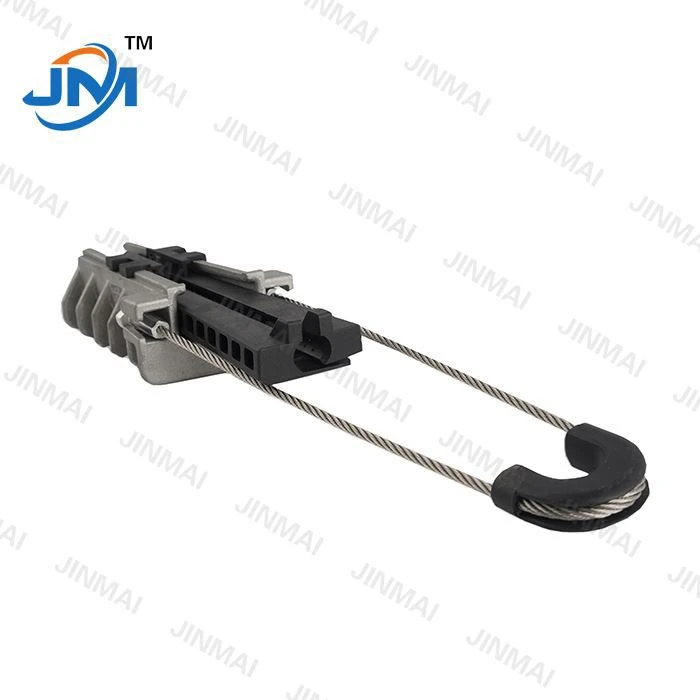
Insulated Wedge Clamps are designed to provide a secure and reliable connection between electrical conductors. They typically consist of a wedge-shaped body made of insulating material, such as plastic or rubber, and a metal clamping mechanism. The insulating material helps to prevent electrical leakage and provides protection against environmental factors.
When considering the use of an Insulated Wedge Clamp in a marine environment, it is essential to examine its technical specifications. Look for clamps that are specifically designed for outdoor use and have a high degree of resistance to moisture and corrosion. The insulating material should have a high dielectric strength to ensure reliable electrical insulation, even in wet conditions. Additionally, the metal components should be made of corrosion-resistant materials, such as stainless steel or aluminum, to prevent rust and degradation.

Challenges of Using Insulated Wedge Clamps in a Marine Environment
While Insulated Wedge Clamps can be designed to withstand harsh environments, there are still several challenges associated with using them in a marine setting. One of the primary concerns is the corrosion of metal components. Saltwater can cause rapid oxidation of metals, leading to the formation of rust and other corrosion products. This can weaken the clamping mechanism and reduce the effectiveness of the clamp over time.
Another challenge is the effect of moisture on the insulating material. Prolonged exposure to high humidity and saltwater can cause the insulating material to absorb moisture, which can reduce its dielectric strength and increase the risk of electrical leakage. Additionally, the constant expansion and contraction of the insulating material due to temperature changes can cause cracks and other damage, further compromising its performance.
Solutions to Overcome Challenges
To overcome the challenges of using Insulated Wedge Clamps in a marine environment, several solutions can be implemented. One approach is to use clamps that are specifically designed for marine applications. These clamps are typically made of high-quality materials that are resistant to corrosion and moisture. They may also feature additional protective coatings or seals to prevent saltwater and moisture from entering the clamp.
Another solution is to perform regular maintenance and inspections of the clamps. This includes cleaning the clamps to remove salt deposits and other contaminants, checking for signs of corrosion or damage, and replacing any worn or damaged components. Additionally, it is important to ensure that the clamps are properly installed and tightened to prevent loosening or movement, which can increase the risk of electrical failure.
Case Studies and Real-World Examples
To illustrate the feasibility of using Insulated Wedge Clamps in a marine environment, let's look at some real-world examples. In a recent project, a marine research facility needed to install electrical connections on a floating platform. The facility chose to use our Insulated Wedge Clamps, which were specifically designed for outdoor and marine applications. The clamps were installed on the platform's electrical conductors and have been in operation for several years without any issues. The high-quality materials and design of the clamps have ensured reliable performance, even in the harsh marine environment.
Other Considerations
In addition to the technical aspects, there are several other considerations when using Insulated Wedge Clamps in a marine environment. One important factor is compliance with relevant standards and regulations. Make sure that the clamps meet the requirements of international standards, such as IEC or IEEE, as well as any local regulations governing electrical installations in marine environments.
Another consideration is the availability of spare parts and technical support. In the event of a problem or failure, it is important to have access to replacement parts and knowledgeable technical support to ensure a quick and efficient resolution. As a supplier, we offer a comprehensive range of spare parts and technical support services to our customers, ensuring that they can keep their electrical systems running smoothly.
Conclusion
In conclusion, while there are challenges associated with using Insulated Wedge Clamps in a marine environment, it is possible to overcome these challenges with the right approach. By choosing clamps that are specifically designed for marine applications, performing regular maintenance and inspections, and ensuring compliance with relevant standards and regulations, you can ensure reliable and safe electrical connections in a marine setting.
If you are interested in learning more about our Insulated Wedge Clamps or other electrical hardware products, please visit our website at Insulated Wedge Clamp. We also offer a wide range of other products, such as High Voltage Line Insulator and Pole Line Hardware Forged Thimble Eye. Our team of experts is always available to answer your questions and provide you with the information you need to make an informed decision. Contact us today to discuss your specific requirements and explore how our products can meet your needs in a marine environment.
References
- International Electrotechnical Commission (IEC) standards
- Institute of Electrical and Electronics Engineers (IEEE) standards
- Manufacturer's technical documentation for Insulated Wedge Clamps