Forged eye bolts are a critical component in numerous industries, from construction to marine applications. One of the most pressing questions regarding these essential fasteners is their resistance to corrosion. As a supplier of forged eye bolts, I've witnessed firsthand the importance of this characteristic and the impact it has on the performance and longevity of the products. In this blog, we'll delve into the science behind corrosion resistance in forged eye bolts, exploring the factors that influence it and the measures we take to ensure our products meet the highest standards.
Understanding Corrosion
Corrosion is a natural process that occurs when metals react with their environment, typically oxygen and moisture. This reaction leads to the formation of metal oxides, which can weaken the structure of the metal and compromise its integrity. In the case of forged eye bolts, corrosion can lead to a loss of strength, reduced load - bearing capacity, and ultimately, failure of the bolt.
There are several types of corrosion that can affect forged eye bolts, including uniform corrosion, pitting corrosion, and galvanic corrosion. Uniform corrosion occurs when the entire surface of the bolt is corroded at a relatively even rate. Pitting corrosion, on the other hand, is characterized by the formation of small holes or pits on the surface of the metal. Galvanic corrosion happens when two different metals are in contact in the presence of an electrolyte, and one metal corrodes preferentially.
Factors Affecting Corrosion Resistance
The corrosion resistance of forged eye bolts is influenced by several factors, including the material used, the manufacturing process, and the environment in which the bolts are used.
Material Selection
The choice of material is crucial in determining the corrosion resistance of forged eye bolts. Common materials used for forging eye bolts include carbon steel, stainless steel, and alloy steel.
Carbon steel is a widely used material due to its affordability and high strength. However, it is prone to corrosion, especially in environments with high humidity or exposure to chemicals. Stainless steel, on the other hand, contains chromium, which forms a passive oxide layer on the surface of the metal. This layer acts as a barrier, preventing further oxidation and providing excellent corrosion resistance. Alloy steel can also offer improved corrosion resistance, depending on the specific alloying elements added.
Manufacturing Process
The forging process plays a significant role in the corrosion resistance of eye bolts. Forging involves shaping the metal by applying compressive forces, which can improve the density and grain structure of the material. A well - forged eye bolt has a more uniform structure, which can enhance its resistance to corrosion. Additionally, the surface finish of the bolt can also affect its corrosion resistance. A smooth surface finish reduces the area available for corrosion to start and can make it easier to clean and maintain the bolt.
Environmental Conditions
The environment in which the forged eye bolts are used has a direct impact on their corrosion resistance. In marine environments, for example, the high salt content in the air and water can accelerate the corrosion process. Similarly, industrial environments with exposure to chemicals or pollutants can also increase the risk of corrosion. On the other hand, in dry, indoor environments, the risk of corrosion is significantly lower.
Our Approach to Ensuring Corrosion Resistance
As a supplier of forged eye bolts, we take several steps to ensure that our products offer excellent corrosion resistance.
Material Quality
We source high - quality materials from reputable suppliers. For stainless steel eye bolts, we use grades with a high chromium content to ensure maximum corrosion resistance. For carbon steel eye bolts, we often apply protective coatings to enhance their durability.

Surface Treatments
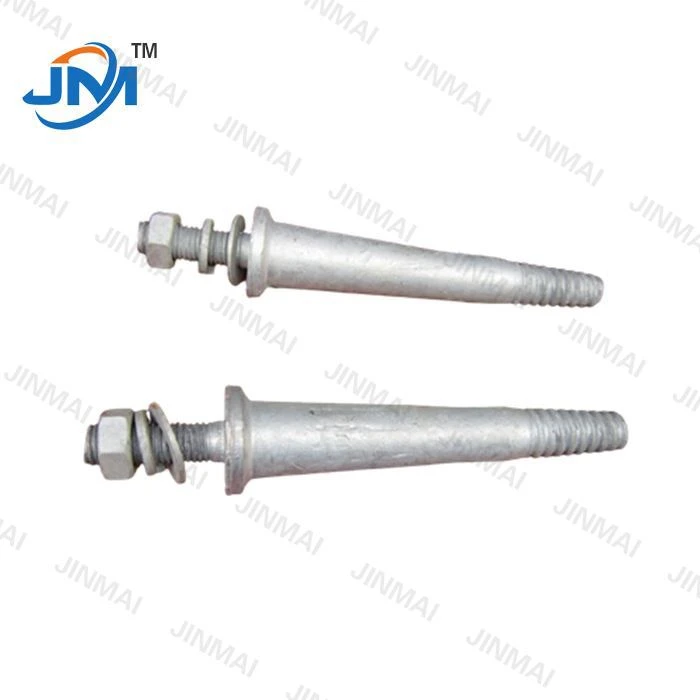
One of the most common surface treatments we use is hot - dip galvanizing. Hot - dip galvanizing involves immersing the forged eye bolts in a bath of molten zinc. The zinc forms a protective layer on the surface of the bolt, which acts as a sacrificial anode. In the event of corrosion, the zinc will corrode instead of the underlying steel, providing long - term protection.
We also offer other surface treatments, such as powder coating and electroplating, depending on the specific requirements of our customers. These treatments can provide additional protection against corrosion and can also improve the aesthetic appearance of the bolts.
Quality Control
We have a rigorous quality control process in place to ensure that all our forged eye bolts meet the highest standards of corrosion resistance. Our quality control team conducts regular inspections and tests, including salt spray tests, to evaluate the performance of our products in corrosive environments.
Applications and Related Products
Forged eye bolts are used in a wide range of applications, and their corrosion resistance is particularly important in certain industries.
In the construction industry, forged eye bolts are used for lifting and securing heavy loads. In outdoor construction projects, the bolts are exposed to the elements, so corrosion resistance is essential to ensure the safety and longevity of the structure. For example, Cross Arm Connector and Electric Pole Fittings often require forged eye bolts with high corrosion resistance to withstand long - term exposure to the environment.
In the marine industry, forged eye bolts are used for mooring, rigging, and other applications. The harsh marine environment, with its high salt content and constant exposure to water, demands eye bolts that can resist corrosion effectively. Cable Hook is another product in this industry that often relies on the use of corrosion - resistant forged eye bolts.
Conclusion
In conclusion, the corrosion resistance of forged eye bolts is a critical factor that determines their performance and longevity. By carefully selecting materials, using appropriate manufacturing processes, and applying effective surface treatments, we can ensure that our forged eye bolts offer excellent resistance to corrosion in a variety of environments.
If you are in need of high - quality forged eye bolts with superior corrosion resistance, we are here to help. Whether you are in the construction, marine, or any other industry, our team of experts can provide you with the right products and solutions to meet your specific requirements. Please feel free to contact us to discuss your procurement needs and start a fruitful business partnership.
References
- Fontana, M. G. (1986). Corrosion Engineering. McGraw - Hill.
- Uhlig, H. H., & Revie, R. W. (1985). Corrosion and Corrosion Control. Wiley - Interscience.
- ASM Handbook Committee. (1996). ASM Handbook, Volume 13A: Corrosion: Fundamentals, Testing, and Protection. ASM International.