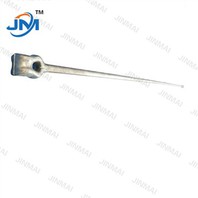
Are insulator spindles easy to install?
As a supplier of insulator spindles, I've received numerous inquiries regarding the installation process of these essential electrical components. The ease of installing insulator spindles is a topic of significant interest to our customers, ranging from electrical contractors to utility companies. In this blog post, I'll delve into the factors that determine the simplicity or complexity of insulator spindle installation, providing insights based on our experience in the industry.
Understanding Insulator Spindles
Insulator spindles play a crucial role in electrical systems, primarily serving to support and insulate electrical conductors. They are designed to prevent the flow of current to the supporting structure, ensuring the safety and efficiency of the electrical network. There are various types of insulator spindles available, each tailored to specific applications and voltage requirements. For instance, the Voltage Insulator Spindle is engineered to handle high - voltage applications, while Cross - arm Insulator Pins are commonly used to secure conductors on cross - arms in overhead power lines. The Pin Insulator Spindle is another popular type, often employed in low - to medium - voltage distribution systems.
Factors Affecting Installation Ease
Design and Compatibility
One of the key factors influencing the ease of installation is the design of the insulator spindle itself. Well - designed insulator spindles are engineered with installation in mind. They typically feature standardized dimensions and connection points, which makes them compatible with a wide range of electrical equipment and structures. For example, if an insulator spindle is designed to fit precisely into a pre - drilled hole on a cross - arm, the installation process becomes straightforward. The installer simply needs to align the spindle correctly and secure it using the appropriate fasteners.
On the other hand, if the design is non - standard or lacks clear installation instructions, it can lead to difficulties. In some cases, custom - designed insulator spindles may require additional fabrication or modification on - site, which can be time - consuming and increase the risk of errors.
Installation Environment
The environment in which the insulator spindles are to be installed also plays a significant role. Installations in urban areas may face challenges such as limited space, traffic restrictions, and the presence of other utility lines. In contrast, rural installations may be affected by harsh weather conditions, difficult terrain, and limited access to equipment and resources.
For example, installing insulator spindles on a transmission tower located on a mountainous terrain can be extremely challenging. The installer may need to use specialized equipment such as cranes or helicopters to reach the installation site. Additionally, adverse weather conditions like high winds, rain, or snow can further complicate the installation process, as they can affect the stability of the equipment and the safety of the installer.
Skill and Experience of the Installer
The skill and experience of the installer are perhaps the most critical factors in determining the ease of installation. A trained and experienced electrical installer is more likely to complete the installation quickly and accurately. They are familiar with the proper installation techniques, safety procedures, and the tools required for the job.
For instance, an experienced installer will know how to properly torque the fasteners to ensure a secure connection without over - tightening, which could damage the insulator spindle. They will also be able to troubleshoot any issues that may arise during the installation process, such as misaligned components or damaged parts.
The Installation Process
The general installation process of insulator spindles typically involves the following steps:
- Site Preparation: This includes inspecting the installation site for any potential hazards, ensuring that the supporting structure is in good condition, and marking the location where the insulator spindle will be installed.
- Component Inspection: Before installation, the installer should carefully inspect the insulator spindle for any damage or defects. This includes checking the surface for cracks, chips, or other signs of wear and tear.
- Installation: The insulator spindle is then installed on the supporting structure. This may involve inserting the spindle into a pre - drilled hole, using bolts or other fasteners to secure it in place, and connecting the electrical conductor to the spindle.
- Testing: After installation, the electrical system should be tested to ensure that the insulator spindle is functioning properly. This may include performing insulation resistance tests, voltage tests, and other electrical tests.
Making Installation Easier
At our company, we are committed to making the installation of our insulator spindles as easy as possible. We invest in research and development to improve the design of our products, ensuring that they are user - friendly and compatible with a wide range of applications. We also provide detailed installation instructions and technical support to our customers, which helps to minimize the installation time and reduce the risk of errors.
In addition, we offer training programs for our customers' installers. These programs cover the proper installation techniques, safety procedures, and troubleshooting methods for our insulator spindles. By providing our customers with the knowledge and skills they need, we help them to complete the installation process more efficiently and safely.


Conclusion
In conclusion, the ease of installing insulator spindles depends on a variety of factors, including the design of the product, the installation environment, and the skill and experience of the installer. While some installations may be relatively straightforward, others can be challenging due to various factors.
As a leading supplier of insulator spindles, we understand the importance of providing our customers with high - quality products that are easy to install. We are constantly working to improve our products and services to meet the evolving needs of our customers.
If you are interested in purchasing insulator spindles or have any questions about their installation, please do not hesitate to contact us. Our team of experts is ready to assist you with your procurement needs and provide you with the support you need to ensure a successful installation.
References
- Electrical Insulation Handbook, McGraw - Hill
- Standards for Insulator Spindles, International Electrotechnical Commission (IEC)