Are there any environmental impacts of cable components?
As a supplier of cable components, I've been deeply involved in this industry for quite some time. In this blog, I'll delve into the environmental impacts of cable components, exploring both the challenges and potential solutions.
Raw Material Extraction
The production of cable components starts with the extraction of raw materials. Metals such as copper, aluminum, and steel are commonly used in cable manufacturing. Copper, for example, is highly valued for its excellent electrical conductivity. However, copper mining has significant environmental implications. Large - scale copper mines often lead to deforestation, as vast areas of land are cleared to make way for mining operations. This deforestation disrupts ecosystems, destroys habitats for countless plant and animal species, and can contribute to soil erosion.
In addition, the extraction process itself consumes a large amount of water and energy. The water used in mining is often contaminated with heavy metals and other pollutants, which can then seep into nearby water sources, affecting water quality for both humans and wildlife. For instance, acid mine drainage is a common problem in many mining areas. It occurs when sulfide minerals in the ore react with air and water, producing sulfuric acid. This acid can lower the pH of water bodies, making them inhospitable for aquatic life.
Steel production, another crucial part of cable component manufacturing, also has a high environmental footprint. The basic oxygen furnace method, which is widely used to produce steel, emits large amounts of carbon dioxide. Carbon dioxide is a major greenhouse gas that contributes to global warming. As a cable component supplier, we are constantly looking for ways to source materials from more sustainable mines and steel producers. For example, some mines are implementing reforestation programs to mitigate the effects of deforestation, and there are steel mills that are adopting more energy - efficient production methods.
Manufacturing Processes
The manufacturing of cable components involves several energy - intensive processes. For example, the extrusion process, which is used to coat cables with insulating materials, requires high temperatures. This high - temperature operation consumes a significant amount of electricity, most of which is generated from fossil fuels in many regions. Fossil fuel - based electricity generation releases large amounts of greenhouse gases into the atmosphere, contributing to climate change.
Moreover, the use of chemicals in the manufacturing process can also have negative environmental impacts. Some insulating materials contain halogenated compounds, which are known to be persistent organic pollutants. When these materials are disposed of in landfills or incinerated, they can release toxic substances into the environment. For example, polyvinyl chloride (PVC), a commonly used insulating material, can release dioxins when burned. Dioxins are highly toxic and can accumulate in the food chain, posing a threat to human health and the environment.
As a supplier, we are aware of these issues and are actively seeking alternatives. For instance, we are exploring the use of bio - based insulating materials that are more environmentally friendly. These bio - based materials are derived from renewable resources and have a lower carbon footprint compared to traditional materials.
Product Use and End - of - Life
During the use phase, cable components can have indirect environmental impacts. For example, inefficient cable components can lead to energy losses in power transmission and distribution systems. These energy losses mean that more power needs to be generated, which in turn increases the demand for fossil fuels and the associated greenhouse gas emissions.
When cable components reach the end of their life, proper disposal is crucial. Many cable components contain valuable metals that can be recycled. Recycling not only reduces the need for new raw material extraction but also saves energy. For example, recycling copper requires only a fraction of the energy needed to mine and refine new copper. However, improper disposal of cable components can lead to environmental pollution. If cables are dumped in landfills, the metals and chemicals they contain can leach into the soil and groundwater over time.
We encourage our customers to recycle cable components at the end of their life. We also offer take - back programs in some regions to ensure that the components are properly recycled.
Case Studies of Our Cable Components
Let's take a look at some of our specific cable components and their environmental considerations.
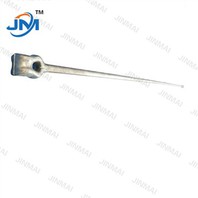
The Pig tail ball head is a small but important component. It is usually made of metal, and as mentioned earlier, the extraction and processing of the metal have environmental impacts. However, we are working on improving the manufacturing process of this component to reduce energy consumption. We are also exploring the use of recycled metals in its production to minimize the need for new raw material extraction.
The Hardware Pole Line Hook is another key component. It is often used in outdoor power distribution systems. To reduce its environmental impact, we are looking into surface treatment methods that use less toxic chemicals. Traditional surface treatments may involve the use of heavy metals and other harmful substances, but we are researching more eco - friendly alternatives.
The Pigtail Hook Bolts are used in various cable installations. We are focusing on improving the design of these bolts to make them more energy - efficient during use. For example, by reducing the resistance in the connection points, we can minimize energy losses in the cable system.
Solutions and Future Outlook
To address the environmental impacts of cable components, we are taking several steps. Firstly, we are collaborating with our suppliers to ensure that the raw materials we source are from sustainable sources. This includes working with mines that have good environmental management practices and steel producers that are committed to reducing their carbon emissions.


Secondly, we are investing in research and development to find more environmentally friendly manufacturing processes. This includes the use of renewable energy sources in our factories and the development of new materials that are less harmful to the environment.
In the future, we believe that the cable component industry will continue to evolve towards more sustainability. With the increasing awareness of environmental issues, customers are also becoming more demanding in terms of the environmental performance of products. We are committed to meeting these demands and leading the way in sustainable cable component production.
If you are interested in our cable components and want to learn more about our sustainable practices, or if you have any specific requirements for your cable component needs, please feel free to contact us for a procurement discussion. We are eager to work with you to find the best solutions for your projects while minimizing the environmental impact.
References
- "Environmental Impacts of Mining" - United Nations Environment Programme
- "Sustainable Manufacturing in the Cable Industry" - International Cable Manufacturers Association
- "Recycling of Cable Components: A Review" - Journal of Environmental Management