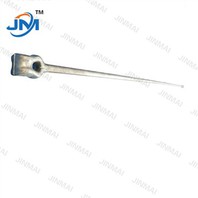
Are there any standards for insulator spindles?
As a supplier of insulator spindles, I often get asked about the standards governing these crucial electrical components. Insulator spindles play a vital role in electrical power systems, ensuring the safe and efficient transmission of electricity. In this blog post, I will delve into the standards that apply to insulator spindles and why they are so important.
The Importance of Standards in the Electrical Industry
Standards in the electrical industry are not just bureaucratic red - tape; they are the backbone of a safe and reliable electrical infrastructure. Electrical systems are complex, and a failure in any component, including insulator spindles, can lead to power outages, equipment damage, and even endanger human lives. Standards provide a set of rules and guidelines that manufacturers must follow to ensure the quality, performance, and safety of their products.
International and National Standards for Insulator Spindles
There are both international and national standards that apply to insulator spindles. On an international level, the International Electrotechnical Commission (IEC) plays a leading role. The IEC has developed a series of standards that cover various aspects of electrical insulators, including insulator spindles. These standards specify requirements for materials, design, testing, and performance.
For example, IEC standards define the mechanical and electrical properties that insulator spindles must possess. Mechanically, they need to withstand certain levels of tension, compression, and bending forces without breaking or deforming. Electrically, they must have a high dielectric strength to prevent electrical breakdown and leakage currents.

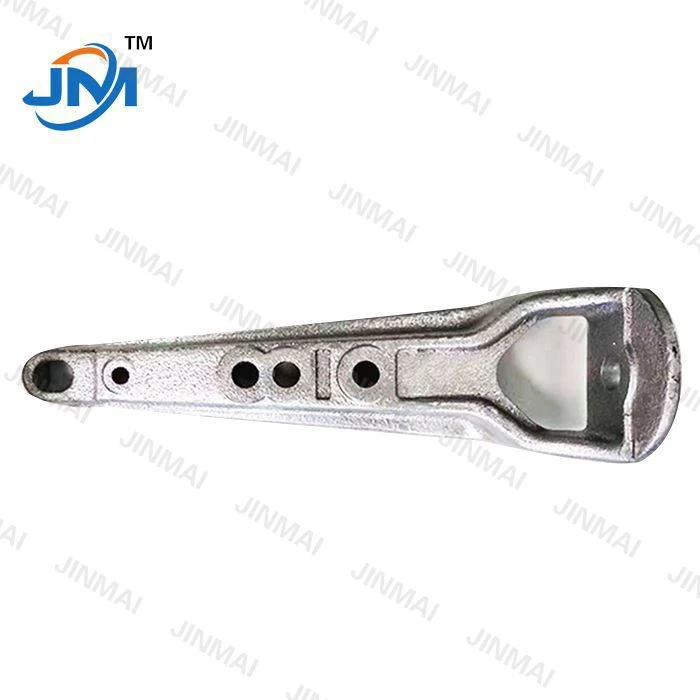
At the national level, different countries may have their own standards or adopt the IEC standards with some local modifications. For instance, in the United States, the American National Standards Institute (ANSI) and the Institute of Electrical and Electronics Engineers (IEEE) have developed standards that are widely used in the electrical industry. These standards are often in line with the IEC standards but may have specific requirements based on the local electrical grid infrastructure and operating conditions.
Specific Standards for Different Types of Insulator Spindles
There are various types of insulator spindles, each with its own set of standards. Let's take a look at some common types:
-
Pole Top Pins Spindle
The Pole Top Pins Spindle is used at the top of utility poles to support overhead power lines. Standards for these spindles focus on their ability to withstand environmental factors such as wind, ice, and temperature variations. They also need to have a proper thread design for easy installation and secure attachment to the pole. -
Pin Insulator Spindle
Pin Insulator Spindles are commonly used in low - to medium - voltage distribution systems. The standards for pin insulator spindles emphasize their electrical insulation properties and mechanical stability. They must be able to support the weight of the insulator and the electrical conductor without any significant movement or vibration. -
POLE TOP
The POLE TOP insulator spindles are designed for specific applications at the top of poles. These spindles need to comply with standards related to their mounting arrangement, electrical clearances, and resistance to weathering.
Material Standards
The materials used in insulator spindles are also subject to strict standards. Common materials include steel, galvanized steel, and sometimes composite materials. Steel spindles must have a certain grade of steel with defined chemical composition and mechanical properties. Galvanized steel spindles need to have a proper zinc coating thickness to prevent corrosion.
Composite materials, on the other hand, are becoming more popular due to their lightweight and high - strength properties. Standards for composite insulator spindles define the resin matrix, fiber reinforcement, and manufacturing processes to ensure consistent quality and performance.
Testing Standards
To ensure that insulator spindles meet the standards, they must undergo a series of tests. These tests include mechanical tests such as tensile strength tests, bending tests, and torsion tests. Electrical tests are also conducted to measure the dielectric strength, insulation resistance, and power factor of the spindles.
Environmental tests are equally important. Insulator spindles are exposed to harsh weather conditions, so they need to be tested for resistance to UV radiation, moisture, and temperature cycling. Salt fog tests are often used to simulate coastal environments and check the corrosion resistance of the spindles.
Why Compliance with Standards Matters for Suppliers
As a supplier of insulator spindles, compliance with standards is not just a legal requirement; it is essential for our business. Customers, especially large utility companies and electrical contractors, demand products that meet the highest standards. By providing compliant products, we can build trust with our customers and ensure long - term business relationships.
Compliance with standards also helps us to improve our manufacturing processes. When we follow the standards, we can identify areas for improvement in terms of quality control, material selection, and production efficiency. This, in turn, allows us to offer better - quality products at competitive prices.
How We Ensure Standard Compliance in Our Products
At our company, we have a strict quality control system in place to ensure that all our insulator spindles meet the relevant standards. We source our materials from reliable suppliers who also adhere to the standards. Our manufacturing processes are carefully monitored and documented to ensure consistency and quality.
Before shipping any product, we conduct comprehensive testing in our in - house testing laboratory. We also have our products independently tested by third - party laboratories to verify their compliance with international and national standards.
Conclusion
In conclusion, there are indeed well - defined standards for insulator spindles. These standards cover various aspects, including mechanical and electrical properties, materials, and testing procedures. As a supplier, we are committed to producing high - quality insulator spindles that comply with these standards.
If you are in the market for insulator spindles, whether it's a Pole Top Pins Spindle, Pin Insulator Spindle, or POLE TOP product, we can provide you with reliable and compliant solutions. We welcome you to contact us for any procurement inquiries or to discuss your specific requirements. Our team of experts is ready to assist you in finding the best insulator spindles for your electrical projects.
References
- International Electrotechnical Commission (IEC) standards on electrical insulators.
- American National Standards Institute (ANSI) and Institute of Electrical and Electronics Engineers (IEEE) standards related to electrical components.
- Industry publications on electrical power systems and insulation technology.