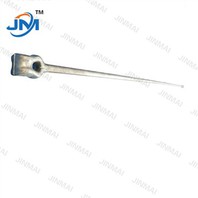
As a supplier of Galvanized Cross Arm, I've been frequently asked about the suitability of our products for rural power grids. This question is crucial as rural power grids have unique requirements, and the choice of electrical equipment can significantly impact the efficiency, safety, and longevity of the grid. In this blog post, I'll delve into the details and explain why galvanized cross arms are an excellent choice for rural power grids.
Understanding Rural Power Grids
Rural power grids are different from their urban counterparts in several ways. Firstly, the geographical spread of rural areas is much wider, which means longer power lines are required to connect different households and facilities. Secondly, rural environments are often more exposed to natural elements such as strong winds, heavy rain, snow, and extreme temperatures. These conditions can put a lot of stress on the power grid infrastructure. Additionally, rural power grids may have lower load demands compared to urban areas, but reliability is still of utmost importance to ensure that residents have access to electricity for their daily needs.
What is a Galvanized Cross Arm?
A galvanized cross arm is a crucial component in overhead power lines. It is typically made of steel and coated with a layer of zinc through a galvanization process. This zinc coating provides excellent corrosion resistance, protecting the cross arm from rust and degradation caused by exposure to moisture, oxygen, and other environmental factors. Galvanized cross arms are used to support the conductors (wires) that carry electricity and maintain the proper spacing between them to prevent short - circuits and ensure safe and efficient power transmission.
Advantages of Galvanized Cross Arms in Rural Power Grids
1. Corrosion Resistance
One of the most significant advantages of galvanized cross arms in rural power grids is their high level of corrosion resistance. As mentioned earlier, rural areas are often exposed to harsh environmental conditions. The zinc coating on the cross arm acts as a sacrificial anode, meaning it corrodes first to protect the underlying steel. This significantly extends the lifespan of the cross arm, reducing the need for frequent replacements. For example, in areas with high humidity or near bodies of water where corrosion is a major concern, a galvanized cross arm can last for decades without significant degradation.
2. Strength and Durability
Galvanized cross arms are strong and can withstand the mechanical stresses associated with supporting power lines. In rural areas, power lines may be subject to strong winds, ice loading, and even the occasional impact from falling branches or wildlife. The steel construction of the cross arm provides the necessary strength to hold the conductors in place, ensuring the stability of the power grid. This durability is essential for maintaining a reliable power supply in rural areas where access for maintenance and repairs may be more difficult.
3. Cost - Effectiveness
In the long run, galvanized cross arms are a cost - effective solution for rural power grids. While the initial cost of a galvanized cross arm may be slightly higher than some other materials, its long lifespan and low maintenance requirements result in significant savings over time. Rural power grid operators often have limited budgets, and the reduced need for frequent replacements and repairs can free up funds for other important infrastructure improvements.


4. Compatibility with Other Hardware
Galvanized cross arms are highly compatible with other Overhead Pole Line Hardware. They can be easily installed with insulators, Hot Dip Galvanized Secondary Clevis, and other components used in overhead power lines. This compatibility makes it easier to design and construct rural power grids, ensuring that all the components work together seamlessly.
Considerations for Using Galvanized Cross Arms in Rural Power Grids
1. Load Requirements
When using galvanized cross arms in rural power grids, it is essential to consider the load requirements. Different rural areas may have different power demands, and the cross arm must be able to support the weight of the conductors and any additional equipment attached to it. Proper engineering calculations should be performed to select the appropriate size and strength of the cross arm.
2. Installation and Maintenance
Although galvanized cross arms are relatively low - maintenance, proper installation and occasional inspections are still necessary. Incorrect installation can lead to premature failure of the cross arm, while regular inspections can help detect any signs of damage or corrosion early on. Rural power grid operators should ensure that their maintenance crews are trained to install and maintain galvanized cross arms correctly.
3. Environmental Regulations
In some rural areas, there may be environmental regulations regarding the use of certain materials in power grid infrastructure. Galvanized cross arms are generally considered environmentally friendly due to their long lifespan and recyclability. However, it is important to check local regulations to ensure compliance.
Case Studies
Let's look at a few case studies to illustrate the effectiveness of galvanized cross arms in rural power grids. In a rural area in the Midwest of the United States, a power grid operator replaced old wooden cross arms with galvanized cross arms. The wooden cross arms were suffering from rot and insect damage, leading to frequent outages. After the replacement, the number of outages decreased significantly, and the power grid became more reliable. The galvanized cross arms were able to withstand the harsh winter conditions, including heavy snow and ice, without any signs of damage.
In another case, a rural community in Southeast Asia installed galvanized cross arms in their power grid. The area is prone to typhoons and high humidity. The corrosion - resistant properties of the galvanized cross arms ensured that the power lines remained stable even after multiple typhoon seasons. This not only improved the reliability of the power supply but also reduced the maintenance costs for the local power grid operator.
Conclusion
In conclusion, galvanized cross arms are an excellent choice for rural power grids. Their corrosion resistance, strength, durability, cost - effectiveness, and compatibility with other hardware make them well - suited to the unique requirements of rural environments. While there are some considerations to keep in mind, such as load requirements, installation, and environmental regulations, the benefits far outweigh the potential challenges.
If you are involved in the design, construction, or maintenance of rural power grids and are considering using galvanized cross arms, I encourage you to reach out to us for more information. We have a wide range of galvanized cross arms and related products to meet your specific needs. Our team of experts can provide you with technical support and guidance to ensure that you make the right choice for your rural power grid project. Contact us today to start a conversation about your procurement needs.
References
- Electrical Transmission and Distribution Reference Book. General Electric Company.
- Handbook of Corrosion Engineering. ASM International.
- Rural Electrification: Strategies and Technologies. World Bank Publications.