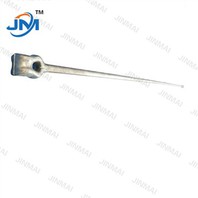
Hey there! I'm a supplier of Cable Pole Hooks, and I often get asked, "Can I export cable pole hooks?" Well, let's dig into this topic and find out all the ins and outs.
First off, let me tell you a bit about Cable Pole Hooks. These are super useful components in the cable - related industry. They're designed to securely hold cables on poles, ensuring that the cables stay in place and function properly. Whether it's for power cables, communication cables, or other types of cables, Cable Pole Hooks play a crucial role. You can check out more about them on this page: Cable Pole Hook.
Now, onto the big question of exporting. The answer is yes, you can export cable pole hooks, but there are a bunch of things you need to consider.
Regulations and Standards
One of the most important aspects of exporting cable pole hooks is dealing with regulations and standards. Different countries have their own sets of rules when it comes to importing industrial products like cable pole hooks. For example, some countries may have strict requirements regarding the material quality of the hooks. They might demand that the hooks are made of high - grade steel that can withstand certain environmental conditions, like extreme temperatures or high humidity.
You also need to make sure that your Cable Pole Hooks meet international standards. There are organizations that set these standards, and having your products certified according to those standards can make the exporting process a lot smoother. For instance, ISO standards are widely recognized around the world. If your hooks are ISO - certified, it shows that they have been tested and meet a certain level of quality.


Documentation
Documentation is another key factor. When you're exporting cable pole hooks, you'll need to prepare a whole bunch of paperwork. This includes things like a commercial invoice, which details the value of the goods being exported. You'll also need a packing list that shows what's inside each package.
A certificate of origin is also important. This document states where your Cable Pole Hooks were made. It can be crucial for things like determining tariffs and trade preferences. And don't forget about any necessary permits or licenses. Some countries may require special permits for importing industrial components, so you need to do your research and make sure you have all the right paperwork in order.
Shipping and Logistics
Shipping your Cable Pole Hooks is a big part of the exporting process. You need to choose the right shipping method. You can go for sea freight if you're shipping a large quantity of hooks. It's usually more cost - effective for bulk shipments, but it does take longer. On the other hand, air freight is much faster, but it's also more expensive.
You also need to think about packaging. Your hooks need to be packaged in a way that they won't get damaged during transit. Using sturdy boxes and proper cushioning materials is essential. And don't forget about labeling. The packages should be clearly labeled with information like the product name, quantity, and destination address.
Market Demand
Before you start exporting, it's a good idea to research the market demand in the countries you're targeting. Some regions may have a high demand for Cable Pole Hooks due to ongoing infrastructure projects. For example, if a country is expanding its power grid or building new communication networks, they'll likely need a lot of cable - related components, including our Cable Pole Hooks.
You can also look at the competition in those markets. See what other suppliers are offering and at what prices. This will help you position your products effectively. Maybe you can offer something unique, like better quality hooks at a competitive price, or additional services like installation support.
Related Products
There are also some related products that you might want to consider exporting along with your Cable Pole Hooks. For example, Pigtail Hook Bolts are often used in conjunction with cable pole hooks. They can provide additional support and flexibility in cable installation.
Another related product is the Pig tail ball head. These can be used to create a secure connection point for cables. Offering a range of related products can make your export business more attractive to customers, as they can get all the components they need from one supplier.
How to Get Started
If you're interested in exporting Cable Pole Hooks, the first step is to do your research. Find out about the regulations, market demand, and shipping options in the countries you want to target. You can also network with other exporters or industry professionals. They can share their experiences and give you some valuable tips.
Once you've done your research and are ready to start, you can start reaching out to potential customers in those markets. You can use online platforms, trade shows, or even direct marketing to promote your Cable Pole Hooks. Make sure to highlight the features and benefits of your products, like their durability, ease of installation, and compliance with standards.
Conclusion
So, to answer the question "Can I export cable pole hooks?" - yes, you definitely can. But it requires careful planning, attention to regulations, and a good understanding of the market. If you're willing to put in the effort, exporting Cable Pole Hooks can be a great business opportunity.
If you're interested in purchasing our high - quality Cable Pole Hooks or any of our related products, I'd love to have a chat with you. We can discuss your specific needs, prices, and shipping options. Just reach out, and we can start the conversation about how we can work together to meet your cable - related component requirements.
References
- General knowledge of international trade regulations and cable industry standards.
- Industry reports on market demand for cable - related components.