Can I install a cable pole hook myself?
When it comes to setting up or modifying a cable infrastructure, one common question that arises is whether it's feasible to install a cable pole hook on your own. As a supplier of cable pole hooks, I've encountered this query numerous times from both individuals and small - scale businesses. In this blog, I'll delve into the factors you need to consider before attempting a self - installation, and also touch on why it might be better to seek professional help in some cases.
Understanding the Basics of Cable Pole Hooks
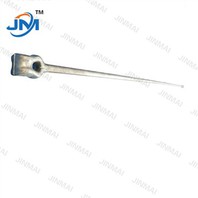
First, let's understand what a cable pole hook is. A cable pole hook is a specialized hardware component designed to support and secure cables on poles. These hooks come in various shapes and sizes, depending on the type and weight of the cables they are intended to hold. For instance, the Hardware Pole Line Hook is a robust option often used for heavier cables in industrial or utility applications. On the other hand, the Pig tail ball head is a more specialized hook, which might be used for lighter cables or in more delicate setups.
The Cable Pole Hook we supply is made from high - quality materials to ensure durability and long - term performance. It is engineered to withstand environmental factors such as wind, rain, and temperature variations, which are crucial for outdoor installations.
Factors to Consider for Self - Installation
- Technical Knowledge
- Installing a cable pole hook requires a certain level of technical know - how. You need to understand the structural integrity of the pole, the weight distribution of the cables, and the proper way to attach the hook. For example, if the pole is not in good condition, improper installation of the hook could lead to the pole's failure, endangering the cables and potentially causing safety hazards. You should be familiar with basic engineering principles such as torque and load - bearing capacity.
- Moreover, different types of cables have different requirements. Some cables are more sensitive to tension, and incorrect installation of the hook could cause damage to the cable insulation or affect its performance.
- Safety Precautions
- Safety is of utmost importance when working with cable pole hooks. You'll be working at height, which means there's a risk of falling. You need to have the appropriate safety equipment, such as a safety harness, hard hat, and non - slip shoes. Additionally, you need to be aware of any electrical hazards if the cables are live.
- Before starting the installation, it's essential to check for any underground utilities near the pole. Hitting a gas or water line during the installation process can have serious consequences.
- Tools and Equipment
- You'll need a set of specialized tools for the installation. This may include a drill, wrenches, and measuring devices. Using the wrong tools can lead to improper installation and may damage the hook or the pole. For example, if you use a drill bit that is too large or too small, it can affect the stability of the hook.
- You also need to ensure that your tools are in good working condition. Faulty tools can not only lead to a poor installation but also pose a safety risk.
Advantages of Self - Installation
- Cost - Savings
- One of the main reasons people consider self - installation is cost. Hiring a professional installer can be expensive, especially for small - scale projects. By installing the cable pole hook yourself, you can save on labor costs.
- Learning Experience
- Self - installation provides an opportunity to learn about cable infrastructure and how different components work together. It can be a valuable learning experience, especially for those interested in DIY projects or who want to gain more knowledge about the field.
Disadvantages of Self - Installation
- Lack of Expertise
- As mentioned earlier, without the proper technical knowledge, you may make mistakes during the installation. These mistakes can lead to long - term problems, such as cable damage, pole instability, or safety hazards.
- Time - Consuming
- Installing a cable pole hook can be a time - consuming process, especially if you're not familiar with the procedure. You may need to spend extra time researching, gathering tools, and troubleshooting any issues that arise during the installation.
When to Seek Professional Help
- Complex Installations
- If you're dealing with a large - scale project or a complex cable system, it's advisable to hire a professional. For example, if you need to install multiple hooks on a high - voltage power line, a professional installer will have the necessary experience and equipment to ensure a safe and proper installation.
- Legal and Regulatory Requirements
- In some areas, there are legal and regulatory requirements for cable pole installations. A professional installer will be familiar with these requirements and can ensure that the installation complies with all the relevant laws and regulations.
Conclusion
So, can you install a cable pole hook yourself? The answer depends on your technical knowledge, safety awareness, and the complexity of the installation. For simple, small - scale projects where you have the necessary skills and tools, self - installation can be a viable option. However, for more complex or large - scale projects, it's often better to seek professional help.
As a supplier of high - quality cable pole hooks, we are committed to providing our customers with the best products and support. Whether you choose to install the hook yourself or hire a professional, we can offer you the right advice and guidance. If you're interested in purchasing our Cable Pole Hook or have any questions about installation, we encourage you to reach out to us for a detailed discussion. We're here to help you make the best decision for your cable infrastructure needs.


References
- Electrical Installation Handbook, various editions
- Safety Guidelines for Working at Height, Occupational Safety and Health Administration
- Structural Engineering Principles for Utility Poles, industry - specific publications