Can Pigtail Eye Bolts Be Used in Construction Projects?
As a supplier of Pigtail Eye Bolts, I've often been asked whether these components are suitable for construction projects. In this blog post, I'll delve into the features, applications, and considerations of using pigtail eye bolts in construction to help you make an informed decision.


Understanding Pigtail Eye Bolts
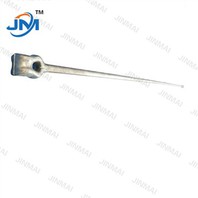
Pigtail eye bolts are specialized fasteners with a loop or "eye" at one end and a threaded shaft at the other. The pigtail design typically refers to a curved or coiled section near the eye, which can provide additional flexibility or a unique connection point. These bolts are commonly made from materials such as stainless steel, carbon steel, or alloy steel, each offering different levels of strength, corrosion resistance, and durability.
Advantages of Using Pigtail Eye Bolts in Construction
- Versatile Connection Points
Pigtail eye bolts offer versatile connection options in construction. The eye allows for the attachment of ropes, cables, chains, or other hardware, enabling the secure connection of various structural elements. For example, they can be used to connect scaffolding components, hoist equipment, or secure temporary structures. The pigtail design can also provide a convenient way to route cables or ropes around obstacles, reducing the need for additional hardware or complex installation procedures. - Load Distribution
The design of pigtail eye bolts helps to distribute loads evenly across the connection point. The eye provides a large surface area for the attachment of cables or ropes, which can help to prevent stress concentrations and reduce the risk of failure. This is particularly important in construction applications where heavy loads are involved, such as in bridge construction, high-rise building construction, or industrial facilities. - Corrosion Resistance
Many pigtail eye bolts are made from stainless steel or other corrosion-resistant materials, making them suitable for use in outdoor or harsh environments. Stainless steel bolts are resistant to rust and corrosion, which can extend their lifespan and reduce maintenance requirements. This is especially important in construction projects where the bolts may be exposed to moisture, chemicals, or other corrosive substances. - Ease of Installation
Pigtail eye bolts are relatively easy to install compared to other types of fasteners. They can be installed using standard tools, such as wrenches or sockets, and do not require specialized equipment or training. This can save time and labor costs during the construction process.
Applications of Pigtail Eye Bolts in Construction
- Scaffolding Systems
Pigtail eye bolts are commonly used in scaffolding systems to connect scaffolding tubes, planks, and other components. They provide a secure and reliable connection point for the attachment of ropes, cables, or other safety devices, such as fall arrest systems. The pigtail design can also be used to route cables or ropes around the scaffolding structure, reducing the risk of entanglement or interference. - Hoisting and Lifting Operations
In construction, hoisting and lifting operations are common activities that require the use of reliable lifting equipment. Pigtail eye bolts can be used to attach lifting slings, chains, or hooks to the load, providing a secure connection point for the hoist or crane. The eye design allows for easy attachment and detachment of the lifting equipment, making it suitable for use in a variety of lifting applications. - Structural Support
Pigtail eye bolts can be used to provide structural support in construction projects. They can be used to connect beams, columns, or other structural elements, helping to distribute loads and prevent structural failure. The pigtail design can also be used to provide a flexible connection point, allowing for some movement or adjustment of the structure without compromising its integrity. - Cable and Wire Routing
In construction projects that involve the installation of cables or wires, pigtail eye bolts can be used to route and secure the cables or wires. The pigtail design provides a convenient way to guide the cables or wires around obstacles, such as pipes, ducts, or other structural elements. The eye can also be used to attach cable ties or other fastening devices, ensuring that the cables or wires are securely held in place.
Considerations When Using Pigtail Eye Bolts in Construction
- Load Capacity
Before using pigtail eye bolts in a construction project, it is important to determine the load capacity of the bolts. The load capacity of a pigtail eye bolt depends on several factors, such as the material, size, and design of the bolt, as well as the type of load and the installation method. It is important to consult the manufacturer's specifications or a qualified engineer to ensure that the bolts are suitable for the intended application. - Installation Requirements
Proper installation is crucial to ensure the safe and effective use of pigtail eye bolts in construction. The bolts should be installed according to the manufacturer's instructions, using the appropriate tools and techniques. It is important to ensure that the bolts are tightened to the correct torque specification to prevent loosening or failure. Additionally, the installation location should be carefully selected to ensure that the bolts are not subjected to excessive stress or vibration. - Environmental Conditions
The environmental conditions in which the pigtail eye bolts will be used should also be considered. If the bolts will be exposed to moisture, chemicals, or other corrosive substances, it is important to select bolts that are made from corrosion-resistant materials. Additionally, the temperature and humidity conditions should be taken into account, as extreme temperatures or high humidity can affect the performance of the bolts. - Compliance with Standards
In construction projects, it is important to ensure that all components, including pigtail eye bolts, comply with relevant standards and regulations. This may include local building codes, industry standards, or safety regulations. It is important to select bolts that are certified to meet these standards to ensure the safety and reliability of the construction project.
Related Products
In addition to pigtail eye bolts, there are several other products that may be used in conjunction with them in construction projects. These include:
- Cable Pole Hook: Cable pole hooks are used to attach cables or wires to poles or other structures. They provide a secure and reliable connection point for the cables or wires, and can be used in a variety of applications, such as telecommunications, power distribution, or transportation.
- Pigtail Hook Bolts: Pigtail hook bolts are similar to pigtail eye bolts, but they have a hook at one end instead of an eye. They are commonly used in applications where a quick and easy connection is required, such as in temporary structures or in the installation of signage.
- Pig tail ball head: Pig tail ball head bolts are a type of pigtail eye bolt that have a ball-shaped head at the end of the pigtail. They are commonly used in applications where a flexible connection is required, such as in the installation of lighting fixtures or in the suspension of equipment.
Conclusion
In conclusion, pigtail eye bolts can be a valuable component in construction projects. They offer versatile connection options, load distribution, corrosion resistance, and ease of installation. However, it is important to consider the load capacity, installation requirements, environmental conditions, and compliance with standards when using these bolts. By selecting the right bolts and installing them properly, you can ensure the safety and reliability of your construction project.
If you are interested in purchasing pigtail eye bolts or other related products for your construction project, please feel free to contact us. We are a leading supplier of high-quality pigtail eye bolts and other cable components, and we would be happy to assist you with your procurement needs.
References
- American Society of Civil Engineers (ASCE). (2017). Minimum Design Loads and Associated Criteria for Buildings and Other Structures. ASCE/SEI 7-16.
- International Building Code (IBC). (2018). International Code Council.
- Manufacturer's specifications and installation instructions for pigtail eye bolts and related products.