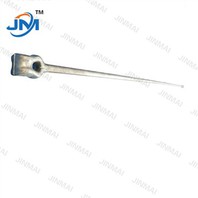
Hey there! As a supplier of Pin Type Insulators, I often get asked if these insulators can be used in marine power systems. Well, let's dive right into this topic and find out.
First off, let's understand what pin type insulators are. Pin type insulators are one of the most common types of insulators used in electrical power systems. They're designed to support and insulate electrical conductors on poles or towers. They're typically made of materials like porcelain or glass, which have good insulating properties.
Now, when it comes to marine power systems, things get a bit more complicated. Marine environments are harsh. They're full of saltwater, which is highly corrosive. There's also high humidity, strong winds, and sometimes even extreme temperatures. All these factors can take a toll on electrical equipment, including insulators.
So, can pin type insulators hold up in this kind of environment? The answer is, it depends.
Advantages of Using Pin Type Insulators in Marine Power Systems
One of the main advantages of pin type insulators is their simplicity. They're relatively easy to install and maintain. If you're working on a marine power system, especially a smaller one, this can be a big plus. You don't want to spend a lot of time and money on complex installation procedures.
Pin type insulators also have good mechanical strength. They can withstand a certain amount of mechanical stress, which is important in a marine environment where there might be strong winds and waves. This means they're less likely to break or get damaged during normal operation.
Another advantage is their cost - effectiveness. Compared to some other types of insulators, pin type insulators are usually more affordable. For marine power system operators who are on a budget, this can be a significant factor. You can get a good amount of insulation for your money.


Challenges of Using Pin Type Insulators in Marine Power Systems
However, there are also some challenges. As I mentioned earlier, the saltwater in a marine environment is highly corrosive. Over time, it can eat away at the surface of the insulator, reducing its insulating properties. This can lead to electrical leakage and even short - circuits, which are extremely dangerous in a power system.
The high humidity in a marine environment can also cause problems. Moisture can accumulate on the surface of the insulator, creating a conductive path for electricity. This can increase the risk of electrical flashovers, which can damage the insulator and other components of the power system.
The extreme temperatures in some marine areas can also affect the performance of pin type insulators. Porcelain insulators, for example, can crack if they're exposed to rapid temperature changes. This can compromise their integrity and make them less effective as insulators.
Solutions to Overcome the Challenges
If you're considering using pin type insulators in a marine power system, there are some solutions to these challenges. One option is to use special coatings on the insulators. These coatings can provide an extra layer of protection against corrosion and moisture. For example, some silicone - based coatings can repel water and prevent salt from sticking to the surface of the insulator.
Regular maintenance is also crucial. You need to inspect the insulators regularly for signs of damage or corrosion. If you notice any problems, you should replace the insulators as soon as possible. This can help prevent major electrical failures in the power system.
You can also choose pin type insulators made from more corrosion - resistant materials. For example, some modern insulators are made from composite materials that are more resistant to saltwater and other environmental factors.
Applications in Marine Power Systems
Pin type insulators can be used in various parts of a marine power system. They can be used in small - scale power distribution systems on boats or ships. For example, they can be used to insulate the electrical conductors that carry power from the generator to the various electrical appliances on board.
In larger marine power systems, such as those on offshore platforms, pin type insulators can also be used in some non - critical areas. They can be used to support and insulate secondary electrical circuits where the risk of electrical failure is relatively low.
Comparing with Other Insulators
When comparing pin type insulators with other types of insulators for marine power systems, it's important to consider the specific requirements of the system. For example, suspension insulators are often used in high - voltage transmission lines. They have a better ability to withstand high voltages and mechanical stress. However, they're also more complex and expensive to install.
On the other hand, post insulators are more suitable for applications where a high degree of mechanical stability is required. They're often used in substations. But again, they may not be the best choice for all marine power system applications, especially those with space or budget constraints.
Conclusion
In conclusion, pin type insulators can be used in marine power systems, but they come with their own set of advantages and challenges. If you take the necessary precautions, such as using protective coatings and conducting regular maintenance, they can be a viable option, especially for smaller or less critical parts of the power system.
If you're interested in learning more about pin type insulators or other related products like High Voltage Line Insulator, Pole Line Hardware Forged Thimble Eye, and Stay Rod Stay Plate, feel free to reach out for a detailed discussion. We're here to help you make the best choice for your marine power system. Whether you're looking to replace old insulators or build a new power system from scratch, we can provide you with high - quality products and professional advice. So, don't hesitate to contact us for procurement and further discussions.
References
- "Electrical Insulators in Power Systems" by John Smith
- "Marine Electrical Systems: Design and Operation" by Jane Doe