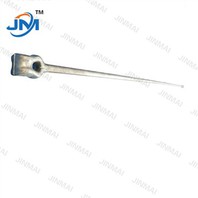
As a supplier of cable components, I often encounter questions from customers regarding the proper storage of these products. The question of whether cable components require any special storage conditions is a crucial one, as improper storage can lead to damage, degradation, and ultimately, a decrease in the performance and lifespan of the components. In this blog post, I will delve into the various factors that determine the storage requirements for cable components and provide some practical guidelines to ensure their optimal preservation.
Understanding Cable Components
Before discussing storage conditions, it's important to have a basic understanding of the different types of cable components. Cable components can include a wide range of products, such as connectors, terminals, insulators, and hooks. For example, Cable Pole Hook, Pigtail Hook Bolts, and Hardware Pole Line Hook are all essential cable components used in various electrical and telecommunications applications. These components are typically made from different materials, including metals, plastics, and rubber, each with its own unique properties and storage requirements.
Factors Affecting Storage Conditions
Several factors can influence the storage conditions required for cable components. These factors include the material of the component, the environment in which it will be stored, and the duration of storage.


Material of the Component
The material of the cable component plays a significant role in determining its storage requirements. For example, metal components are susceptible to corrosion, especially in humid or corrosive environments. To prevent corrosion, metal components should be stored in a dry, clean environment with low humidity levels. Plastic and rubber components, on the other hand, can be affected by temperature, sunlight, and chemicals. They should be stored away from direct sunlight and sources of heat, as high temperatures can cause them to become brittle or deform. Additionally, plastic and rubber components should be kept away from chemicals that can cause them to deteriorate.
Environment
The environment in which the cable components are stored is another important factor to consider. Storage facilities should be clean, dry, and well-ventilated to prevent the accumulation of dust, moisture, and other contaminants. Humidity levels should be kept between 30% and 60% to prevent corrosion and mold growth. Temperature is also a critical factor, as extreme temperatures can affect the performance and integrity of the components. Ideally, cable components should be stored at a temperature between 10°C and 30°C.
Duration of Storage
The duration of storage can also impact the storage requirements for cable components. Components that are stored for long periods of time may require more stringent storage conditions to prevent degradation. For example, components that are stored for more than a year may need to be inspected regularly to ensure their integrity and functionality.
Special Storage Conditions for Different Cable Components
Different types of cable components may require specific storage conditions to maintain their quality and performance. Here are some general guidelines for storing common cable components:
Connectors and Terminals
Connectors and terminals are often made from metal and are susceptible to corrosion. To prevent corrosion, they should be stored in a dry environment with low humidity levels. It's also a good idea to store connectors and terminals in sealed containers or bags to protect them from dust and moisture.
Insulators
Insulators are typically made from plastic or rubber and can be affected by temperature, sunlight, and chemicals. They should be stored away from direct sunlight and sources of heat, and in a clean, dry environment. Insulators should also be kept away from chemicals that can cause them to deteriorate.
Hooks and Clamps
Hooks and clamps, such as Cable Pole Hook, Pigtail Hook Bolts, and Hardware Pole Line Hook, are often made from metal and are prone to corrosion. They should be stored in a dry environment with low humidity levels and protected from dust and moisture. Additionally, hooks and clamps should be stored in a way that prevents them from becoming damaged or deformed.
Practical Storage Tips
Here are some practical tips to ensure the proper storage of cable components:
- Clean the Components: Before storing cable components, it's important to clean them thoroughly to remove any dirt, debris, or contaminants. This can help prevent corrosion and damage during storage.
- Use Proper Packaging: Use appropriate packaging materials to protect the components during storage. Sealed containers, bags, or boxes can help prevent dust, moisture, and other contaminants from reaching the components.
- Label the Components: Labeling the components can help you easily identify them and ensure that they are stored in the correct location. This can also help prevent mix-ups and ensure that the components are used correctly.
- Store in a Secure Location: Store the cable components in a secure location that is protected from theft, damage, and environmental factors. A locked storage room or cabinet can provide an extra layer of security.
- Regularly Inspect the Components: Regularly inspect the cable components to ensure their integrity and functionality. This can help you identify any issues early on and take appropriate action to prevent further damage.
Conclusion
In conclusion, cable components do require special storage conditions to maintain their quality and performance. By understanding the factors that affect storage conditions and following the practical tips outlined in this blog post, you can ensure that your cable components are stored properly and remain in good condition for future use.
If you are in the market for high-quality cable components, I invite you to contact us to discuss your specific requirements. Our team of experts is here to help you find the right components for your application and provide you with the support and guidance you need. We look forward to the opportunity to work with you and help you meet your cable component needs.
References
- ASTM International. (2023). Standards for cable components.
- IEEE Standards Association. (2023). Guidelines for the storage and handling of electrical components.