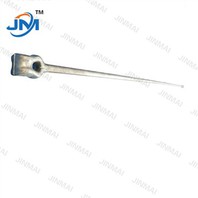
Hey there! I'm a supplier of Steel Flat Arms, and today I'm super excited to take you behind the scenes and show you how these awesome steel flat arms are manufactured. It's a pretty cool process, and I'm gonna break it down step by step.
Step 1: Material Selection
First things first, we gotta pick the right material. Steel flat arms are usually made from high - quality carbon steel or alloy steel. The choice of material depends on what the flat arms are gonna be used for. If they need to be super strong and resistant to wear and tear, we might go for alloy steel. But if cost is a big factor and the application isn't too demanding, carbon steel is a great option.
We source our steel from reliable suppliers. We make sure the steel meets all the industry standards for quality and strength. You don't wanna cut corners here because the quality of the raw material really sets the foundation for the final product.
Step 2: Cutting the Steel
Once we've got the right steel, it's time to cut it into the right size and shape. We use a variety of cutting methods, depending on the thickness of the steel and the precision we need. For thinner steel, we might use a laser cutter. Laser cutting is super precise and can create really intricate shapes. It's like using a really sharp, high - tech knife to slice through the steel.
For thicker steel, we often use a plasma cutter. Plasma cutting is a bit more brute - force. It uses a high - velocity jet of ionized gas to melt and cut through the steel. It's fast and can handle thicker materials, but it might not be as precise as laser cutting.
After cutting, we end up with flat pieces of steel that are the right size for making our flat arms. But these pieces are just the beginning.
Step 3: Forming the Flat Arms
Now comes the fun part – forming the flat arms into their final shape. There are a couple of ways we can do this. One common method is press braking. We put the flat steel piece into a press brake machine, which has a punch and a die. The machine applies pressure to bend the steel at the right angles. It's like folding a piece of paper, but with steel! Press braking allows us to create different angles and shapes for the flat arms, depending on what the customer needs.
Another method we use is roll forming. In roll forming, the flat steel passes through a series of rollers that gradually shape it into the desired profile. Roll forming is great for creating long, continuous shapes with a consistent cross - section. It's like rolling dough through a pasta maker to get a specific shape.
During the forming process, we have to be really careful to make sure the angles and dimensions are just right. Any small mistake can affect how well the flat arms work in the end.
Step 4: Machining (if needed)
Sometimes, the formed flat arms need a little extra work. Maybe they need holes drilled in them or some edges smoothed out. That's where machining comes in. We use machines like drill presses to make holes in the flat arms. The size and position of the holes are carefully measured and drilled to meet the customer's specifications.
We might also use milling machines to remove any rough edges or to add some details to the flat arms. Milling is like using a really powerful sandpaper on the steel, but it can also create more complex shapes and features.
Step 5: Heat Treatment
Heat treatment is an important step that can really improve the properties of the steel flat arms. There are different types of heat treatment, but one of the most common is quenching and tempering.
Quenching involves heating the flat arms to a really high temperature and then quickly cooling them down. This makes the steel harder and stronger. But quenched steel can also be a bit brittle, so we follow up with tempering. Tempering involves heating the quenched steel to a lower temperature and then cooling it slowly. This reduces the brittleness and makes the steel more ductile and tough.
Heat treatment can really make a big difference in how the flat arms perform. It can increase their strength, durability, and resistance to wear and tear.
Step 6: Surface Treatment
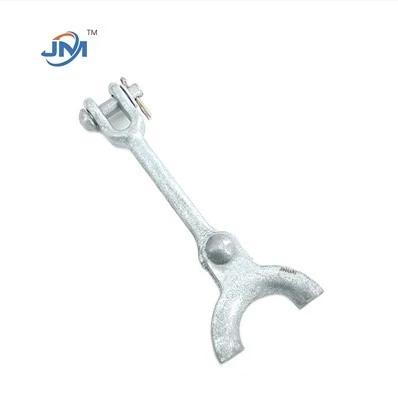
Once the flat arms are heat - treated, we need to protect them from corrosion and give them a nice finish. One of the most popular surface treatments we use is hot - dip galvanizing. Hot - dip galvanizing involves dipping the flat arms into a bath of molten zinc. The zinc forms a protective layer on the steel, which prevents rust and corrosion. It's like putting a suit of armor on the steel flat arms.
You can check out some of our other products that also use hot - dip galvanizing, like the Hot Dip Galvanized Pull Rod And Thimble Clevis. This process not only protects the products but also gives them a nice, shiny appearance.
Another surface treatment option is powder coating. Powder coating involves applying a dry powder to the flat arms and then baking it in an oven. The powder melts and forms a hard, durable finish. Powder coating comes in a variety of colors, so we can give the flat arms a custom look.
Step 7: Quality Control
Before we send the steel flat arms out to our customers, we do a thorough quality control check. We measure the dimensions of the flat arms to make sure they meet the specifications. We also check for any surface defects, like cracks or rough spots.
We might do some strength tests to make sure the flat arms can handle the loads they're designed for. For example, we can use a tensile testing machine to see how much pulling force the flat arms can withstand before breaking.
If we find any issues during the quality control check, we either fix the problem or scrap the defective product. We don't wanna send out anything that doesn't meet our high standards.
Step 8: Packaging and Shipping
Once the flat arms pass the quality control check, it's time to package them up and get them ready for shipping. We use sturdy packaging materials to protect the flat arms during transit. We don't want them to get damaged on the way to the customer.
We carefully pack the flat arms in boxes or crates, depending on the size and quantity. And then we ship them out to our customers all over the world. Whether it's a small order for a local business or a big order for an international client, we make sure the flat arms get to their destination safely and on time.
Other Related Products
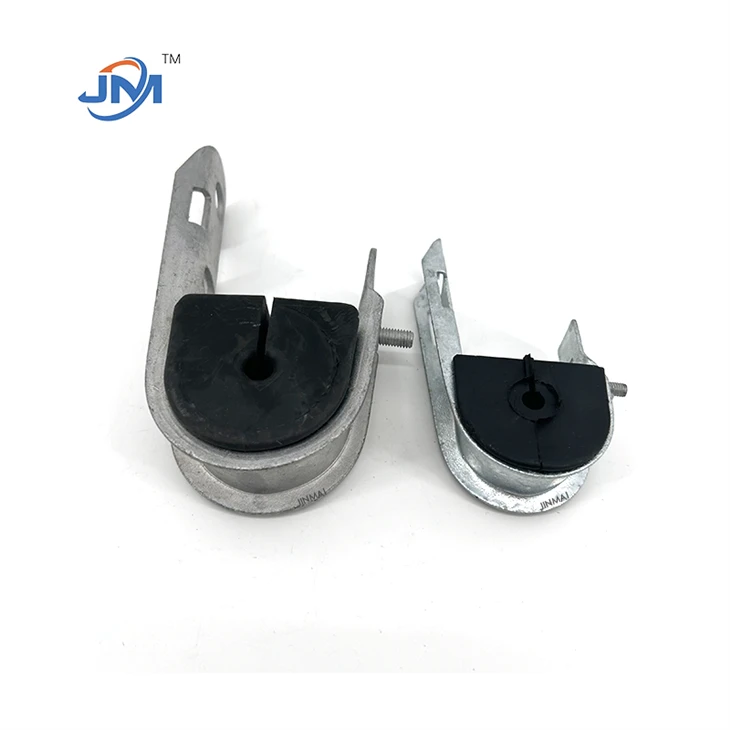
In addition to steel flat arms, we also offer a range of other metal - stamping parts. For example, we have Hot - DIP Galvanized J Hook Suspension Clamp/ ADSS Cable Suspension Clamp For Pole Clamp. These clamps are used in electrical and telecommunications industries to hold cables in place. They're made using similar manufacturing processes and are also treated to resist corrosion.
We also have Oval Eye Nuts & Eyelets. These are small but important components that are used in a variety of applications, from construction to automotive.
Conclusion
So, there you have it – the process of manufacturing steel flat arms. It's a multi - step process that involves a lot of skill, technology, and attention to detail. From selecting the right raw material to shipping the final product, every step is crucial to making high - quality steel flat arms.
If you're in the market for steel flat arms or any of our other metal - stamping products, I'd love to hear from you. We're always looking for new customers and are committed to providing the best products and services. Whether you need a small quantity for a DIY project or a large order for your business, we can help. Just reach out, and we can start discussing your needs and how we can meet them.
References
- "Metals Handbook: Forming and Forging", ASM International
- "Fundamentals of Metal Cutting and Machine Tools", Stephenson and Agapiou