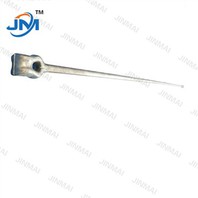
As a supplier of Bolt Wire Clamps, I understand the critical role these components play in various electrical and mechanical applications. A strong grip is essential for ensuring the stability and safety of wire connections. In this blog, I'll share some effective strategies on how to improve the grip of a Bolt Wire Clamp.
Understanding the Basics of Bolt Wire Clamps
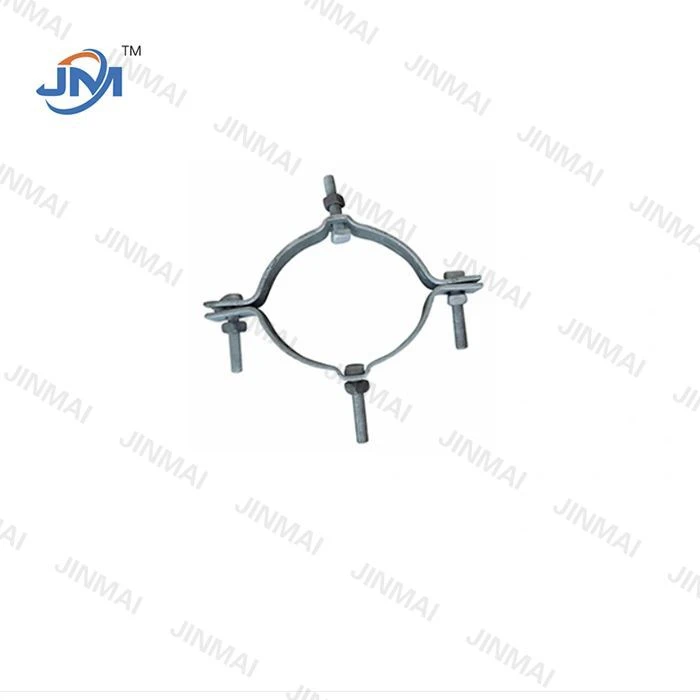
Before delving into the improvement methods, it's important to understand how Bolt Wire Clamps work. These clamps typically consist of a bolt, a nut, and a clamping body. The bolt is tightened to apply pressure on the wire, creating a frictional force that holds the wire in place. The effectiveness of this grip depends on several factors, including the material of the clamp, the surface condition of the wire, and the tightening torque.
Selecting the Right Material
The material of the Bolt Wire Clamp has a significant impact on its grip. High - strength metals such as stainless steel or alloy steel are often preferred due to their durability and resistance to corrosion. Stainless steel clamps, for example, can maintain their integrity in harsh environmental conditions, ensuring a long - lasting grip on the wire.
When choosing a material, consider the application environment. If the clamp will be used in a wet or corrosive environment, a corrosion - resistant material is essential. On the other hand, if the application requires high - temperature resistance, a heat - resistant alloy may be more suitable.
Surface Preparation of the Wire
The surface condition of the wire also affects the grip of the Bolt Wire Clamp. A clean and smooth wire surface provides better contact with the clamp, increasing the frictional force. Before installing the clamp, it's recommended to clean the wire thoroughly to remove any dirt, grease, or oxide layers.
For wires with rough or uneven surfaces, a small amount of abrasive can be used to gently smooth the surface. However, be careful not to damage the wire during this process. Additionally, applying a thin layer of anti - corrosion coating on the wire can not only protect it from corrosion but also improve the contact between the wire and the clamp.
Proper Tightening of the Bolt
One of the most crucial factors in improving the grip of a Bolt Wire Clamp is the proper tightening of the bolt. Over - tightening can damage the wire or the clamp, while under - tightening can result in a loose connection. It's important to follow the manufacturer's recommended tightening torque.
To ensure accurate tightening, a torque wrench can be used. This tool allows you to apply the exact amount of torque required, preventing over - or under - tightening. When tightening the bolt, make sure to apply the force evenly to avoid uneven pressure on the wire.
Using Additional Components
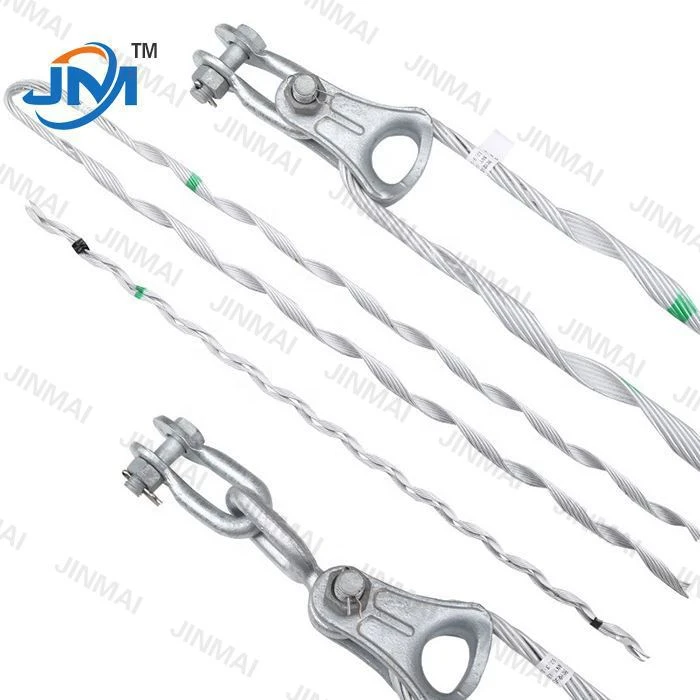
In some cases, using additional components can enhance the grip of the Bolt Wire Clamp. For example, Preformed Armor Rods can be wrapped around the wire before installing the clamp. These rods provide additional support and protection to the wire, increasing the contact area between the wire and the clamp and improving the grip.
Another useful component is the Mounting Clamp Adapter. This adapter can be used to adjust the size or shape of the clamp to fit different types of wires or installation requirements. It can also help distribute the pressure more evenly, enhancing the grip.
Installation on Electric Pole Cross Arm
When installing Bolt Wire Clamps on an Electric Pole Cross Arm, proper alignment and positioning are crucial. Make sure the clamp is centered on the wire and aligned with the cross - arm. This ensures that the pressure is applied evenly across the wire, improving the grip.
Before tightening the clamp, check the position of the wire and the clamp to ensure they are in the correct place. Use a level or other alignment tools if necessary. Additionally, make sure the cross - arm is in good condition and can provide a stable support for the clamp.
Regular Inspection and Maintenance
Even after taking all the necessary steps to improve the grip of the Bolt Wire Clamp, regular inspection and maintenance are still required. Over time, the clamp may loosen due to vibration, temperature changes, or other factors. Inspect the clamps periodically to check for any signs of loosening, damage, or corrosion.
If any issues are found, take immediate action to correct them. Tighten the bolts if they are loose, replace any damaged components, and clean or coat the clamps to prevent corrosion. By maintaining the clamps regularly, you can ensure their long - term performance and grip.
Conclusion
Improving the grip of a Bolt Wire Clamp is a multi - faceted process that involves selecting the right material, preparing the wire surface, proper tightening, using additional components, correct installation, and regular maintenance. By following these strategies, you can ensure a strong and reliable grip, which is essential for the safety and performance of your electrical or mechanical systems.
If you are interested in purchasing high - quality Bolt Wire Clamps or have any questions about improving their grip, please feel free to contact us for further discussion and procurement negotiation.
References
- "Handbook of Electrical Power System Components"
- "Mechanical Design of Electrical Equipment"