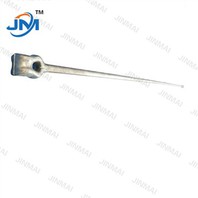
Hey there! As a supplier of overhead line fittings, I've seen firsthand how important it is for these components to resist corrosion. Corrosion can weaken the fittings, leading to safety hazards and costly repairs. In this blog, I'm gonna share with you how overhead line fittings manage to resist corrosion.
Understanding Corrosion
Before we dive into how overhead line fittings resist corrosion, let's first understand what corrosion is. Corrosion is basically a natural process that happens when metals react with their environment. In the case of overhead line fittings, they're constantly exposed to the elements - rain, snow, sunlight, and air. These environmental factors can cause the metal in the fittings to oxidize, which is a form of corrosion.
The most common type of corrosion for overhead line fittings is rust. Rust is the result of iron in the metal reacting with oxygen and water. Once rust starts to form, it can spread quickly and eat away at the metal, compromising the integrity of the fitting.
Material Selection
One of the first steps in making overhead line fittings corrosion - resistant is choosing the right materials. We often use metals that have inherent corrosion - resistant properties. For example, stainless steel is a popular choice. Stainless steel contains chromium, which forms a thin, protective layer on the surface of the metal. This layer, called a passive film, prevents oxygen and water from reaching the underlying metal, thus reducing the risk of corrosion.
Another commonly used material is aluminum. Aluminum has a natural oxide layer that forms on its surface when it's exposed to air. This oxide layer acts as a barrier, protecting the aluminum from further oxidation. Aluminum is also lightweight, which makes it easier to install and transport the overhead line fittings.
Surface Treatments
In addition to using corrosion - resistant materials, we also apply various surface treatments to enhance the corrosion resistance of overhead line fittings.
Galvanization
Galvanization is one of the most widely used surface treatments. It involves coating the metal fitting with a layer of zinc. When the zinc - coated fitting is exposed to the environment, the zinc corrodes first instead of the underlying metal. This is because zinc is more reactive than most of the metals used in overhead line fittings. The zinc forms a protective layer of zinc oxide and zinc hydroxide, which slows down the corrosion process.
We offer Galvanized Cross Arm that goes through a high - quality galvanization process. The galvanized coating not only provides excellent corrosion resistance but also gives the cross arm a long service life, even in harsh outdoor conditions.
Powder Coating
Powder coating is another effective surface treatment. It involves applying a dry powder to the surface of the fitting and then baking it in an oven. The powder melts and forms a smooth, durable coating on the metal. Powder coatings can provide both aesthetic appeal and corrosion protection. They come in a variety of colors, so you can choose the one that suits your needs. The powder coating acts as a physical barrier, preventing moisture, oxygen, and other corrosive substances from reaching the metal.


Painting
Painting is a simple yet effective way to protect overhead line fittings from corrosion. A good quality paint can form a protective film on the surface of the fitting, shielding it from the elements. However, it's important to choose the right type of paint that is suitable for outdoor use and can withstand the environmental conditions.
Design Considerations
The design of overhead line fittings also plays a crucial role in corrosion resistance. We design the fittings in a way that minimizes the accumulation of water and debris. For example, we make sure that there are no crevices or pockets where water can collect. Water that stays on the surface of the fitting for a long time can accelerate the corrosion process.
We also design the fittings to allow for proper drainage. If water can drain off the fitting quickly, it reduces the time that the metal is in contact with water, thus reducing the risk of corrosion.
Maintenance
Even with all the corrosion - resistant materials and treatments, regular maintenance is still necessary to ensure the long - term performance of overhead line fittings.
Inspections
Regular inspections are essential. We recommend inspecting the overhead line fittings at least once a year. During the inspection, you can check for signs of corrosion, such as rust spots or peeling coatings. If you notice any issues, you can take appropriate measures to address them, such as touching up the paint or replacing a damaged fitting.
Cleaning
Cleaning the overhead line fittings can also help prevent corrosion. You can use a mild detergent and water to clean the fittings, removing dirt, debris, and other contaminants. Avoid using abrasive cleaners, as they can damage the protective coatings on the fittings.
Our Product Range
We're proud to offer a wide range of Overhead Pole Line Hardware that is designed to resist corrosion. Our products are made from high - quality materials and undergo strict quality control processes. Whether you need cross arms, insulators, or other hardware, we've got you covered.
We also have Cable Accessories Iron Cross Arm. These cross arms are not only strong and durable but also have excellent corrosion - resistant properties. They're suitable for various overhead line applications.
Contact Us for Purchasing
If you're in the market for high - quality, corrosion - resistant overhead line fittings, we'd love to hear from you. Our team of experts can help you choose the right products for your specific needs. We offer competitive prices and excellent customer service. Whether you're a small contractor or a large utility company, we can provide you with the overhead line fittings you need. Reach out to us to start the purchasing process and ensure the reliability of your overhead line systems.
References
- Fontana, M. G. (1986). Corrosion Engineering. McGraw - Hill.
- Uhlig, H. H., & Revie, R. W. (1985). Corrosion and Corrosion Control. Wiley - Interscience.