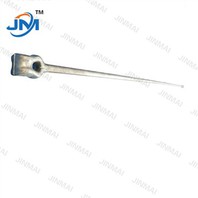
Installing a galvanized cross arm on a wooden pole is a crucial task in the construction and maintenance of overhead power lines and other utility systems. As a trusted galvanized cross arm supplier, I understand the importance of providing clear guidance on this process. In this blog, I'll walk you through the step - by - step installation of a galvanized cross arm on a wooden pole, highlighting key considerations and safety measures.
Tools and Materials Needed
Before you start the installation, gather the necessary tools and materials. You will need a galvanized cross arm, which can be of different types such as Cable Accessories Iron Cross Arm or Steel Angle Cross Arm. Other essential tools include a measuring tape, a level, a drill with appropriate drill bits, lag screws, washers, a wrench, and a safety harness if working at height.
Pre - installation Inspection
- Inspect the Wooden Pole
- Check the wooden pole for any signs of decay, rot, or damage. A damaged pole may not provide a stable base for the cross arm. If the pole is in poor condition, it should be replaced before proceeding with the installation.
- Measure the diameter of the pole at the desired installation height. This measurement is crucial for selecting the appropriate size of the cross arm and lag screws.
- Inspect the Galvanized Cross Arm
- Examine the cross arm for any defects, such as cracks, dents, or incomplete galvanization. A defective cross arm may compromise the safety and functionality of the entire system.
- Check the holes in the cross arm to ensure they are clean and free of debris. The holes should align properly with the holes to be drilled in the wooden pole.
Marking the Installation Position
- Determine the Height
- Decide on the appropriate height for the cross arm installation. This height is usually determined by industry standards and the specific requirements of the utility system. For example, in power distribution systems, the cross arm may need to be installed at a certain height to ensure proper clearance for the conductors.
- Use a measuring tape to mark the desired height on the wooden pole. Make sure the mark is clear and visible.
- Mark the Center Line
- Find the center of the wooden pole at the marked height. You can do this by wrapping a string around the pole and marking the mid - point.
- Use a level to draw a horizontal line across the pole at the marked height. This line will serve as a reference for aligning the cross arm.
Drilling Holes in the Wooden Pole
- Select the Drill Bit
- Choose a drill bit that is slightly smaller in diameter than the lag screws you will be using. This ensures a tight fit and proper holding strength.
- Drill the Holes
- Align the drill with the holes in the cross arm and carefully drill holes into the wooden pole. Make sure the holes are straight and perpendicular to the surface of the pole.
- Drill the holes to the appropriate depth, which is usually specified by the manufacturer of the lag screws.
Installing the Galvanized Cross Arm
- Position the Cross Arm
- Lift the galvanized cross arm and position it against the wooden pole, aligning the holes in the cross arm with the holes in the pole. Use the level to ensure the cross arm is perfectly horizontal.
- Insert the Lag Screws
- Insert the lag screws through the holes in the cross arm and into the holes in the wooden pole. Place a washer on each lag screw before tightening.
- Use a wrench to tighten the lag screws securely. Make sure the cross arm is firmly attached to the pole and does not move or wobble.
Post - installation Checks
- Check the Alignment
- Use a level to re - check the alignment of the cross arm. It should be perfectly horizontal and in line with the center line marked on the pole.
- Inspect the Connections
- Inspect the lag screw connections to ensure they are tight and secure. Look for any signs of movement or looseness.
- Test the Stability
- Gently shake the cross arm to test its stability. If there is any excessive movement, tighten the lag screws further or check for any other issues.
Safety Considerations
- Personal Protective Equipment (PPE)
- Always wear appropriate PPE, including safety glasses, gloves, and a hard hat. If working at height, wear a safety harness and use proper fall protection equipment.
- Lifting and Handling
- When lifting the cross arm, use proper lifting techniques to avoid back injuries. If the cross arm is heavy, consider using a lifting device.
- Electrical Safety
- If the wooden pole is near electrical lines, take extra precautions to avoid contact with the conductors. Follow all electrical safety regulations and procedures.
Why Choose Our Galvanized Cross Arms
As a leading supplier of galvanized cross arms, we offer a wide range of high - quality products that are suitable for various applications. Our cross arms are made from top - grade materials and undergo a rigorous galvanization process to ensure long - term durability and corrosion resistance.
We also provide excellent customer service, with a team of experts ready to assist you with any questions or concerns you may have regarding the installation or selection of our products. Whether you need Overhead Pole Line Hardware for a small - scale project or a large - quantity order for a major utility system, we have the solutions to meet your needs.


Contact Us for Procurement
If you are interested in purchasing our galvanized cross arms or have any questions about the installation process, we encourage you to contact us. Our sales team is eager to discuss your requirements and provide you with a competitive quote. We are committed to providing you with the best products and services in the industry.
References
- Electrical Safety Standards Handbook. Published by the National Electrical Safety Council.
- Overhead Power Line Construction Manual. Published by the Institute of Electrical and Electronics Engineers (IEEE).
- Galvanized Cross Arm Manufacturer's Installation Guide.