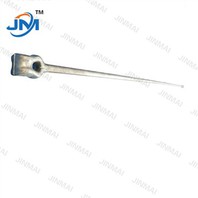
Replacing a damaged galvanized cross arm is a crucial task in maintaining the integrity and safety of overhead power lines and other related structures. As a supplier of Galvanized Cross Arm, I understand the importance of this process and the significance of using high - quality cross arms. In this blog, I will guide you through the steps of replacing a damaged galvanized cross arm.
1. Safety First
Before starting any work on replacing a damaged cross arm, safety should be your top priority. Make sure to wear appropriate personal protective equipment (PPE), including hard hats, safety glasses, gloves, and safety harnesses if working at height. Inform the relevant power company or authorities about the work to be done to avoid any potential power - related hazards. Check the weather conditions, as working in adverse weather such as high winds, rain, or lightning can be extremely dangerous.
2. Inspection and Assessment
The first step in the replacement process is to thoroughly inspect the damaged cross arm. Determine the extent of the damage. Is it a minor crack, a significant break, or corrosion that has weakened the structure? Look for any signs of wear and tear on the mounting hardware, such as bolts, nuts, and brackets. Also, assess the condition of the cables and other components attached to the cross arm. This inspection will help you decide whether a simple repair is possible or if a complete replacement is necessary.
3. Gather the Necessary Tools and Materials
Once you have decided to replace the cross arm, gather all the tools and materials you will need. The tools typically include wrenches, socket sets, a saw (if the cross arm needs to be cut for removal), a drill, and a hoist or lifting equipment if the cross arm is heavy. As for materials, you will need a new Galvanized Cross Arm of the appropriate size and specifications. It is important to choose a high - quality cross arm that is galvanized to prevent corrosion and ensure long - term durability. You may also need new mounting hardware, such as bolts, nuts, and washers.


4. Isolate the Power (if applicable)
If the cross arm is part of an electrical power line, it is essential to isolate the power before starting the replacement work. Contact the power company and follow their procedures for power isolation. This may involve shutting off the power supply to the affected area, placing warning signs, and ensuring that the line is properly grounded. Working on live electrical lines is extremely dangerous and can result in serious injury or death.
5. Remove the Damaged Cross Arm
Carefully remove the cables and other components attached to the damaged cross arm. Label the cables to ensure that they can be re - attached correctly later. Use the appropriate tools to loosen and remove the mounting hardware, such as bolts and nuts. If the cross arm is difficult to remove, you may need to use a saw to cut it into smaller pieces. Be careful not to damage the surrounding structures or cables during the removal process.
6. Prepare the Mounting Area
Once the damaged cross arm has been removed, clean the mounting area to remove any dirt, debris, or rust. Inspect the mounting brackets and other structures for any damage. If necessary, repair or replace any damaged parts. Make sure that the mounting area is level and secure to ensure proper installation of the new cross arm.
7. Install the New Cross Arm
Lift the new Galvanized Cross Arm into place using a hoist or other lifting equipment. Align the cross arm with the mounting brackets and insert the bolts through the holes. Tighten the bolts and nuts securely using the appropriate wrenches. Make sure that the cross arm is level and properly aligned to ensure that the cables and other components can be attached correctly.
8. Re - attach the Cables and Components
Re - attach the cables and other components to the new cross arm according to the labels you made during the removal process. Make sure that the cables are properly tensioned and that all connections are secure. Check the alignment of the cables to ensure that they are not rubbing against any sharp edges or other objects.
9. Final Inspection
After the new cross arm has been installed and the cables have been re - attached, conduct a final inspection. Check the tightness of all the bolts and nuts, the alignment of the cross arm and cables, and the overall stability of the structure. Look for any signs of damage or wear on the new cross arm and the surrounding components. If everything looks good, you can restore the power (if it was previously isolated).
10. Maintenance and Monitoring
Once the replacement is complete, it is important to establish a maintenance and monitoring schedule. Regularly inspect the cross arm and the surrounding components for any signs of damage, corrosion, or wear. Check the tightness of the mounting hardware and the tension of the cables. Promptly address any issues that are identified to ensure the continued safety and reliability of the overhead power line or other structure.
As a supplier of Galvanized Cross Arm, Cable Accessories Iron Cross Arm, and related products for Electric Power Stringing, we are committed to providing high - quality products that meet the industry standards. Our cross arms are made from high - grade materials and are galvanized to provide excellent corrosion resistance. If you are in need of galvanized cross arms or other overhead line fittings, we invite you to contact us for procurement and further discussion. We can offer you professional advice on product selection and installation to ensure that your projects are successful.
References
- Electrical Safety Standards and Guidelines, National Electrical Safety Code (NESC)
- Overhead Line Construction and Maintenance Manual, Utility Industry Publications
- Galvanizing Technology and Corrosion Prevention, Metallurgical Research Journals