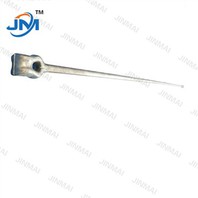
ADSS (All-Dielectric Self-Supporting) cable hardware plays a crucial role in the installation and maintenance of ADSS cables, which are widely used in power transmission and communication networks. One of the most significant challenges faced by ADSS cable hardware is corrosion, which can compromise the integrity and performance of the hardware over time. As a trusted ADSS Cable Hardware supplier, we understand the importance of corrosion resistance in ensuring the long - term reliability of our products. In this blog, we will explore how our ADSS cable hardware resists corrosion.
Understanding Corrosion in ADSS Cable Hardware
Corrosion is a natural process that occurs when metals react with their environment, typically oxygen and moisture. In the context of ADSS cable hardware, corrosion can be accelerated by factors such as exposure to harsh weather conditions, pollutants in the air, and the presence of chemicals in the soil. When corrosion occurs, it can lead to the degradation of the hardware, including weakening of structural components, loss of electrical conductivity, and reduced insulation performance.
Material Selection
The first line of defense against corrosion in our ADSS cable hardware is the careful selection of materials. We use high - quality, corrosion - resistant materials in the manufacturing process. For instance, many of our hardware components are made from stainless steel. Stainless steel contains chromium, which forms a passive oxide layer on the surface of the metal. This layer acts as a barrier, preventing oxygen and moisture from reaching the underlying metal and thus inhibiting the corrosion process.
Another commonly used material is aluminum. Aluminum has a natural oxide layer that provides a certain degree of corrosion resistance. When exposed to air, aluminum quickly forms a thin, transparent oxide film on its surface. This film is self - healing, meaning that if it is damaged, it can reform under the right conditions, protecting the aluminum from further corrosion.
Surface Treatment
In addition to material selection, we also employ various surface treatment techniques to enhance the corrosion resistance of our ADSS cable hardware. One of the most effective methods is hot - dip galvanizing. Hot - dip Galvanizing Bolt is a prime example of our products that benefit from this treatment. Hot - dip galvanizing involves immersing the hardware in a bath of molten zinc. The zinc coating adheres to the surface of the metal, providing a physical barrier against corrosion. Zinc is also sacrificial, which means that in the presence of an electrolyte (such as water), zinc will corrode preferentially over the base metal, protecting the underlying material.
We also use powder coating on some of our hardware components. Powder coating is a dry finishing process in which a fine powder is electrostatically applied to the surface of the hardware. The powder is then cured under heat, forming a hard, durable, and corrosion - resistant finish. Powder coating not only provides excellent protection against corrosion but also offers a wide range of color options, allowing for customization according to customer requirements.
Design Considerations
Our design team takes corrosion resistance into account from the initial design stage. We design our ADSS cable hardware to minimize the accumulation of moisture and debris, which can accelerate corrosion. For example, we ensure that there are no areas where water can pool on the hardware. Components are designed with proper drainage channels to allow water to flow off easily.
In addition, we pay attention to the fit and connection of different parts of the hardware. A tight and proper fit between components can prevent the ingress of moisture and contaminants. We use advanced manufacturing techniques to ensure precise dimensions and high - quality connections, reducing the risk of corrosion at the joints.
Quality Control
Quality control is an essential part of our corrosion - resistance strategy. We have a rigorous quality control system in place to ensure that every piece of ADSS cable hardware meets our high standards of corrosion resistance. Our quality control process includes various tests, such as salt spray tests. In a salt spray test, the hardware is exposed to a fine mist of saltwater for a specified period. This test simulates the harsh coastal environment and allows us to evaluate the corrosion resistance of the hardware.


We also conduct electrochemical impedance spectroscopy (EIS) tests. EIS measures the electrical impedance of the hardware's surface, which can provide information about the corrosion rate and the integrity of the protective coatings. By regularly conducting these tests, we can detect any potential corrosion issues early and take corrective actions before the products are shipped to customers.
Performance in Different Environments
Our ADSS cable hardware is designed to perform well in a variety of environments. In coastal areas, where the air contains high levels of salt, our hot - dip galvanized and stainless - steel hardware can withstand the corrosive effects of saltwater. The sacrificial zinc coating in hot - dip galvanized hardware and the passive oxide layer in stainless steel provide long - term protection against salt - induced corrosion.
In industrial areas, where there may be pollutants such as sulfur dioxide and nitrogen oxides in the air, our powder - coated and corrosion - resistant material hardware can resist the chemical attack. The powder coating acts as a barrier, preventing the pollutants from reaching the metal surface, while the corrosion - resistant materials provide an additional layer of protection.
In high - humidity environments, our hardware's design features, such as proper drainage and tight connections, help to prevent the accumulation of moisture and reduce the risk of corrosion. The surface treatments also play a crucial role in protecting the hardware from the effects of high humidity.
The Role of High - Voltage Line Insulators and Insulated Wedge Clamps
High Voltage Line Insulator and Insulated Wedge Clamp are two important components of our ADSS cable hardware system. High - voltage line insulators are designed to provide electrical insulation and support for the ADSS cables. They are made from materials with high dielectric strength and good corrosion resistance. The insulators are often coated with hydrophobic materials to prevent the formation of a continuous water film on the surface, which can reduce the risk of electrical flashover and corrosion.
Insulated wedge clamps are used to secure the ADSS cables to the supporting structures. They are designed to provide a reliable and corrosion - resistant connection. The insulation materials used in the clamps not only prevent electrical contact between the cable and the supporting structure but also protect the metal parts of the clamp from corrosion.
Conclusion
In conclusion, our ADSS cable hardware resists corrosion through a combination of material selection, surface treatment, design considerations, and quality control. By using high - quality, corrosion - resistant materials, applying effective surface treatments, designing hardware to minimize moisture accumulation, and implementing a strict quality control system, we ensure that our products can withstand the challenges of various environments and provide long - term reliability.
If you are in need of high - quality ADSS cable hardware with excellent corrosion resistance, we invite you to contact us for procurement and further discussions. Our team of experts is ready to provide you with professional advice and solutions tailored to your specific needs.
References
- Fontana, M. G. (1986). Corrosion Engineering. McGraw - Hill.
- Uhlig, H. H., & Revie, R. W. (1985). Corrosion and Corrosion Control. Wiley.
- Schweitzer, P. A. (1996). Corrosion Resistance Tables. Marcel Dekker.