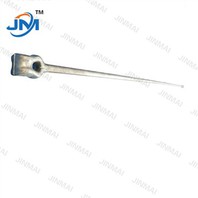
Oil contamination is a critical issue that can significantly impact the performance of an insulator spindle. As a reputable insulator spindle supplier, we have witnessed firsthand the detrimental effects of oil on these essential components. In this blog post, we will explore how oil contamination affects the performance of an insulator spindle and discuss the implications for electrical systems.
Understanding the Insulator Spindle
Before delving into the effects of oil contamination, it is essential to understand the role of an insulator spindle in an electrical system. Insulator spindles are crucial components used to support and insulate electrical conductors, preventing electrical current from flowing into unintended paths. They are commonly used in power transmission and distribution systems, where they play a vital role in maintaining the safety and reliability of the electrical network.
There are various types of insulator spindles available, each designed for specific applications. For instance, the Voltage Insulator Spindle is engineered to handle high voltages, ensuring the safe and efficient transmission of electricity. The Crossarm Long Shank Spindle is designed for use on crossarms, providing support and insulation in overhead power lines. Additionally, the Steel Pin of Pin Insulator is a key component of pin insulators, which are widely used in low-voltage distribution systems.
How Oil Contamination Occurs
Oil contamination of insulator spindles can occur through several mechanisms. One common source of oil contamination is environmental exposure. In industrial settings, oil may be present in the air due to machinery lubrication or other processes. Over time, these oil particles can settle on the surface of the insulator spindle, leading to contamination.
Another source of oil contamination is improper handling or maintenance. If oil comes into contact with the insulator spindle during installation, cleaning, or other maintenance activities, it can cause contamination. Additionally, if the insulator spindle is stored in an environment where oil is present, it may become contaminated.
Effects of Oil Contamination on Insulator Spindle Performance
1. Reduced Insulation Resistance
One of the primary effects of oil contamination on an insulator spindle is a reduction in insulation resistance. Insulation resistance is a measure of how well an insulator prevents the flow of electrical current. When oil contaminates the surface of the insulator spindle, it can form a conductive layer, allowing electrical current to leak through. This leakage current can cause power losses, overheating, and even electrical failures.
The presence of oil can also disrupt the molecular structure of the insulator material, further reducing its insulation properties. As a result, the insulator spindle may no longer be able to provide the necessary insulation, increasing the risk of electrical accidents.


2. Surface Tracking
Surface tracking is another significant issue caused by oil contamination. Surface tracking refers to the formation of conductive paths on the surface of the insulator due to the presence of contaminants. When oil is present on the insulator spindle, it can react with other substances in the environment, such as moisture and dust, to form a conductive layer.
As electrical current flows through this conductive layer, it can cause local heating and carbonization of the insulator material. This process can lead to the formation of permanent conductive paths, known as tracking paths, on the surface of the insulator spindle. Once tracking paths are formed, they can continue to grow and spread, eventually leading to electrical breakdown and failure of the insulator spindle.
3. Increased Corona Discharge
Corona discharge is a phenomenon that occurs when the electrical field strength around an insulator exceeds a certain threshold. It is characterized by the formation of a faint glow around the insulator and the production of ozone and other reactive gases. Oil contamination can increase the likelihood of corona discharge by reducing the surface resistance of the insulator spindle and altering its electrical properties.
Corona discharge can cause several problems, including power losses, degradation of the insulator material, and interference with communication systems. The reactive gases produced during corona discharge can also cause corrosion and damage to nearby equipment.
4. Mechanical Damage
In addition to its electrical effects, oil contamination can also cause mechanical damage to the insulator spindle. Oil can penetrate the pores of the insulator material, causing it to swell and become brittle. This can lead to cracking and fragmentation of the insulator spindle, reducing its mechanical strength and integrity.
Furthermore, the presence of oil can attract dirt and other contaminants, which can accumulate on the surface of the insulator spindle and cause additional wear and tear. Over time, this can lead to the failure of the insulator spindle, requiring costly replacement and maintenance.
Detecting and Preventing Oil Contamination
Detecting oil contamination of insulator spindles is crucial for ensuring the safety and reliability of electrical systems. There are several methods for detecting oil contamination, including visual inspection, electrical testing, and chemical analysis.
Visual inspection involves examining the surface of the insulator spindle for signs of oil, such as stains or discoloration. Electrical testing, such as insulation resistance testing and partial discharge testing, can also be used to detect changes in the electrical properties of the insulator spindle, which may indicate oil contamination. Chemical analysis can provide more detailed information about the composition of the contaminants on the surface of the insulator spindle.
Preventing oil contamination is essential for maintaining the performance of insulator spindles. Some preventive measures include:
- Proper Installation and Maintenance: Ensure that insulator spindles are installed and maintained in accordance with the manufacturer's recommendations. This includes using appropriate cleaning methods and avoiding contact with oil and other contaminants during installation and maintenance activities.
- Environmental Protection: Protect insulator spindles from environmental exposure to oil by using appropriate enclosures or covers. In industrial settings, consider implementing air filtration systems to reduce the concentration of oil particles in the air.
- Regular Inspections: Conduct regular inspections of insulator spindles to detect signs of oil contamination early. This can help prevent more serious problems from developing and ensure the timely replacement of contaminated insulator spindles.
Conclusion
Oil contamination can have a significant impact on the performance of insulator spindles, leading to reduced insulation resistance, surface tracking, increased corona discharge, and mechanical damage. As an insulator spindle supplier, we understand the importance of providing high-quality products that are resistant to oil contamination.
To ensure the safety and reliability of your electrical systems, it is essential to take proactive measures to prevent oil contamination and detect it early. If you suspect that your insulator spindles may be contaminated with oil, or if you have any questions about our products, please do not hesitate to contact us. We are committed to providing you with the best solutions for your insulator spindle needs and look forward to discussing your requirements for procurement and further collaboration.
References
- [1] Smith, J. (2018). Electrical Insulation Materials and Their Applications. New York: Wiley.
- [2] Jones, R. (2019). Handbook of Insulator Technology. London: Elsevier.
- [3] Brown, S. (2020). Power System Protection and Switchgear. Boca Raton: CRC Press.