Hey there! As a bolts supplier, I've seen it all when it comes to bolts. One of the most common questions I get from customers is how to adjust the tightness of bolts. It might seem like a no - brainer, but getting it right is super important for the safety and functionality of whatever you're working on. In this blog, I'll share some tips and tricks on how to do it properly.
First things first, why is it so crucial to adjust bolt tightness correctly? Well, if a bolt is too loose, it can vibrate and come undone over time. This can lead to all sorts of problems, from minor rattling to major structural failures. On the other hand, if a bolt is too tight, it can strip the threads, break the bolt itself, or even damage the materials it's holding together. So, finding that sweet spot is key.
Tools You'll Need
Before you start adjusting bolt tightness, you'll need the right tools. The most common tool for this job is a wrench. There are different types of wrenches, like adjustable wrenches, socket wrenches, and torque wrenches. An adjustable wrench is handy because it can fit different sizes of bolts. You just adjust the jaw to the right width. Socket wrenches come in sets with different socket sizes, and they're great for getting into tight spaces. But if you really want to get the tightness just right, a torque wrench is your best bet.
A torque wrench allows you to apply a specific amount of force (torque) to the bolt. This is measured in units like foot - pounds or Newton - meters. Different applications require different levels of torque. For example, when you're working on a car engine, the bolts need to be tightened to very precise specifications. If you don't use a torque wrench, you might end up over - or under - tightening the bolts, which can cause serious problems.
Step - by - Step Guide to Adjusting Bolt Tightness
Let's start with the basics. First, make sure you clean the bolt and the nut. Any dirt, grease, or debris can affect how tightly the bolt holds. Use a wire brush or a clean cloth to wipe them down.
- Select the Right Wrench: As I mentioned earlier, choose a wrench that fits the bolt size. If you're using an adjustable wrench, make sure it's adjusted properly so that it doesn't slip. A slipping wrench can not only damage the bolt but also cause injury to you.
- Initial Tightening: If the bolt is completely loose, start by hand - tightening the nut as much as you can. This gives you a good starting point and helps align the threads. Then, use your wrench to give it a few more turns. Don't go all out at this stage; just get it snug.
- Using a Torque Wrench (if applicable): If you're using a torque wrench, set it to the recommended torque value. You can usually find this information in the product manual or engineering specifications. For example, if you're working on a piece of machinery, the manufacturer might specify that a certain bolt needs to be tightened to 50 foot - pounds of torque. Once you've set the torque wrench, place it on the nut and turn it clockwise until you hear a click. That click indicates that you've reached the set torque.
- Checking for Tightness: After tightening the bolt, give it a little tug or try to move the parts it's holding together gently. If there's any movement or play, you might need to tighten it a bit more. But be careful not to overdo it.
Special Considerations for Different Types of Bolts
We offer a wide range of bolts, and each type might require a slightly different approach when it comes to adjusting tightness.
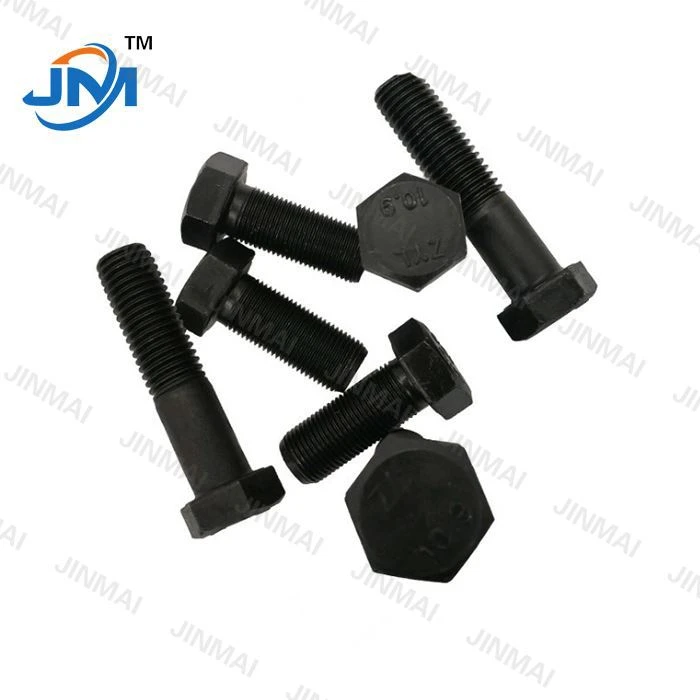

- Hot - dip Galvanized Anchor Bolts: These bolts are often used for anchoring structures to concrete or other solid surfaces. They're coated with a layer of zinc through a hot - dip process, which makes them resistant to corrosion. When tightening hot - dip galvanized anchor bolts, you need to be careful not to damage the zinc coating. A damaged coating can expose the bolt to rust and reduce its lifespan. Use a wrench that fits well and apply steady, even pressure.
- High Strength Square Head Bolt: Square head bolts are known for their high strength and are often used in heavy - duty applications. Because of their shape, they can be a bit trickier to tighten. You might need a special socket or wrench that's designed for square - head bolts. Make sure to follow the recommended torque values, as high - strength bolts are designed to withstand a lot of stress, but over - tightening can still cause problems.
- High Strength Fully Threaded Bolts: These bolts are fully threaded along their entire length, which gives them more holding power. When adjusting the tightness of fully threaded bolts, pay attention to how the threads engage. Make sure they're not cross - threaded, which can happen if you start turning the nut at an angle. Cross - threaded bolts can be difficult to tighten properly and might even break.
Common Mistakes to Avoid
- Over - tightening: This is one of the most common mistakes. People often think that the tighter the bolt, the better. But as I said earlier, over - tightening can lead to all sorts of problems, like stripped threads or broken bolts. Always follow the recommended torque values.
- Using the Wrong Tool: Using a wrench that's too big or too small for the bolt can cause damage. A loose - fitting wrench can round off the edges of the bolt or nut, making it difficult to tighten or remove in the future.
- Not Checking for Looseness Over Time: Even if you've tightened the bolts correctly initially, they can loosen over time due to vibration or changes in temperature. It's a good idea to check the tightness of bolts periodically, especially in applications where safety is a concern.
Conclusion
Adjusting the tightness of bolts might seem like a simple task, but it's actually a skill that requires attention to detail. By using the right tools, following the proper steps, and being aware of the special considerations for different types of bolts, you can ensure that your bolts are tightened correctly.
If you're in the market for high - quality bolts, we've got you covered. Whether you need Hot - dip Galvanized Anchor Bolts, High Strength Square Head Bolt, or High Strength Fully Threaded Bolts, we have a wide selection to meet your needs. Contact us to discuss your requirements and start a procurement process. We're here to help you find the perfect bolts for your projects.
References
- Machinery's Handbook, 31st Edition. This is a comprehensive reference book for mechanical engineers and technicians, which provides detailed information on bolt tightening and other mechanical processes.
- Automotive Repair Manuals. These manuals are specific to different makes and models of cars and contain valuable information on bolt torque specifications for various parts of the vehicle.