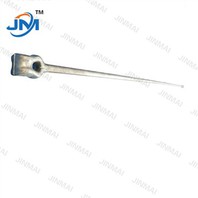
Hey there! As a supplier of ADSS cable hardware, I've seen firsthand how important it is to check the integrity of these components. ADSS (All-Dielectric Self-Supporting) cables are widely used in power and communication industries, and their hardware plays a crucial role in ensuring the overall performance and safety of the system. In this blog, I'll share some practical tips on how to check the integrity of ADSS cable hardware.
Visual Inspection
The first step in checking the integrity of ADSS cable hardware is a thorough visual inspection. This is a simple yet effective way to spot any obvious signs of damage or wear. Start by looking at the hardware for any cracks, dents, or deformities. Cracks can weaken the structure of the hardware and may lead to failure over time. Dents can also affect the performance of the hardware, especially if they interfere with the proper installation or connection of the cable.
Inspect the surface of the hardware for any signs of corrosion. Corrosion can eat away at the metal and reduce its strength. Look for rust, discoloration, or flaking paint. If you notice any corrosion, it's important to address it as soon as possible to prevent further damage.
Check the connections between the hardware components. Make sure all the bolts, nuts, and washers are tightened properly. Loose connections can cause the hardware to move or vibrate, which can lead to premature wear and failure. Also, look for any signs of misalignment or improper fitting. If the hardware doesn't fit together correctly, it may not function as intended.
Mechanical Testing
In addition to visual inspection, mechanical testing can provide more detailed information about the integrity of ADSS cable hardware. One common test is the tensile test, which measures the maximum amount of pulling force the hardware can withstand before breaking. This test is important because ADSS cables are often subjected to high tensile forces, especially in areas with strong winds or heavy ice loads.
To perform a tensile test, you'll need a testing machine that can apply a controlled pulling force. Attach the hardware to the testing machine and gradually increase the force until the hardware fails. Record the maximum force applied and compare it to the manufacturer's specifications. If the hardware fails at a lower force than expected, it may be a sign of a defect or damage.
Another mechanical test is the torque test, which measures the amount of rotational force required to tighten a bolt or nut. This test is important because proper torque is essential for ensuring a secure connection. Use a torque wrench to apply a specific amount of torque to the bolts and nuts. If the torque is too low, the connection may be loose; if it's too high, it may damage the hardware.
Electrical Testing
ADSS cable hardware often includes electrical components, such as insulators and connectors. These components need to be tested to ensure they are functioning properly and providing adequate electrical insulation. One common electrical test is the insulation resistance test, which measures the resistance of the insulation material to the flow of electric current.
To perform an insulation resistance test, you'll need a megohmmeter, which is a device that measures high resistance values. Connect the megohmmeter to the electrical component and apply a test voltage. The megohmmeter will display the insulation resistance value. Compare this value to the manufacturer's specifications. If the insulation resistance is too low, it may indicate a problem with the insulation, such as moisture ingress or damage.
Another electrical test is the voltage withstand test, which checks the ability of the insulation to withstand a specified voltage without breaking down. This test is important for ensuring the safety of the electrical system. Use a high-voltage testing device to apply a test voltage to the insulation for a specified period of time. If the insulation breaks down during the test, it needs to be replaced.
Environmental Considerations
The environment in which ADSS cable hardware is installed can also have a significant impact on its integrity. Extreme temperatures, humidity, and exposure to chemicals or pollutants can all cause damage to the hardware over time. When checking the integrity of ADSS cable hardware, it's important to consider the environmental conditions and take appropriate measures to protect the hardware.


In areas with high temperatures, the hardware may expand and contract, which can cause stress and fatigue. Look for signs of thermal expansion, such as warping or cracking. In cold climates, the hardware may be exposed to ice and snow, which can add additional weight and stress. Check for signs of ice damage, such as broken or bent components.
Humidity can also cause corrosion and moisture ingress. If the hardware is installed in a damp or humid environment, make sure it is properly sealed and protected. Consider using moisture-resistant coatings or enclosures to prevent moisture from reaching the hardware.
Exposure to chemicals or pollutants can also damage ADSS cable hardware. If the hardware is installed near industrial facilities or areas with high levels of pollution, it may be exposed to acids, alkalis, or other corrosive substances. Look for signs of chemical damage, such as discoloration or erosion.
Regular Maintenance
To ensure the long-term integrity of ADSS cable hardware, regular maintenance is essential. Establish a maintenance schedule and perform visual inspections, mechanical testing, and electrical testing at regular intervals. This will help you identify any potential problems early and take corrective action before they become serious.
During maintenance, clean the hardware to remove dirt, dust, and other debris. Use a mild detergent and a soft brush to clean the surface of the hardware. Avoid using abrasive cleaners or tools, as they can scratch the surface and damage the protective coating.
Lubricate the moving parts of the hardware to reduce friction and wear. Use a lubricant that is suitable for the type of hardware and the environmental conditions. Apply the lubricant according to the manufacturer's instructions.
Replace any damaged or worn hardware components as soon as possible. Don't try to repair hardware that is severely damaged, as it may not be safe or reliable. Always use high-quality replacement parts that are compatible with the existing hardware.
Conclusion
Checking the integrity of ADSS cable hardware is an important part of ensuring the safe and reliable operation of power and communication systems. By performing visual inspections, mechanical testing, electrical testing, and considering environmental factors, you can identify potential problems early and take corrective action. Regular maintenance is also essential to keep the hardware in good condition and prevent premature failure.
If you're in the market for high-quality ADSS cable hardware, we've got you covered. We offer a wide range of products, including Pole Line Hardware Forged Thimble Eye, Galvanized Pole Hook, and High Voltage Line Insulator. Our products are designed and manufactured to meet the highest standards of quality and performance.
If you have any questions or need more information about our ADSS cable hardware, feel free to reach out. We're here to help you find the right solutions for your needs. Let's work together to ensure the integrity of your ADSS cable system.
References
- Manufacturer's manuals and specifications for ADSS cable hardware
- Industry standards and guidelines for testing and maintenance of electrical equipment