Hey there! As a supplier of metal stamping parts, I've seen firsthand how crucial it is to choose the right metal stamping die. It can make or break the quality of your final product, not to mention the efficiency of your production process. So, let's dive into how you can pick the perfect die for your metal stamping parts.
Understanding Your Part Requirements
First things first, you need to have a crystal - clear understanding of your metal stamping part. What's its shape? Is it a simple flat piece or does it have complex geometries like bends, curves, or holes? For instance, if you're making a Plastic Overhead Line Cable Anchor Clamp For ADSS Cable, which has a specific shape to hold the cable securely, you'll need a die that can accurately form that shape.
The size of the part also matters a great deal. A small, delicate part will require a die with high precision and fine details. On the other hand, a large part might need a sturdier die that can handle the force required for stamping. And don't forget about the thickness of the metal. Thicker metals demand more powerful stamping and a die that can withstand the extra pressure.

Material Considerations
The type of metal you're using for your stamping parts is a game - changer when it comes to die selection. Different metals have different properties, such as hardness, ductility, and malleability. For example, if you're working with stainless steel, which is relatively hard, you'll need a die made from a material that can resist wear and tear. High - speed steel or carbide dies are often good choices for stamping stainless steel.
Aluminum, being more malleable, is easier to stamp. However, you still need a die that can maintain its shape and precision over multiple stamping cycles. Tool steel dies are commonly used for aluminum stamping as they offer a good balance of cost and performance.
Production Volume
How many parts do you need to produce? This is a key factor in choosing the right die. If you're only making a small batch of parts, say a few dozen, a simple and less expensive die like a prototype die might be sufficient. These dies are usually quicker to manufacture and cost less, but they may not be as durable as those for high - volume production.
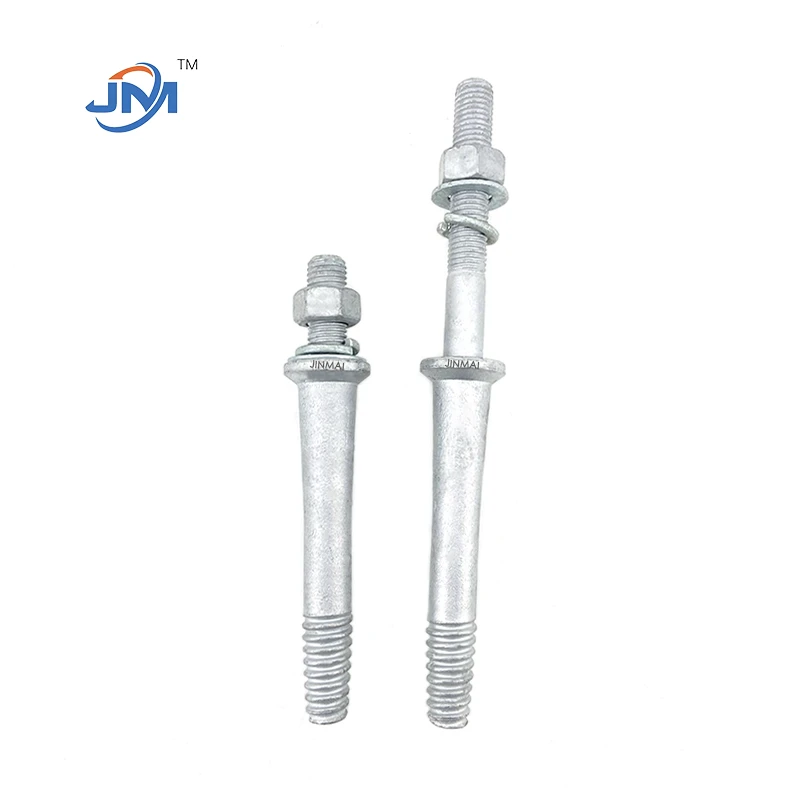
For large - scale production, where you're stamping thousands or even millions of parts, you'll want a more robust and long - lasting die. Progressive dies are a popular choice for high - volume production. They can perform multiple stamping operations in a single pass, which significantly increases the production speed and efficiency. For example, when producing Electrical Hardware Insulator Spindle in large quantities, a progressive die can save a lot of time and money.
Die Design and Complexity
The design of the die is another aspect to consider. A simple die design is easier to manufacture and maintain. It also reduces the chances of errors during the stamping process. However, if your part has complex features, you'll need a more intricate die design.
Multi - stage dies can be used to create parts with multiple bends, cuts, and forms. They allow you to perform different operations in a sequential manner, ensuring high precision. But keep in mind that more complex dies are more expensive to make and require more skill to operate and maintain.
Cost Analysis
Cost is always a concern in any manufacturing process. When choosing a metal stamping die, you need to consider both the initial cost of the die and the long - term costs. A high - quality die might be expensive upfront, but it can save you money in the long run by reducing the number of defective parts and increasing the production efficiency.
You also need to factor in the cost of die maintenance. Some dies require more frequent maintenance, which can add up over time. For example, dies used for stamping hard metals may wear out faster and need more frequent sharpening or replacement of parts.
Supplier Reputation
The reputation of the die supplier is very important. You want to work with a supplier who has a proven track record of producing high - quality dies. Look for reviews and testimonials from other customers. A reliable supplier will also offer good customer service, including technical support and after - sales service.
They should be able to provide you with detailed information about the die, such as its material, manufacturing process, and expected lifespan. A good supplier will also work closely with you to understand your specific requirements and customize the die accordingly.
Testing and Validation
Before you start full - scale production, it's a good idea to test the die. You can do a small - scale production run to check the quality of the stamped parts. Look for any signs of defects, such as cracks, burrs, or inaccurate dimensions. If there are any issues, the die can be adjusted or modified before you invest in a large - scale production.
Testing also allows you to optimize the stamping process. You can adjust parameters like the stamping force, speed, and lubrication to get the best results.
Conclusion
Choosing the right metal stamping die for your metal stamping parts is a complex but crucial process. By considering factors such as part requirements, material, production volume, die design, cost, supplier reputation, and testing, you can make an informed decision.
If you're in the market for metal stamping parts or need help with die selection, don't hesitate to reach out. We're here to assist you in getting the best - quality parts at a competitive price. Whether you need a Grating Clamp Hot Dip Galvanized For Power Line or any other metal stamping part, we've got you covered. Let's start a conversation and see how we can meet your needs.
References
- "Metal Stamping Handbook" by John Doe
- "Die Design for Metal Stamping" by Jane Smith
- Industry reports on metal stamping technology and trends