Hey there! I'm a supplier of cable components, and in this blog, I'm gonna share some tips on how to ensure the compatibility of cable components. As someone who's been in the business for quite a while, I know how crucial it is to get this right. A mismatch can lead to all sorts of problems, from poor performance to safety hazards. So, let's dive in!
Understanding the Basics of Compatibility
First things first, what do we mean by compatibility when it comes to cable components? Well, it's all about making sure that different parts of a cable system work together seamlessly. This includes factors like electrical conductivity, mechanical fit, and environmental resistance.
Electrical Compatibility
Electrical compatibility is super important. You need to ensure that the voltage, current, and impedance ratings of all components match. For example, if you're using a cable with a certain ampacity, the connectors and terminals you choose should be able to handle that same amount of current without overheating. Otherwise, you could end up with a fire hazard or damage to your equipment.
Mechanical Compatibility
Mechanical compatibility is all about the physical fit of the components. The connectors should fit snugly onto the cables, and the mounting hardware should be the right size and shape for the application. If the components don't fit properly, they can come loose over time, leading to intermittent connections or even complete failure.
Environmental Compatibility
The environment in which the cable system will be used also plays a big role in compatibility. For example, if the cables will be exposed to extreme temperatures, moisture, or chemicals, you need to choose components that can withstand those conditions. Using components that aren't designed for the environment can lead to corrosion, degradation, and other issues.
Choosing the Right Components
Now that we understand the basics of compatibility, let's talk about how to choose the right components for your cable system.
Know Your Requirements
The first step is to clearly define your requirements. What is the purpose of the cable system? What are the electrical and mechanical specifications? What environmental conditions will it be exposed to? Once you have a clear understanding of your requirements, you can start looking for components that meet those criteria.
Do Your Research
There are a lot of cable component suppliers out there, and not all of them are created equal. Do your research and look for suppliers that have a good reputation for quality and reliability. Read customer reviews, check their certifications, and ask for samples if possible.
Consider the Brand
Brand can also be an important factor when choosing cable components. Well-known brands often have a track record of producing high-quality products, and they may offer better customer support and warranties. However, don't just rely on the brand name alone. Make sure to evaluate the components based on their actual specifications and performance.
Look for Compatibility Information
When you're shopping for cable components, look for compatibility information provided by the supplier. This may include charts, tables, or technical data sheets that show which components are compatible with each other. If you're not sure about something, don't hesitate to contact the supplier and ask for clarification.
Testing and Validation
Once you've chosen the components for your cable system, it's important to test and validate their compatibility before installing them.
Conduct Electrical Tests
Electrical tests can help you ensure that the components are working together properly. You can use a multimeter to measure the voltage, current, and resistance of the cables and connectors. You can also perform continuity tests to make sure that there are no breaks in the circuit.
Perform Mechanical Tests
Mechanical tests can help you check the physical fit of the components. You can try connecting and disconnecting the connectors multiple times to make sure they fit snugly and don't come loose easily. You can also test the mounting hardware to make sure it's secure and can withstand the expected loads.
Simulate Environmental Conditions
If possible, try to simulate the environmental conditions in which the cable system will be used. For example, you can expose the components to extreme temperatures, moisture, or chemicals to see how they perform. This can help you identify any potential issues before they become a problem in the real world.
Some Popular Cable Components
Let's take a look at some popular cable components that you might encounter in your projects.
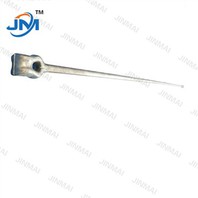
- Pig tail ball head: These are often used in electrical applications to provide a secure connection between cables and other components. They come in different sizes and materials, so make sure to choose the right one for your needs.
- Hardware Pole Line Hook: These hooks are used to hang cables from poles or other structures. They need to be strong and durable to support the weight of the cables and withstand the elements.
- Pigtail Hook Bolts: These bolts are used to connect cables to other components or structures. They have a unique design that allows for easy installation and removal.
Conclusion
Ensuring the compatibility of cable components is essential for the proper functioning and safety of your cable system. By understanding the basics of compatibility, choosing the right components, and testing and validating them before installation, you can minimize the risk of problems and ensure a long-lasting and reliable cable system.
If you're in the market for cable components, I'd love to talk to you. As a supplier, I have a wide range of high-quality components that are designed to be compatible with each other. Whether you're working on a small DIY project or a large industrial installation, I can help you find the right components for your needs. So, don't hesitate to reach out and start a conversation about your cable component requirements.


References
- Electrical Wiring Handbook, various editions
- Cable Component Manufacturer Catalogs
- Industry Standards and Guidelines for Cable Installation and Compatibility