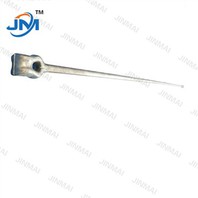
Hey there! I'm a supplier of Galvanized Cross Arms, and I've seen firsthand how important it is to keep these things in tip - top shape. Galvanized cross arms are used in all sorts of overhead line systems, and they play a crucial role in supporting power lines, telecommunication cables, and more. In this blog, I'll share some tips on how to maintain a galvanized cross arm so it can serve you well for years to come.
Understanding Galvanized Cross Arms
Before we jump into maintenance, let's quickly talk about what galvanized cross arms are. These are typically made from steel and then coated with a layer of zinc through a process called galvanization. The zinc coating acts as a protective barrier, preventing the steel from rusting and corroding. This makes galvanized cross arms durable and long - lasting, even in harsh environmental conditions.


There are different types of cross arms available, like the Steel Angle Cross Arm and Cable Accessories Iron Cross Arm. They come in various sizes and designs to meet different installation requirements.
Regular Inspections
The first step in maintaining a galvanized cross arm is regular inspections. You should check your cross arms at least once a year, or more frequently if they're in an area with extreme weather conditions or high levels of pollution.
- Visual Inspection: Start by taking a good look at the cross arm. Look for any signs of physical damage, such as cracks, bends, or dents. These can weaken the structure and make it more prone to failure. Also, check the galvanized coating. If you see any areas where the zinc is peeling, flaking, or has been scratched off, it's a sign that the underlying steel may be at risk of corrosion.
- Connection Check: Make sure all the bolts, nuts, and other connection points are tight. Loose connections can cause the cross arm to shift or even fall, which is a serious safety hazard. You can use a torque wrench to ensure that the fasteners are tightened to the recommended specifications.
Cleaning
Cleaning your galvanized cross arm is another important maintenance task. Dirt, grime, and other contaminants can build up on the surface over time, which can accelerate the corrosion process.
- Mild Soap and Water: For general cleaning, you can use a mild soap and water solution. Use a soft brush or sponge to gently scrub the surface of the cross arm. Rinse it thoroughly with clean water to remove all the soap residue. Avoid using abrasive cleaners or tools, as they can damage the galvanized coating.
- Removing Stubborn Stains: If there are stubborn stains or rust spots, you can use a specialized galvanized cleaner. These cleaners are designed to remove rust and other contaminants without harming the zinc coating. Follow the manufacturer's instructions carefully when using these products.
Protecting the Galvanized Coating
The galvanized coating is what gives the cross arm its corrosion resistance, so it's important to protect it.
- Avoid Physical Damage: When handling or installing the cross arm, be careful not to scratch or damage the galvanized coating. Use appropriate lifting equipment and techniques to prevent any unnecessary impact.
- Touch - up Painting: If you do notice any areas where the galvanized coating has been damaged, you can use a zinc - rich paint to touch up the affected areas. These paints contain a high percentage of zinc, which helps to prevent corrosion. Apply the paint according to the manufacturer's instructions.
Environmental Considerations
The environment where the cross arm is installed can have a big impact on its lifespan.
- Corrosive Environments: If the cross arm is installed in a corrosive environment, such as near the ocean or in an industrial area with high levels of pollution, you may need to take extra precautions. Consider using a higher - grade galvanized coating or additional protective measures, such as a polymer coating.
- Weather Conditions: Extreme weather conditions, such as heavy rain, snow, or high winds, can also affect the cross arm. Make sure the cross arm is properly installed and secured to withstand these conditions. You may also want to consider installing additional support structures if necessary.
Storage and Handling
Proper storage and handling of galvanized cross arms are important to prevent damage before installation.
- Storage: When storing cross arms, keep them in a dry, well - ventilated area. Avoid storing them in direct contact with the ground or other metal surfaces, as this can cause galvanic corrosion. You can use wooden pallets or racks to keep the cross arms off the ground.
- Handling: When transporting cross arms, make sure they are properly secured to prevent them from shifting or colliding with other objects. Use appropriate lifting equipment and techniques to avoid any damage to the galvanized coating.
Working with Hot Dip Galvanized Overhead Line Hardware
Galvanized cross arms are often used in conjunction with other hot - dip galvanized overhead line hardware. It's important to ensure that all the components are compatible and properly installed.
- Compatibility: Make sure that all the hardware, such as bolts, nuts, and clamps, are also made of galvanized steel. Using non - galvanized hardware can cause galvanic corrosion, which can shorten the lifespan of the cross arm.
- Proper Installation: Follow the manufacturer's installation instructions carefully when installing the cross arm and other hardware. This will ensure that the system is safe and reliable.
Conclusion
Maintaining a galvanized cross arm is not that difficult, but it does require some regular attention. By following these tips, you can extend the lifespan of your cross arms and ensure that they continue to perform their function safely and effectively.
If you're in the market for high - quality galvanized cross arms or have any questions about maintenance, don't hesitate to reach out. We're here to help you find the right products for your needs and provide you with the support you need to keep them in great condition. Whether you're a utility company, a contractor, or an individual looking for a reliable solution for your overhead line systems, we've got you covered. Let's start a conversation about your requirements and see how we can work together.
References
- ASTM International. (20XX). Standard Specification for Zinc - Coated (Galvanized) Steel Bars, Billets, Blooms, and Forgings.
- Galvanizers Association. (20XX). Best Practices for Galvanized Steel Maintenance.
- Manufacturer's manuals for galvanized cross arms and related hardware.