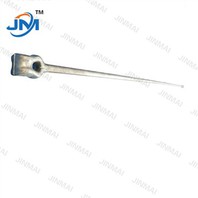
Maintaining a galvanized pole hook is crucial for ensuring its longevity, safety, and optimal performance. As a supplier of Galvanized Pole Hooks, I understand the importance of providing customers with the knowledge and guidance on how to properly maintain these essential tools. In this blog post, I will share some valuable tips and best practices on how to maintain a galvanized pole hook effectively.
Understanding Galvanized Pole Hooks
Before delving into maintenance, it's essential to understand what a galvanized pole hook is and why it's widely used. Galvanized pole hooks are typically made of steel and coated with a layer of zinc through a galvanization process. This zinc coating serves as a protective barrier, preventing the steel from rusting and corroding when exposed to the elements. These hooks are commonly used in various industries, including telecommunications, electrical, and construction, for tasks such as hanging cables, wires, and other equipment on poles.
Regular Inspection
Regular inspection is the first step in maintaining a galvanized pole hook. Inspect the hook thoroughly before and after each use to check for any signs of damage, wear, or corrosion. Look for cracks, bends, or any other visible defects that could compromise the hook's integrity. Pay special attention to the areas where the hook attaches to the pole or other equipment, as these areas are more prone to stress and wear.
If you notice any damage during the inspection, do not use the hook. Instead, replace it immediately to avoid any potential safety hazards. It's also a good idea to keep a record of your inspections, including the date, the condition of the hook, and any actions taken. This record can help you track the hook's performance over time and identify any trends or issues that may require further attention.
Cleaning
Cleaning the galvanized pole hook regularly is essential to remove dirt, debris, and other contaminants that can accumulate on the surface. Use a mild detergent and warm water to clean the hook, and a soft brush or cloth to scrub away any stubborn dirt or grime. Avoid using abrasive cleaners or tools that could scratch or damage the zinc coating.
After cleaning, rinse the hook thoroughly with clean water to remove any soap residue. Dry the hook completely with a clean cloth or allow it to air dry before storing it. Moisture can cause the zinc coating to corrode, so it's important to ensure that the hook is completely dry before storing it.
Lubrication
Lubricating the moving parts of the galvanized pole hook can help reduce friction and wear, ensuring smooth operation and extending the hook's lifespan. Use a high-quality lubricant specifically designed for metal surfaces, such as a silicone-based lubricant or a light machine oil. Apply the lubricant sparingly to the pivot points, joints, and other moving parts of the hook, and wipe away any excess lubricant with a clean cloth.
Be careful not to over-lubricate the hook, as this can attract dirt and debris, which can cause more damage in the long run. Also, avoid using lubricants that contain solvents or other chemicals that could damage the zinc coating.
Storage
Proper storage is crucial for maintaining the galvanized pole hook's condition. Store the hook in a dry, clean, and well-ventilated area away from direct sunlight, moisture, and other corrosive substances. Hang the hook on a hook or rack to prevent it from coming into contact with other objects, which could cause scratches or damage to the zinc coating.
If you need to store the hook for an extended period, consider applying a thin layer of protective oil or wax to the surface to prevent rust and corrosion. You can also wrap the hook in a protective covering, such as a plastic bag or a cloth, to further protect it from dust and debris.


Protection from the Elements
Galvanized pole hooks are designed to withstand outdoor conditions, but they are still susceptible to damage from the elements. If the hook is exposed to extreme weather conditions, such as heavy rain, snow, or high humidity, it's important to take extra precautions to protect it.
During periods of heavy rain or snow, consider covering the hook with a waterproof tarp or other protective covering to prevent water from accumulating on the surface. If the hook is exposed to saltwater or other corrosive substances, rinse it thoroughly with clean water as soon as possible to remove any salt or other contaminants.
Replacement of Worn Parts
Over time, the moving parts of the galvanized pole hook may wear out and need to be replaced. This includes the pivot points, joints, and other components that are subject to frequent use and stress. Regularly inspect these parts for signs of wear, such as excessive play, looseness, or damage.
If you notice any signs of wear, replace the worn parts immediately with genuine replacement parts from the manufacturer. Using non-genuine parts can compromise the hook's performance and safety, so it's important to use only high-quality replacement parts that are designed specifically for your hook.
Training and Education
Proper training and education are essential for ensuring that your employees or users know how to use and maintain the galvanized pole hook correctly. Provide comprehensive training on the hook's proper use, inspection, cleaning, lubrication, and storage procedures. Make sure that all users understand the importance of following these procedures to ensure the hook's safety and longevity.
You can also provide educational materials, such as user manuals, safety guides, and training videos, to help users learn how to use and maintain the hook correctly. Encourage users to ask questions and seek assistance if they have any concerns or issues with the hook.
Conclusion
Maintaining a galvanized pole hook is essential for ensuring its safety, performance, and longevity. By following the tips and best practices outlined in this blog post, you can keep your galvanized pole hook in good condition and avoid any potential safety hazards. Remember to inspect the hook regularly, clean it thoroughly, lubricate the moving parts, store it properly, protect it from the elements, replace worn parts as needed, and provide proper training and education to your employees or users.
If you have any questions or need further assistance with maintaining your galvanized pole hook, please do not hesitate to contact us. As a leading supplier of Galvanized Pole Hooks, we are committed to providing our customers with the highest quality products and services. We offer a wide range of Galvanized Pole Hook options to meet your specific needs, as well as other related products such as Stay Rod Stay Plate and Pole Line Hardware Forged Thimble Eye. Contact us today to learn more about our products and how we can help you with your pole hook needs.
References
- Manufacturer's user manuals and safety guides for galvanized pole hooks.
- Industry standards and best practices for the maintenance of metal equipment.
- Research studies on the corrosion resistance of galvanized steel.