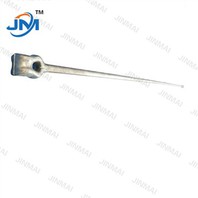
Parallel groove clamps are essential components in electrical power systems, used to connect electrical conductors in a parallel configuration. As a reputable supplier of parallel groove clamps, I understand the importance of proper maintenance to ensure their optimal performance and longevity. In this blog post, I will share some valuable insights on how to maintain parallel groove clamps effectively.
Understanding Parallel Groove Clamps
Before delving into maintenance procedures, it's crucial to have a basic understanding of parallel groove clamps. These clamps are designed to provide a secure and low-resistance connection between two or more electrical conductors. They typically consist of two or more parallel grooves where the conductors are placed, and bolts or screws are used to tighten the clamp around the conductors, creating a reliable electrical connection.
Parallel groove clamps are commonly used in overhead power lines, distribution networks, and various electrical installations. They are available in different sizes and materials to accommodate different conductor sizes and environmental conditions.
Importance of Maintenance
Proper maintenance of parallel groove clamps is essential for several reasons. Firstly, it ensures the safety of the electrical system. Loose or corroded clamps can cause increased resistance, leading to overheating and potential fire hazards. Secondly, regular maintenance helps to maintain the electrical performance of the clamps, ensuring efficient power transmission and reducing energy losses. Finally, well-maintained clamps have a longer service life, reducing the need for frequent replacements and saving costs in the long run.
Maintenance Procedures
Visual Inspection
Regular visual inspections are the first step in maintaining parallel groove clamps. Inspect the clamps for any signs of damage, such as cracks, deformation, or corrosion. Check the bolts or screws for tightness and ensure that they are properly secured. Look for any signs of overheating, such as discoloration or melting of the clamp material.
During the inspection, pay close attention to the contact surfaces between the clamp and the conductors. These surfaces should be clean and free from dirt, debris, or oxidation. Any contaminants on the contact surfaces can increase resistance and affect the electrical performance of the clamp.
Cleaning
If the contact surfaces of the parallel groove clamps are dirty or corroded, they should be cleaned to restore good electrical contact. Use a soft brush or cloth to remove any dirt or debris from the surfaces. For stubborn corrosion, a mild abrasive or a specialized cleaning solution can be used. However, be careful not to damage the clamp material during the cleaning process.
After cleaning, dry the contact surfaces thoroughly to prevent further corrosion. Apply a thin layer of anti-corrosion compound to the contact surfaces to protect them from future oxidation.
Tightening
Over time, the bolts or screws of the parallel groove clamps may loosen due to vibration or thermal expansion. It is important to check the tightness of the bolts regularly and retighten them if necessary. Use a torque wrench to ensure that the bolts are tightened to the recommended torque specification.
Tightening the bolts too much can damage the clamp or the conductors, while not tightening them enough can result in a loose connection and increased resistance. Therefore, it is crucial to follow the manufacturer's instructions regarding the proper torque value.
Lubrication
Lubrication is an important part of maintaining parallel groove clamps, especially in outdoor or high-humidity environments. Apply a suitable lubricant to the moving parts of the clamp, such as the bolts and nuts, to prevent corrosion and ensure smooth operation.
The lubricant should be compatible with the clamp material and should not affect the electrical performance of the clamp. Silicone-based lubricants are often recommended for electrical applications as they provide good protection against corrosion and have low electrical conductivity.
Environmental Protection
Parallel groove clamps are exposed to various environmental conditions, such as moisture, dust, and chemicals. To protect the clamps from these elements, it is important to install them in a suitable location and provide appropriate environmental protection.
For outdoor installations, consider using weatherproof enclosures or covers to shield the clamps from rain, snow, and sunlight. In industrial environments, where there may be exposure to chemicals or corrosive substances, use clamps made of corrosion-resistant materials or apply a protective coating to the clamps.
Common Maintenance Issues and Solutions
Corrosion
Corrosion is one of the most common problems with parallel groove clamps, especially in outdoor or coastal environments. Corrosion can cause increased resistance, reduced electrical performance, and even structural damage to the clamps.
To prevent corrosion, it is important to choose clamps made of corrosion-resistant materials, such as stainless steel or aluminum. Apply a protective coating or anti-corrosion compound to the clamps during installation and perform regular maintenance to remove any corrosion that may have formed.
Loose Connections
Loose connections can occur due to vibration, thermal expansion, or improper installation. Loose connections can cause increased resistance, overheating, and potential fire hazards.
To prevent loose connections, ensure that the clamps are properly installed and tightened to the recommended torque specification. Check the tightness of the bolts regularly and retighten them if necessary. Use lock washers or other locking devices to prevent the bolts from loosening.
Overheating
Overheating can occur due to a variety of reasons, such as loose connections, high current flow, or poor ventilation. Overheating can damage the clamp material, reduce its electrical performance, and even cause a fire.
To prevent overheating, ensure that the clamps are properly sized for the conductors and the electrical load. Check the current flow regularly and ensure that it does not exceed the rated capacity of the clamps. Provide adequate ventilation around the clamps to dissipate heat.


Conclusion
Maintaining parallel groove clamps is essential for ensuring the safety and reliability of electrical power systems. By following the maintenance procedures outlined in this blog post, you can extend the service life of the clamps, reduce the risk of electrical failures, and save costs in the long run.
As a supplier of parallel groove clamps, I am committed to providing high-quality products and excellent customer service. If you have any questions or need further information about parallel groove clamps or their maintenance, please feel free to contact me. We are always happy to assist you with your electrical power fitting needs.
In addition to parallel groove clamps, we also offer a wide range of other electrical power fittings, such as Hook for Power Fittings, ADSS Cable Fittings, and Electric Power Fitting cross Arm Connector. If you are interested in these products, please don't hesitate to get in touch with us for more details and to discuss your specific requirements.
References
- Electrical Power Fitting Handbook
- Manufacturer's Instructions for Parallel Groove Clamps