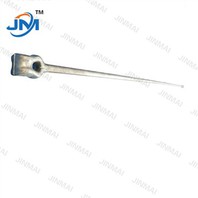
Selecting a reliable overhead line fitting supplier is a crucial decision for any company involved in the power transmission and distribution industry. As an overhead line fitting supplier myself, I understand the challenges and considerations that go into this selection process. In this blog post, I will share some key factors to consider when choosing a supplier to ensure you make an informed and beneficial decision.
Quality Assurance
One of the most important aspects of selecting an overhead line fitting supplier is their commitment to quality. High - quality fittings are essential for the safety and reliability of overhead power lines. A reliable supplier should have a comprehensive quality management system in place. This includes strict quality control measures at every stage of the production process, from raw material sourcing to the final product inspection.
For instance, a good supplier will use high - grade materials for their fittings. Hot - dipped galvanized coatings are often used to protect the fittings from corrosion, which is a major concern in outdoor environments. You can learn more about Hot Dip Galvanized Overhead Line Hardware. The supplier should be able to provide certifications such as ISO 9001, which indicates that they follow international quality management standards. Additionally, they should have their products tested by independent third - party laboratories to ensure compliance with industry standards.
Product Range
A diverse product range is another key factor. Overhead line projects can vary greatly in terms of complexity and requirements. A supplier that offers a wide variety of fittings can meet different project needs without you having to source from multiple vendors. This not only simplifies the procurement process but also ensures compatibility between different components.
Some common types of overhead line fittings include insulators, clamps, connectors, and clevises. For example, Hot Dip Galvanized Secondary Clevis is an important component in many overhead line systems. A comprehensive supplier should also be able to offer specialized fittings for specific applications, such as those used in high - voltage transmission lines or in areas with extreme weather conditions.
Technical Expertise
Technical expertise is vital when it comes to overhead line fittings. A reliable supplier should have a team of experienced engineers and technicians who can provide technical support. They should be able to assist with product selection, installation guidance, and troubleshooting.
For example, during the Electric Power Stringing process, the right fittings and proper installation are crucial. The supplier's technical team can offer advice on the appropriate tensioning forces, the best type of fittings for different conductor materials, and how to avoid common installation mistakes. They can also help in custom - designing fittings if the standard products do not meet your specific project requirements.
Production Capacity
Production capacity is a significant consideration, especially for large - scale projects. You need a supplier that can meet your quantity requirements within the specified time frame. A supplier with a large production facility and efficient manufacturing processes can ensure timely delivery of your orders.
They should have the ability to scale up production if needed. This requires having a well - organized supply chain for raw materials and a skilled workforce. A supplier that can demonstrate a history of on - time delivery for similar projects is more likely to be reliable in meeting your production needs.
Pricing and Cost - Effectiveness
While quality should never be compromised, pricing is also an important factor. You need to find a supplier that offers competitive prices without sacrificing product quality. A reliable supplier will be transparent about their pricing structure and will provide detailed quotes that include all costs, such as material costs, manufacturing costs, and shipping costs.
It's important to compare prices from different suppliers, but also consider the long - term cost - effectiveness. A slightly higher - priced product from a reliable supplier may be more cost - effective in the long run due to its durability and lower maintenance requirements.
Reputation and Customer Reviews
The reputation of a supplier is a strong indicator of their reliability. You can research the supplier's reputation by looking at customer reviews and testimonials. Online platforms, industry forums, and trade associations can be good sources of information.
A supplier with a positive reputation is likely to have a history of providing high - quality products and excellent customer service. They will also be more likely to stand behind their products and address any issues that may arise after the sale. You can also ask for references from the supplier and contact their existing customers to get first - hand feedback on their experience.
After - Sales Service
After - sales service is an often - overlooked but crucial aspect. A reliable supplier should offer a comprehensive after - sales service. This includes warranty policies, replacement of defective products, and technical support after installation.
In case of any problems with the fittings during the operation of the overhead line, the supplier should be able to respond quickly and provide solutions. They should have a dedicated customer service team that can be easily reached and is willing to go the extra mile to ensure customer satisfaction.
Environmental Responsibility
In today's world, environmental responsibility is becoming increasingly important. A reliable overhead line fitting supplier should be committed to sustainable manufacturing practices. This includes using environmentally friendly materials, reducing waste during the production process, and ensuring proper disposal of any hazardous materials.


Suppliers that are environmentally conscious are not only better for the planet but may also be more in line with the requirements of some projects and regulatory bodies.
Conclusion
Selecting a reliable overhead line fitting supplier requires careful consideration of multiple factors. Quality assurance, product range, technical expertise, production capacity, pricing, reputation, after - sales service, and environmental responsibility are all important aspects to evaluate.
As an overhead line fitting supplier, I am committed to providing high - quality products, a wide product range, and excellent technical support. If you are in the process of selecting a supplier for your overhead line projects, I encourage you to reach out to us for a detailed discussion. We can help you find the right fittings for your specific needs and ensure a smooth and successful project. Contact us to start the procurement and negotiation process and take the first step towards a reliable overhead line system.
References
- International Electrotechnical Commission (IEC) standards on overhead line fittings.
- ISO 9001 Quality Management System standards.
- Industry publications on power transmission and distribution.