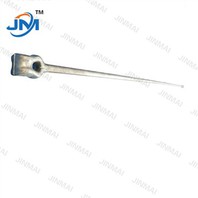
Hey there! As a supplier of metal stamping parts, I've seen firsthand how crucial proper storage is for these products. Metal stamping parts come in all shapes and sizes, and they're used in a wide range of industries, from automotive to electronics. If you don't store them correctly, you could end up with parts that are damaged, corroded, or just plain useless. So, in this blog post, I'm going to share some tips on how to store metal stamping parts properly.
1. Clean the Parts Before Storage
Before you store your metal stamping parts, it's important to clean them thoroughly. This helps to remove any dirt, oil, or debris that could cause corrosion or other damage over time. You can use a mild detergent and water to clean the parts, or you can use a specialized metal cleaner. Just make sure to dry the parts completely before storing them to prevent rust.
For example, if you're dealing with Hot Dip Galvanized Wire Rope Thimbles, cleaning them will not only keep them looking good but also extend their lifespan. Even though they're galvanized, dirt and debris can still cause issues if left on the surface for too long.
2. Choose the Right Storage Environment
The environment where you store your metal stamping parts can have a big impact on their condition. Ideally, you want to store them in a cool, dry place with low humidity. High humidity can cause metal to rust and corrode, so it's important to keep the relative humidity below 50%.
You can use a dehumidifier in the storage area to control the humidity. Also, make sure the storage area is well-ventilated to prevent the buildup of moisture and fumes. Avoid storing the parts near sources of heat or moisture, such as boilers, pipes, or windows.
If you're storing Bolt Fixing Gear Ring Stud Bolt, a stable environment is key. Fluctuations in temperature and humidity can cause the bolts to expand and contract, which might affect their fit and performance over time.
3. Use Appropriate Storage Containers
The type of storage containers you use for your metal stamping parts is also important. You want to use containers that are sturdy, clean, and non-reactive with the metal. Plastic bins, metal cabinets, and wooden crates are all good options.


Make sure the containers are labeled clearly with the part name, quantity, and any other relevant information. This will make it easier to find the parts when you need them. You can also use dividers or trays inside the containers to keep the parts organized and prevent them from scratching or damaging each other.
For Electric Iron Parts Stamping Parts, using small plastic containers with compartments can be a great way to keep the different parts separated and protected.
4. Implement a First-In, First-Out (FIFO) System
A FIFO system is a method of inventory management where the first items received are the first ones to be used or shipped. This is important for metal stamping parts because the longer they sit in storage, the more likely they are to develop problems.
By using a FIFO system, you can ensure that your oldest parts are used first, which helps to reduce the risk of corrosion, damage, and obsolescence. You can label the containers with the date of receipt and arrange them in a way that makes it easy to access the oldest stock first.
5. Protect the Parts from Physical Damage
Metal stamping parts can be easily damaged by physical impacts, scratches, and abrasions. To prevent this, you should handle the parts with care and use appropriate lifting and handling equipment.
When moving the parts, use pallets, forklifts, or hand trucks to avoid dropping or bumping them. You can also use protective padding, such as foam or rubber, to cushion the parts during transportation and storage.
For example, if you're moving large metal stamping parts, make sure they're properly secured on the pallet to prevent them from shifting and getting damaged.
6. Regularly Inspect the Parts
Even if you're storing your metal stamping parts properly, it's still a good idea to inspect them regularly. This allows you to catch any signs of damage, corrosion, or other issues early on and take appropriate action.
You can perform visual inspections on a monthly or quarterly basis, depending on the type of parts and the storage conditions. Look for signs of rust, discoloration, deformation, or any other visible damage. If you notice any problems, you can either repair the parts or replace them as needed.
7. Consider Coating or Treating the Parts
In some cases, it might be beneficial to coat or treat your metal stamping parts before storage. There are various types of coatings and treatments available, such as oil coatings, paint coatings, and anti-corrosion treatments.
These coatings can provide an extra layer of protection against rust, corrosion, and other environmental factors. However, you need to make sure that the coating or treatment is compatible with the metal and the intended use of the parts.
For instance, if you're storing parts that will be used in a harsh environment, a more durable anti-corrosion coating might be a good investment.
8. Keep Records of Storage Conditions
It's a good practice to keep records of the storage conditions, including temperature, humidity, and any other relevant factors. This can help you identify any trends or issues that might be affecting the quality of your parts.
You can use a data logger or a simple logbook to record the storage conditions on a regular basis. This information can also be useful for quality control purposes and for demonstrating compliance with industry standards.
Why Proper Storage Matters
Proper storage of metal stamping parts is not just about keeping them in good condition. It also has a direct impact on your bottom line. When your parts are stored correctly, you reduce the risk of product returns, warranty claims, and production delays.
Customers expect high-quality metal stamping parts, and if you can deliver them consistently, you'll build a good reputation in the market. This can lead to more business and long-term relationships with your clients.
Conclusion
Storing metal stamping parts properly is essential for maintaining their quality and performance. By following these tips, you can ensure that your parts stay in good condition for as long as possible.
If you're in the market for high-quality metal stamping parts, I'd love to talk to you. Whether you need Hot Dip Galvanized Wire Rope Thimbles, Bolt Fixing Gear Ring Stud Bolt, Electric Iron Parts Stamping Parts, or any other type of metal stamping part, I can provide you with the products you need. Just reach out, and we can start discussing your requirements and how I can meet them.
References
- "Metal Finishing Guidebook" by Peter K. Schell
- "Corrosion Prevention and Control in the Oil and Gas Industry" by NACE International
- "Inventory Management: Principles and Practices" by David F. Pyke