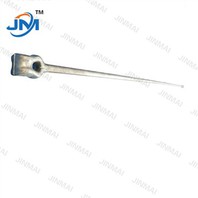
Hey there! As a supplier of pin type insulators, I've seen firsthand the importance of proper storage. Pin type insulators are crucial components in electrical systems, and how you store them can significantly impact their performance and lifespan. In this blog, I'll share some tips on how to store pin type insulators properly.
Why Proper Storage Matters
First off, let's talk about why proper storage is so important. Pin type insulators are made of materials like porcelain or composite polymers, which can be sensitive to environmental conditions. If they're not stored correctly, they can get damaged, leading to reduced insulation performance and potential safety hazards. For example, exposure to moisture can cause corrosion on metal parts and degradation of the insulating material. Extreme temperatures can also affect the mechanical and electrical properties of the insulators. So, by storing them properly, you can ensure that they remain in good condition and perform as expected when installed.
Choosing the Right Storage Location
The first step in proper storage is choosing the right location. You want to find a place that's dry, clean, and well-ventilated. Avoid areas that are prone to flooding or high humidity, as moisture can cause serious damage to the insulators. A climate-controlled storage facility is ideal, but if that's not an option, you can use a shed or a garage as long as you take steps to keep it dry.
Make sure the storage area is away from sources of heat and direct sunlight. High temperatures can cause the insulating material to expand and contract, which can lead to cracking and other damage. Sunlight can also cause discoloration and degradation of the surface of the insulators over time.
Preparing the Insulators for Storage
Before you store the pin type insulators, it's important to clean them thoroughly. Use a soft brush or a cloth to remove any dirt, dust, or debris from the surface of the insulators. You can also use a mild detergent and water to clean them, but make sure to rinse them thoroughly and dry them completely before storing.
Inspect the insulators for any signs of damage, such as cracks, chips, or scratches. If you find any damaged insulators, set them aside and don't store them with the rest. Damaged insulators can pose a safety risk and should be replaced or repaired before use.
Storing the Insulators
Once the insulators are clean and dry, it's time to store them. You can stack the insulators on a pallet or a shelf, but make sure to use padding to protect them from scratches and damage. You can use foam or rubber pads to cushion the insulators and prevent them from rubbing against each other.
If you're storing a large number of insulators, you may want to consider using a storage rack. A storage rack can help you organize the insulators and make them easier to access. Make sure the storage rack is sturdy and can support the weight of the insulators.
When stacking the insulators, make sure to stack them in a way that doesn't put too much pressure on the top of the insulators. You can stack them in a pyramid shape or in rows, but make sure to leave enough space between the stacks to allow for ventilation.
Protecting the Insulators from Damage
In addition to choosing the right storage location and preparing the insulators for storage, you also need to take steps to protect them from damage. One way to do this is to cover the insulators with a tarp or a plastic sheet. This can help protect them from dust, dirt, and moisture.
You can also use a storage container to protect the insulators. A storage container can provide an extra layer of protection and can help keep the insulators organized. Make sure the storage container is made of a durable material and has a tight-fitting lid.
Monitoring the Storage Conditions
Once the insulators are stored, it's important to monitor the storage conditions regularly. Check the storage area for signs of moisture, such as condensation or water stains. If you notice any signs of moisture, take steps to dry the area and protect the insulators.


You should also check the insulators themselves for any signs of damage or degradation. Look for cracks, chips, or discoloration on the surface of the insulators. If you notice any problems, take action immediately to prevent further damage.
Additional Tips for Storage
Here are some additional tips to keep in mind when storing pin type insulators:
- Keep the storage area locked to prevent unauthorized access.
- Label the storage containers or racks to make it easier to find the insulators you need.
- Rotate the stock regularly to ensure that the oldest insulators are used first.
- If you're storing the insulators for a long period of time, consider inspecting them every few months to make sure they're still in good condition.
Related Products for Pole Line Hardware
When it comes to pole line hardware, we also offer some great products that you might find useful. For example, our Pole Line Hardware Forged Thimble Eye is a high-quality product that's designed to provide reliable support for your electrical cables. It's made of durable materials and is built to last.
We also have Hot-dip Galvanizing Bolt that are perfect for securing your insulators and other hardware. These bolts are coated with a hot-dip galvanizing process, which provides excellent corrosion resistance and ensures a long lifespan.
And if you need ground clamps, our Hot Dip Galvanized Strand Ground Clamps are a great choice. They're designed to provide a secure connection between the cable and the ground, which is essential for safety.
Conclusion
Proper storage of pin type insulators is essential for maintaining their performance and lifespan. By choosing the right storage location, preparing the insulators for storage, and taking steps to protect them from damage, you can ensure that your insulators remain in good condition and are ready to use when you need them.
If you have any questions about storing pin type insulators or if you're interested in purchasing our products, please don't hesitate to contact us. We're here to help you find the right solutions for your electrical needs.
References
- Electrical Insulator Handbook, Third Edition
- IEEE Standards for Insulators
- Manufacturer's Guidelines for Pin Type Insulators