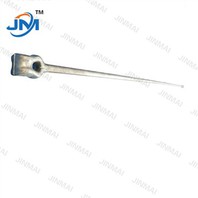
Hey there! As a supplier of line iron parts, I've been in the industry long enough to know that sometimes, you might be on the hunt for alternatives to these parts. Whether it's due to cost, availability, or specific project requirements, there are several options out there. Let's dive into what those alternatives could be.
1. Plastic Components
Plastic has come a long way in recent years, and it's now a viable alternative for many applications where line iron parts were traditionally used. One of the biggest advantages of plastic is its cost. It's generally much cheaper to produce than iron, which can save you a significant amount of money, especially for large - scale projects.
Plastic components are also lightweight. This can be a huge plus if you're working on something where weight is a concern, like in the aerospace or automotive industries. They're also resistant to corrosion, which is a major issue with iron parts, especially in outdoor or wet environments.
However, plastic does have its limitations. It's not as strong as iron, so it might not be suitable for applications that require high strength and durability. For example, if you're dealing with heavy - duty electrical transmission lines, plastic might not be able to withstand the stress.
2. Aluminum Parts
Aluminum is another great alternative to line iron parts. It's lightweight, like plastic, but it also has a relatively high strength - to - weight ratio. This means that it can handle a fair amount of stress while still being easy to work with and transport.
Aluminum is highly resistant to corrosion, which makes it a great choice for outdoor applications. It doesn't rust like iron, so it can last a long time without significant degradation. Plus, it's a very malleable material, which means it can be easily shaped into different forms to meet your specific needs.
On the downside, aluminum is more expensive than iron in some cases. Also, it has a lower melting point than iron, so it might not be suitable for applications where high temperatures are involved.
3. Composite Materials
Composite materials are made by combining two or more different materials to create a new material with unique properties. For example, fiberglass - reinforced composites are strong, lightweight, and resistant to corrosion.
These materials can be tailored to have specific characteristics depending on the project requirements. They can be designed to have high strength in certain directions, or to be flexible in others. This makes them very versatile for a wide range of applications.
However, composite materials can be expensive to produce, and the manufacturing process can be complex. They also require specialized equipment and expertise to work with, which might not be available in all areas.
4. Other Metal - Stamping Parts
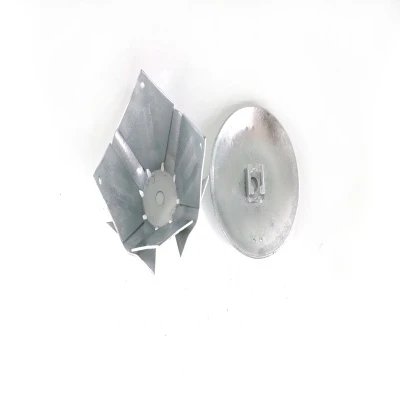
There are also other metal - stamping parts that can serve as alternatives to line iron parts. For instance, Way Anchor Expanding is a type of metal - stamping part that can be used in various applications. It's designed to provide a secure anchor, which can be useful in construction or electrical projects.
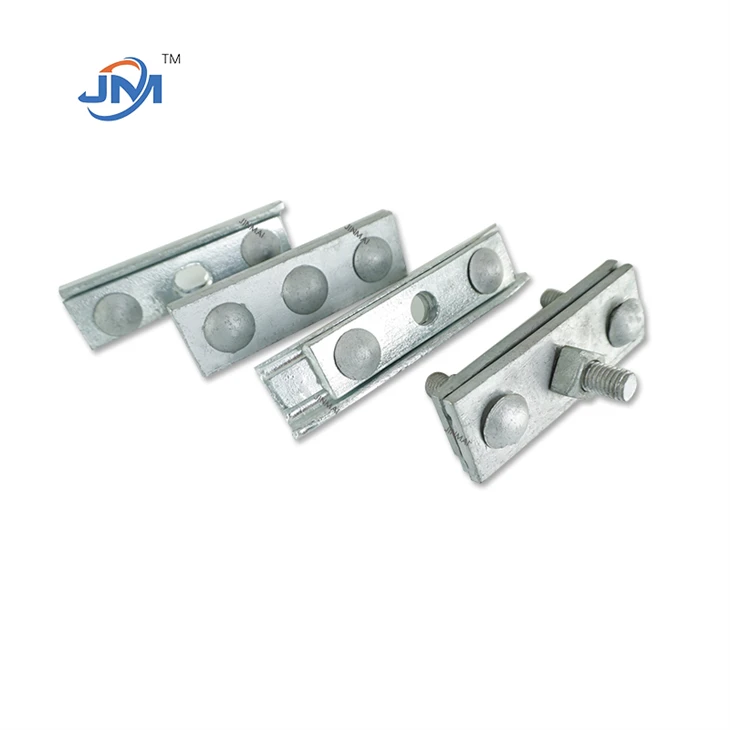
Electric Power Pole Clamp is another option. These clamps are used to secure electrical power poles, and they can be made from different metals other than iron. They offer a reliable way to keep the poles in place and ensure the safety of the electrical system.
Guy Clamp is also a valuable alternative. Guy clamps are used to secure guy wires, which are important for stabilizing structures like towers and poles. They can be made from materials like steel or aluminum, depending on the specific requirements of the project.
5. Stainless Steel Parts
Stainless steel is a popular choice as an alternative to line iron parts. It has excellent corrosion resistance, which is a major advantage over iron. Stainless steel can withstand harsh environmental conditions, making it suitable for outdoor and marine applications.
It also has a high strength and durability, similar to iron. This means that it can handle heavy loads and stresses without breaking or deforming easily. Stainless steel parts can be used in a wide range of industries, from construction to food processing.
However, stainless steel is more expensive than iron, and it can be more difficult to machine. Specialized tools and techniques are often required to work with stainless steel, which can add to the overall cost of the project.
When to Choose an Alternative
So, when should you choose an alternative to line iron parts? Well, if cost is a major factor, plastic or aluminum might be good options. If you're working in a corrosive environment, stainless steel, aluminum, or composite materials could be more suitable.
If weight is a concern, like in transportation or aerospace applications, plastic, aluminum, or composite materials are worth considering. And if you need a specific set of properties that iron can't provide, like high flexibility or directional strength, composite materials might be the way to go.
Conclusion
In conclusion, there are several alternatives to line iron parts available in the market. Each alternative has its own advantages and disadvantages, and the choice depends on your specific project requirements. As a line iron parts supplier, I understand that sometimes, an alternative might be the best solution for your needs.
If you're still unsure about which alternative is right for you, or if you have any questions about our line iron parts or the alternatives we've discussed, don't hesitate to reach out. We're here to help you make the best decision for your project. Whether you need more information, a quote, or just some advice, we're ready to assist. Start a conversation with us to explore the options and find the perfect fit for your needs.
References
- "Materials Science and Engineering: An Introduction" by William D. Callister Jr. and David G. Rethwisch
- "Handbook of Metal Forming" by Peter Groche and Dietmar Biermann