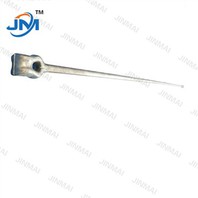
High - voltage cable components play a crucial role in the power transmission and distribution systems. As a supplier of cable components, I have in - depth knowledge and rich experience in this field. In this blog, I will explore the characteristics of high - voltage cable components and introduce some of our key products.
1. Electrical Performance
One of the most important characteristics of high - voltage cable components is their excellent electrical performance. These components are designed to handle high voltages without significant power loss or electrical breakdown.
Insulation Properties
High - quality insulation is essential for high - voltage cable components. Insulating materials used in these components, such as cross - linked polyethylene (XLPE), have high dielectric strength. This means they can withstand high electric fields without allowing current to leak through. For example, XLPE insulation can prevent the flow of current between conductors and to the surrounding environment, ensuring the safety and efficiency of the power system.
Conductivity
The conductors in high - voltage cable components need to have low resistance to minimize power loss during transmission. Copper and aluminum are commonly used conductors due to their high conductivity. Copper has better conductivity than aluminum, but aluminum is lighter and more cost - effective, making it a popular choice in many applications.
2. Mechanical Strength
High - voltage cable components are often exposed to various mechanical stresses in the field, such as wind, ice, and vibration. Therefore, they must have sufficient mechanical strength.
Tensile Strength
Components like cables and connectors need to withstand tensile forces. For instance, the cables used in overhead power lines are subject to their own weight and the forces exerted by wind. A high - tensile strength ensures that the cables do not break under these stresses. Our cable components are carefully engineered to meet or exceed industry standards for tensile strength.


Resistance to Impact
In addition to tensile forces, high - voltage cable components may also be hit by objects, such as branches or debris. They should be able to resist impact without damage. We use high - quality materials and advanced manufacturing processes to enhance the impact resistance of our components.
3. Environmental Adaptability
High - voltage cable components are installed in a wide range of environments, from deserts to coastal areas. They need to be able to adapt to different environmental conditions.
Temperature Resistance
Extreme temperatures can affect the performance of high - voltage cable components. In hot climates, the components should not overheat, while in cold climates, they should not become brittle. Our components are designed to operate within a wide temperature range, ensuring reliable performance in different geographical locations.
Corrosion Resistance
In coastal areas or industrial environments with high levels of pollution, corrosion can be a major problem. We use corrosion - resistant materials, such as stainless steel and galvanized steel, in the manufacturing of our cable components. For example, the Pigtail Hook Bolts are made of high - quality materials that can resist corrosion, extending their service life.
4. Safety Features
Safety is of utmost importance in high - voltage systems. High - voltage cable components are equipped with various safety features.
Grounding
Proper grounding is essential to protect personnel and equipment from electrical hazards. Many of our cable components, such as Pig tail ball head, are designed to be easily grounded, ensuring that any stray electrical current can be safely dissipated.
Arc Resistance
High - voltage systems can generate arcs, which can cause damage to equipment and pose a safety risk. Our components are designed to have high arc resistance, reducing the likelihood of arc - related accidents.
5. Compatibility and Ease of Installation
High - voltage cable components need to be compatible with other parts of the power system. They should also be easy to install, reducing installation time and cost.
Compatibility
Our cable components are designed to be compatible with different types of cables, connectors, and other equipment in the power system. This ensures seamless integration and reliable operation of the entire system.
Ease of Installation
We understand the importance of easy installation. Our products, such as the Hardware Pole Line Hook, are designed with user - friendly features, such as standardized interfaces and simple installation procedures. This allows installers to quickly and efficiently install the components, minimizing downtime.
Conclusion
In summary, high - voltage cable components have unique characteristics in terms of electrical performance, mechanical strength, environmental adaptability, safety features, and compatibility. As a cable components supplier, we are committed to providing high - quality products that meet the diverse needs of our customers.
If you are in the market for high - voltage cable components, whether for a new power project or system upgrade, we invite you to contact us for procurement and negotiation. Our team of experts is ready to assist you in selecting the most suitable components for your specific requirements.
References
- International Electrotechnical Commission (IEC) standards on high - voltage cable components.
- IEEE (Institute of Electrical and Electronics Engineers) publications related to power transmission and distribution components.
- Manufacturer's technical documentation on cable components materials and performance.