As a seasoned supplier of ADSS cable fittings, I've witnessed firsthand the critical role these components play in the reliable operation of optical communication networks. ADSS, or All-Dielectric Self-Supporting, cables are widely used in power and communication systems due to their excellent insulation properties and self-supporting structure. The fittings that accompany these cables are designed to ensure secure installation, long-term performance, and protection against environmental factors. In this blog post, I'll delve into the key design principles of ADSS cable fittings and explain how they contribute to the overall success of a network.
1. Mechanical Strength and Durability
One of the primary design principles of ADSS cable fittings is to provide sufficient mechanical strength to withstand the various forces acting on the cable. These forces include tension, wind, ice loading, and vibrations. Fittings must be able to support the weight of the cable over long spans without causing damage or deformation.
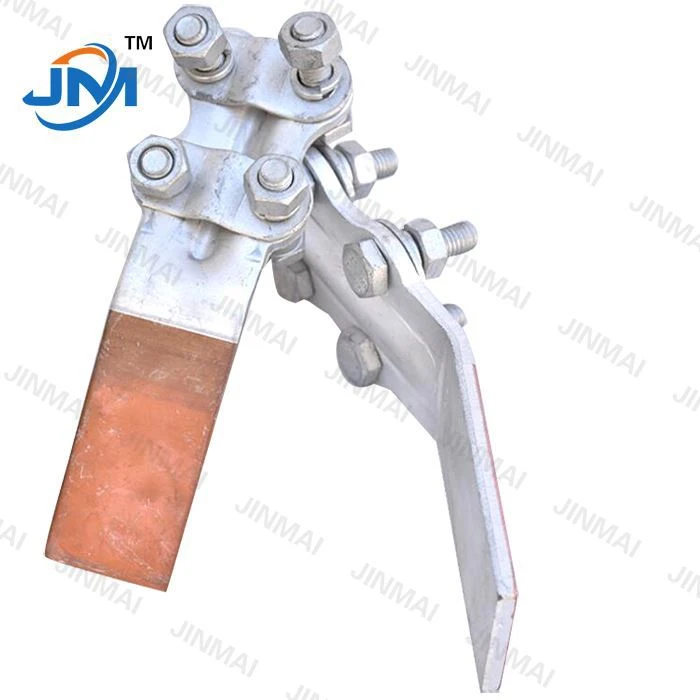
For example, the Copper-aluminum Transition Equipment Clamp is designed to securely connect different types of conductors while maintaining electrical continuity. Its robust construction ensures that it can handle high mechanical stresses, making it suitable for use in harsh outdoor environments.

In addition to mechanical strength, durability is also a crucial factor. ADSS cable fittings are often exposed to extreme weather conditions, UV radiation, and chemical pollutants. Therefore, they must be made from materials that are resistant to corrosion, oxidation, and aging. Stainless steel, aluminum alloy, and high-strength plastics are commonly used materials for ADSS cable fittings due to their excellent durability and resistance to environmental factors.
2. Electrical Compatibility
ADSS cables are primarily used for optical communication, but they may also carry electrical signals in some cases. Therefore, the fittings must be electrically compatible with the cable and the surrounding electrical environment. This includes ensuring proper grounding, insulation, and protection against electrical interference.
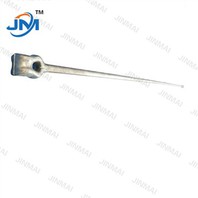
The Carbon Steel QH-7 Ball Eye is an example of a fitting that provides both mechanical support and electrical compatibility. It is designed to be used in conjunction with ADSS cables in power transmission lines, where it helps to prevent electrical arcing and ensure the safe operation of the system.
Proper grounding is essential to protect the cable and the network from electrical surges and lightning strikes. Fittings should be designed to provide a low-resistance path to ground, and they should be installed in accordance with relevant electrical codes and standards.
3. Ease of Installation and Maintenance
Another important design principle is ease of installation and maintenance. ADSS cable fittings should be designed to be installed quickly and easily, without the need for specialized tools or equipment. This not only reduces installation time and costs but also minimizes the risk of damage to the cable during installation.
The Bolt Wire Clamp is a simple yet effective fitting that is easy to install. It uses a bolt to secure the cable in place, providing a reliable and stable connection. Its design allows for quick and easy adjustment, making it suitable for use in a variety of applications.
In addition to ease of installation, maintenance is also an important consideration. Fittings should be designed to be easily accessible for inspection, cleaning, and replacement. This helps to ensure the long-term performance and reliability of the network.
4. Compatibility with ADSS Cables
ADSS cable fittings must be compatible with the specific type and size of the ADSS cable being used. This includes considerations such as cable diameter, tensile strength, and bending radius. Fittings should be designed to provide a secure and stable connection to the cable, without causing damage or deformation.
For example, some ADSS cables have a larger diameter or higher tensile strength than others. In these cases, the fittings must be designed to accommodate the specific requirements of the cable. This may involve using larger or stronger components, or designing the fitting to provide a more secure grip on the cable.
5. Environmental Adaptability
ADSS cable fittings are often installed in a variety of environmental conditions, including high altitudes, extreme temperatures, and corrosive environments. Therefore, they must be designed to adapt to these conditions and maintain their performance over time.
In high-altitude areas, for example, the air pressure is lower, which can affect the performance of the cable and the fittings. Fittings should be designed to compensate for these changes and ensure that the cable remains properly supported and protected.
In corrosive environments, such as coastal areas or industrial sites, the fittings must be made from materials that are resistant to corrosion. Special coatings or treatments may also be applied to the fittings to provide additional protection against corrosion.
6. Safety and Reliability
Safety and reliability are of utmost importance in the design of ADSS cable fittings. Fittings should be designed to prevent accidents and ensure the safe operation of the network. This includes features such as anti-loosening mechanisms, insulation protection, and fire resistance.
Anti-loosening mechanisms are designed to prevent the fittings from coming loose over time, which could lead to a loss of connection or damage to the cable. Insulation protection is essential to prevent electrical shock and ensure the safety of personnel working on the network. Fire resistance is also important, especially in areas where there is a risk of fire.
Conclusion
The design principles of ADSS cable fittings are critical to the success of optical communication networks. By ensuring mechanical strength, electrical compatibility, ease of installation and maintenance, compatibility with ADSS cables, environmental adaptability, and safety and reliability, these fittings help to ensure the long-term performance and reliability of the network.
As a supplier of ADSS cable fittings, we are committed to providing high-quality products that meet the highest standards of design and performance. If you are interested in learning more about our ADSS cable fittings or would like to discuss your specific requirements, please feel free to contact us. We look forward to the opportunity to work with you and contribute to the success of your network.
References
- Electrical Power Fittings Handbook
- Standards for ADSS Cable Installation and Fitting Design