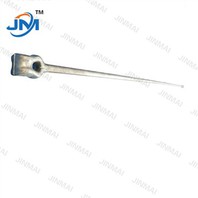
When it comes to the efficient and safe operation of a generator, every component plays a crucial role. One such component that often goes unnoticed but is of utmost importance is the insulator spindle. As a leading supplier of insulator spindles, I understand the significance of proper installation and the impact it can have on the overall performance of a generator. In this blog post, I will discuss the key installation considerations for an insulator spindle in a generator.
Understanding the Insulator Spindle
Before delving into the installation considerations, it is essential to understand what an insulator spindle is and its function. An insulator spindle is a vital part of the electrical insulation system in a generator. It is designed to support and insulate electrical conductors, preventing the flow of current to unwanted areas and ensuring the safe and efficient operation of the generator.
Insulator spindles come in various types and materials, each with its own unique properties and applications. Some common types of insulator spindles include Hardware Galvanized Pole Top Pin Spindle, Pole Top Pins Spindle, and Steel Pin of Pin Insulator. The choice of insulator spindle depends on several factors, such as the voltage level, environmental conditions, and the specific requirements of the generator.
Installation Considerations
1. Compatibility with the Generator
The first and most important consideration when installing an insulator spindle is its compatibility with the generator. The insulator spindle must be designed to meet the specific requirements of the generator, including the voltage rating, current capacity, and mechanical load. Using an incompatible insulator spindle can lead to electrical failures, overheating, and even safety hazards.
Before installing an insulator spindle, it is crucial to consult the generator's manufacturer or a qualified electrical engineer to ensure that the selected insulator spindle is suitable for the application. They can provide valuable guidance on the appropriate type, size, and material of the insulator spindle based on the generator's specifications.
2. Environmental Conditions
The environmental conditions in which the generator operates can have a significant impact on the performance and lifespan of the insulator spindle. Factors such as temperature, humidity, pollution, and vibration can all affect the insulation properties of the spindle.
In high-temperature environments, the insulator spindle may experience thermal expansion, which can lead to mechanical stress and potential damage. On the other hand, in cold temperatures, the insulation material may become brittle and more prone to cracking. It is important to choose an insulator spindle that is designed to withstand the specific temperature range of the generator's operating environment.
Humidity and pollution can also cause corrosion and degradation of the insulator spindle. In areas with high levels of moisture or pollutants, it is advisable to use an insulator spindle with a protective coating or enclosure to prevent damage. Additionally, vibration can loosen the connections and cause mechanical wear on the insulator spindle. Proper mounting and vibration isolation techniques should be employed to minimize the impact of vibration on the spindle.
3. Mounting and Alignment
Proper mounting and alignment of the insulator spindle are essential for its optimal performance. The spindle must be securely mounted to the generator's frame or support structure to prevent movement or displacement during operation. Loose or misaligned insulator spindles can cause electrical arcing, increased resistance, and premature failure.
When mounting the insulator spindle, it is important to follow the manufacturer's instructions and use the appropriate mounting hardware. The spindle should be aligned correctly to ensure that the electrical conductors are properly seated and connected. Any misalignment can result in uneven stress distribution and potential damage to the insulator or the conductors.
4. Electrical Clearance
Electrical clearance refers to the minimum distance between the electrical conductors and any surrounding objects or structures. Adequate electrical clearance is necessary to prevent electrical arcing and short circuits. When installing an insulator spindle, it is important to ensure that there is sufficient clearance between the spindle and other components of the generator, as well as any nearby electrical equipment or structures.
The required electrical clearance depends on several factors, such as the voltage level, the type of insulation material, and the environmental conditions. It is important to consult the relevant electrical codes and standards to determine the appropriate electrical clearance for the specific application.
5. Maintenance and Inspection
Regular maintenance and inspection of the insulator spindle are crucial to ensure its continued performance and reliability. Over time, the insulator spindle may accumulate dirt, dust, and other contaminants, which can affect its insulation properties. Additionally, mechanical wear and tear can occur, leading to loose connections or damage to the spindle.


It is recommended to establish a regular maintenance schedule for the insulator spindle, including cleaning, visual inspection, and electrical testing. During the inspection, any signs of damage, such as cracks, chips, or discoloration, should be noted and addressed immediately. If necessary, the insulator spindle should be replaced to prevent potential electrical failures.
Conclusion
Installing an insulator spindle in a generator requires careful consideration of several factors to ensure its proper functioning and longevity. Compatibility with the generator, environmental conditions, mounting and alignment, electrical clearance, and maintenance are all critical aspects that need to be addressed.
As a supplier of insulator spindles, I am committed to providing high-quality products that meet the specific requirements of our customers. Our Hardware Galvanized Pole Top Pin Spindle, Pole Top Pins Spindle, and Steel Pin of Pin Insulator are designed to provide reliable insulation and support for generators in various applications.
If you are in need of an insulator spindle for your generator or have any questions about the installation process, please feel free to contact us. Our team of experts is available to provide you with the necessary guidance and support to ensure a successful installation.
References
- Electrical Power Systems: Design and Analysis by Turan Gonen
- Insulation Coordination for Power Systems by J. R. Lucas
- Handbook of Electrical Insulating Materials by Charles A. Hampel