Hey there! As a supplier of overhead line fittings, I've been getting a lot of questions lately about the noise - reduction features of these products. So, I thought I'd take the time to dive into this topic and share some insights with you all.
First off, let's understand why noise reduction in overhead line fittings is such a big deal. Overhead power lines are all around us, running through cities, suburbs, and rural areas. When these lines are in operation, they can generate noise, which can be a nuisance to nearby residents and even have an impact on the environment. That's where the noise - reduction features of overhead line fittings come in.
One of the key factors contributing to noise in overhead lines is the vibration of the conductors and the fittings themselves. When the wind blows or there are electrical currents flowing, these components can start to vibrate, creating audible noise. To tackle this issue, many of our overhead line fittings are designed with special damping materials.
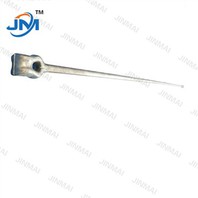
For example, our Hot Dip Galvanized Secondary Clevis is made with a unique damping rubber insert. This rubber insert acts as a shock absorber, reducing the vibration transfer between different parts of the fitting. When the conductor vibrates, the rubber insert absorbs the energy, preventing it from being converted into noise. It's like having a little cushion that stops the rattling and buzzing sounds.
Another important aspect is the design of the fittings. We've spent a lot of time researching and developing shapes and structures that minimize air turbulence. Air turbulence around the fittings can cause whistling and hissing noises, especially at high wind speeds. Our engineers have come up with aerodynamic designs for many of our Hot Dip Galvanized Overhead Line Hardware. These designs help the air flow smoothly around the fittings, reducing the chances of turbulent air pockets forming and the associated noise.
When it comes to the installation of overhead line fittings, proper alignment is crucial for noise reduction. Misaligned fittings can cause uneven stress on the conductors, leading to increased vibration and noise. We provide detailed installation guides with all our products to ensure that installers can get the alignment right. Our Electric Power Stringing equipment also helps in achieving the correct tension and alignment of the conductors during installation, which in turn reduces noise.
In addition to the physical design and installation, the material quality of the fittings also plays a role in noise reduction. We use high - quality metals in our products, which have better mechanical properties. These metals are less likely to deform under stress, reducing the chances of loose parts that can create noise. For instance, our hot - dip galvanized steel fittings are not only corrosion - resistant but also have the right amount of stiffness to maintain their shape and stability, which helps in keeping the noise levels down.


Now, let's talk about the testing we do on our overhead line fittings. Before we release any product to the market, it goes through a series of rigorous noise - testing procedures. We simulate different environmental conditions, including wind speeds, electrical currents, and temperatures, to see how the fittings perform in terms of noise generation. This allows us to fine - tune the design and materials to achieve the best possible noise - reduction results.
We also keep an eye on the latest research and technological advancements in the field. New materials and manufacturing techniques are constantly emerging, and we're always looking for ways to incorporate them into our products. For example, there are some new composite materials that show great potential for noise reduction, and we're exploring the possibility of using them in our future product lines.
If you're in the market for overhead line fittings and are concerned about noise reduction, you've come to the right place. Our products are designed with noise reduction in mind, and we have a wide range of options to suit different needs. Whether you're working on a small - scale local power project or a large - scale transmission line, we can provide you with the right fittings.
Don't hesitate to get in touch with us if you have any questions or want to discuss your specific requirements. We're here to help you find the best solutions for your overhead line projects. Let's work together to create a quieter and more efficient power infrastructure.
References
- Industry reports on overhead line noise reduction
- Research papers on materials for overhead line fittings
- Internal product testing data