Hey there! I'm a supplier of cable components, and today I want to chat about what it takes to install cable components in an area prone to seismic activity. You know, earthquakes can mess things up big time, so getting the cable component installation right is super crucial.


Understanding Seismic Hazards
First off, let's get a sense of the seismic hazards in these areas. Earthquakes are unpredictable and can cause all sorts of ground movements like shaking, displacement, and even liquefaction. Shaking can lead to vibration in the cable systems, while ground displacement might pull, stretch, or break the cables. Liquefaction, which happens when saturated soil loses its strength during an earthquake, can make the ground unstable and cause poles or structures holding the cables to tilt or collapse.
As a cable component supplier, I've seen firsthand how these seismic events can wreck havoc on poorly installed cable systems. That's why knowing the local seismicity, including things like the frequency and intensity of past earthquakes in the area, is the starting point for any installation project. Local geological surveys and historical earthquake data can be goldmines of information for understanding what we're up against.
Component Selection for Seismic Zones
Picking the right cable components for seismic - prone areas is like choosing the right tools for a tough job. We need components that can withstand the forces generated during an earthquake.
Robust Mechanical Design
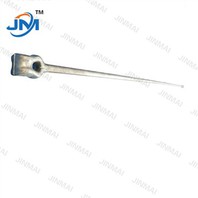
Components need to be built tough. For example, the Hardware Pole Line Hook we offer is designed with high - strength materials. It's got to be able to hold the cables securely even when there's a lot of shaking and movement. The shape and structure are engineered in such a way that it can distribute the stress evenly across its body. So, when the ground starts to shake under the pole, the hook won't break easily and keeps the cables in place.
Flexibility and Elasticity
Cables and related components also need some degree of flexibility and elasticity. This allows them to bend and stretch to a certain extent without breaking. For instance, the Pig tail ball head can give a bit when there's movement. Instead of snapping under pressure, it adapts to the changes in the cable's position, reducing the risk of failure. Our pigtail components are made from materials that have good elastic properties, which is essential for seismic resilience.
Corrosion Resistance
In addition to mechanical strength, corrosion resistance is vital. Earthquakes can disrupt drainage systems and expose components to moisture, salt, and other corrosive substances. A single corroded component can be the weak link in the whole cable system. That's why all our components, including Pigtail Hook Bolts, are treated with anti - corrosion coatings to ensure they last a long time, even in harsh post - earthquake environments.
Installation Techniques
Getting the installation right isn't just about choosing the right components—it's also about how we put them in place.
Proper Anchoring and Support
All poles and structures that hold the cable components must be properly anchored to the ground. In seismic areas, deep foundations may be necessary to prevent the structures from toppling over during an earthquake. When we install our Hardware Pole Line Hooks on these poles, we make sure they're attached firmly with high - quality fasteners. The poles themselves might need additional stabilizers like guy wires. These wires help to distribute the forces acting on the pole during an earthquake, keeping it upright and reducing the load on the hook and other cable - holding components.
Cable Routing and Slack
Cable routing is another key factor. We need to give the cables enough slack so that they can move without too much stress during an earthquake. Over - tightening the cables is a big no - no. Instead, we leave some extra length in the cables between support points. This way, when the ground shifts or the poles move, the cables can stretch or contract without breaking. Our technicians are trained to calculate the right amount of slack based on the specific seismic conditions of the area.
Bracing for Stability
For large cable systems, adding braces can enhance stability. Braces can be installed between different support structures to prevent excessive movement. For example, if we have multiple poles in a row, cross - braces can connect them, creating a more rigid and stable structure. This way, the impact of an earthquake is spread out over a larger area, rather than concentrating on individual components.
Testing and Quality Assurance
Before we hand over our cable components for installation, we run a series of tests to make sure they'll perform well in seismic areas.
Seismic Simulation Tests
We use seismic simulation machines to mimic the ground movements during an earthquake. These tests subject the components to different levels of vibration, acceleration, and displacement. Our Hardware Pole Line Hooks, Pig tail ball heads, and Pigtail Hook Bolts all go through these rigorous simulations. If a component fails the test, we go back to the drawing board and make the necessary improvements to its design or materials.
Material Testing
We also test the materials used in our components to ensure they meet the required standards. Tensile strength, elasticity, and corrosion resistance are all carefully measured. We source our materials from reliable suppliers and perform in - house tests to double - check the quality.
Maintenance and Monitoring
Once the cable components are installed, the job isn't over. Regular maintenance and monitoring are essential to keep the system in good working order.
Visual Inspections
Conducting regular visual inspections can help us catch any signs of wear and tear, corrosion, or damage early on. Our technicians look for things like cracks in the components, loose fasteners, or rust spots. If they find any issues, they can take immediate action to repair or replace the affected parts.
Monitoring Technologies
In addition to visual inspections, we can use monitoring technologies like sensors. These sensors can be attached to the cable components to measure things like vibration, strain, and temperature. They send real - time data to a monitoring station, allowing us to detect any abnormal behavior in the system. If the sensors detect excessive vibration or strain that could indicate a potential problem, we can investigate and take preventive measures before a failure occurs.
Wrapping Up
Installing cable components in a seismic - prone area is a complex but manageable task. It requires a careful combination of understanding seismic hazards, choosing the right components, using proper installation techniques, and maintaining and monitoring the system. At our company, we're committed to providing the best cable components that meet the high standards required for seismic resilience.
If you're involved in a project in a seismic - prone area and are looking for reliable cable components, we'd love to have a chat. We can provide you with more information about our products, offer installation advice, and work with you to make sure your cable system can withstand the next big quake. Just reach out, and let's start the conversation!
References
- US Geological Survey. "Seismic Hazard Mapping and Data."
- International Building Code. "Seismic Design Provisions for Buildings."
- Institute of Electrical and Electronics Engineers. "Standards for Electrical Cable Installation in Seismic Areas."