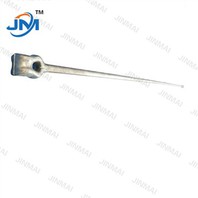
As a provider of pin type insulators, I've witnessed firsthand the critical role these components play in electrical systems. Pin type insulators are widely used in overhead power lines to support and insulate conductors from the poles or towers. One of the key factors that can significantly impact their performance is temperature variations. In this blog, I'll delve into the effects of temperature changes on pin type insulators and why it's essential to understand these dynamics for optimal electrical system operation.
Physical and Chemical Changes Due to Temperature
Temperature variations can lead to both physical and chemical changes in pin type insulators. Most pin type insulators are made from materials such as porcelain or glass, each with its own set of responses to temperature fluctuations.
Porcelain Insulators
Porcelain is a commonly used material for pin type insulators due to its excellent electrical insulation properties and mechanical strength. However, porcelain is sensitive to temperature changes. When the temperature rises, porcelain expands. This expansion can cause internal stresses within the insulator. If these stresses exceed the material's strength, it can lead to cracking. Cracks in the porcelain insulator can compromise its electrical insulation ability, increasing the risk of electrical breakdown and short - circuits.
On the other hand, when the temperature drops, porcelain contracts. Repeated cycles of expansion and contraction can gradually weaken the porcelain structure over time. Micro - cracks may develop, which are initially difficult to detect but can grow and eventually lead to complete failure of the insulator.
Glass Insulators
Glass insulators also experience thermal expansion and contraction. Similar to porcelain, the expansion during high - temperature periods can create internal stresses. Glass is more brittle than porcelain, so it may be more prone to sudden breakage when these stresses become too high.
In addition to physical changes, temperature can also affect the chemical properties of the insulator materials. High temperatures can accelerate chemical reactions on the surface of the insulators. For example, if there are impurities or contaminants on the insulator surface, heat can promote oxidation or other chemical reactions that may degrade the material and reduce its insulation performance.
Impact on Electrical Performance
Temperature variations can have a direct impact on the electrical performance of pin type insulators.
Dielectric Constant
The dielectric constant of an insulator is a measure of its ability to store electrical energy in an electric field. Temperature changes can alter the dielectric constant of the insulator material. As the temperature rises, the dielectric constant of porcelain and glass insulators typically increases. This change can affect the distribution of electrical fields around the insulator. An abnormal distribution of the electric field can lead to partial discharges, which are small electrical discharges that occur within the insulator or on its surface. Partial discharges can cause local heating, further accelerating the degradation of the insulator material and reducing its service life.
Surface Resistance
Surface resistance is another important electrical property of insulators. Temperature affects the surface resistance of pin type insulators. High temperatures can reduce the surface resistance of the insulator. A lower surface resistance means that more current can flow along the surface of the insulator. This surface leakage current can lead to power losses in the electrical system and may also cause the insulator to overheat. If the surface temperature of the insulator becomes too high, it can further damage the insulator and pose a safety hazard.
Influence on Mechanical Strength
The mechanical strength of pin type insulators is crucial for their proper functioning, as they need to support the weight of the conductors and withstand various mechanical stresses in the environment. Temperature variations can weaken the mechanical strength of insulators.
As mentioned earlier, the repeated expansion and contraction due to temperature changes can cause micro - cracks and internal damage in the insulator material. These defects reduce the overall mechanical strength of the insulator. For example, during high - wind events or when there are sudden mechanical shocks, an insulator with reduced mechanical strength is more likely to break or fail.
Moreover, extreme temperature conditions can also affect the connection between the insulator and the conductor or the pole. High temperatures can cause the metal components in the connection to expand, potentially loosening the connection. Low temperatures can make the materials more brittle, increasing the risk of breakage at the connection points.
Mitigation Strategies
To minimize the negative effects of temperature variations on pin type insulators, several mitigation strategies can be employed.
Material Selection
Choosing high - quality materials with better thermal stability is crucial. Some advanced porcelain and glass formulations are designed to have lower coefficients of thermal expansion, which means they expand and contract less in response to temperature changes. These materials are more resistant to cracking and other forms of damage caused by thermal stress.
Design Optimization
Insulator design can also be optimized to reduce the impact of temperature variations. For example, using a design that allows for some flexibility in the insulator structure can help absorb the stresses caused by expansion and contraction. Additionally, proper ventilation and heat dissipation design can prevent excessive heat buildup in the insulator.
Monitoring and Maintenance
Regular monitoring of insulators is essential. Visual inspections can help detect early signs of damage such as cracks or surface degradation. Electrical performance monitoring, such as measuring surface resistance and partial discharge, can also provide valuable information about the condition of the insulators. Timely maintenance, including cleaning the insulators to remove contaminants and replacing damaged insulators, can ensure the long - term reliability of the electrical system.
Related Products
In addition to pin type insulators, we also offer a range of related products that are essential for the proper installation and operation of electrical systems. For example, our Stay Rod Stay Plate is a high - quality component used to provide support and stability in overhead power lines. The Galvanized Pole Hook is another useful product that helps in the installation and positioning of cables. And our Hot - dip Galvanizing Bolt is known for its durability and corrosion resistance, ensuring a secure connection in various environmental conditions.
Conclusion
Temperature variations have a significant impact on the performance and durability of pin type insulators. Understanding these effects is crucial for ensuring the reliability and safety of electrical systems. By selecting appropriate materials, optimizing designs, and implementing effective monitoring and maintenance strategies, we can minimize the negative consequences of temperature changes on insulators.
If you are in the market for high - quality pin type insulators or any of our related products, we invite you to contact us for procurement and further discussions. Our team of experts is ready to provide you with the best solutions tailored to your specific needs.


References
- "Electrical Insulation Engineering" by John A. Cavallini.
- "Insulator Technology Handbook" by International Electrotechnical Commission.
- "Thermal Effects on Electrical Materials" by American Society for Testing and Materials.