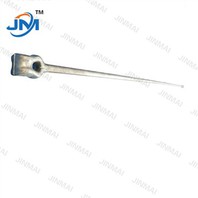
In the realm of overhead power systems, galvanized cross arms play a pivotal role. As a seasoned supplier of Galvanized Cross Arms, I've witnessed firsthand the diverse applications and unique characteristics of these essential components. In this blog, we'll delve into the concept of the flexibility of a galvanized cross arm, exploring what it means, why it matters, and how it impacts various aspects of overhead line infrastructure.
Understanding Galvanized Cross Arms
Before we dive into the flexibility aspect, let's briefly understand what galvanized cross arms are. Galvanized cross arms are horizontal beams typically made of steel that are installed on utility poles. They serve as a support structure for holding electrical conductors, insulators, and other overhead line hardware. The galvanization process involves coating the steel with a layer of zinc, which provides excellent corrosion resistance, extending the lifespan of the cross arm and ensuring its durability in various environmental conditions.
What is Flexibility in the Context of Galvanized Cross Arms?
Flexibility, in the context of galvanized cross arms, refers to their ability to adapt to different operational requirements, environmental conditions, and installation scenarios. It encompasses several key aspects:
1. Design Flexibility
Galvanized cross arms can be designed in a variety of shapes and sizes to meet specific project needs. Different power systems may require cross arms of varying lengths, widths, and thicknesses depending on the number and type of conductors they need to support. For example, in a rural area with fewer power lines, a shorter and lighter cross arm may suffice. In contrast, an urban area with a high density of electrical cables may require a longer and more robust cross arm. As a supplier, we offer a wide range of Galvanized Cross Arm designs to accommodate these diverse requirements.
2. Installation Flexibility
These cross arms can be installed in multiple ways, providing flexibility during the construction and maintenance of overhead power lines. They can be attached to utility poles using different mounting methods, such as bolts, brackets, or clamps. This allows installers to choose the most suitable installation technique based on the pole type, terrain, and accessibility. For instance, in areas with limited space or difficult-to-reach poles, a quick and easy mounting method can significantly reduce installation time and labor costs.
3. Compatibility Flexibility
Galvanized cross arms are highly compatible with other Overhead Pole Line Hardware. They can be used in conjunction with various insulators, connectors, and cable accessories to create a complete overhead power system. This compatibility ensures that the cross arms can be integrated seamlessly into existing or new power line networks, regardless of the specific hardware components used. For example, they can support both ceramic and composite insulators, providing flexibility in choosing the most appropriate insulator based on the environmental conditions and electrical requirements of the project.
4. Environmental Flexibility
One of the significant advantages of galvanized cross arms is their ability to withstand different environmental conditions. The zinc coating provides protection against corrosion, making them suitable for use in coastal areas with high salt content in the air, as well as in industrial areas with high levels of pollution. Additionally, they can tolerate a wide range of temperatures, from extreme cold to intense heat, without significant degradation in performance. This environmental flexibility ensures the long - term reliability of the overhead power lines, reducing the need for frequent replacements and maintenance.
Why Flexibility Matters
The flexibility of galvanized cross arms offers several benefits to power system operators, installers, and end - users:
1. Cost - Effectiveness
Design and installation flexibility allow for optimized solutions that can reduce overall project costs. By choosing the right cross arm design and installation method, power companies can minimize material waste and labor expenses. For example, using a pre - fabricated cross arm that is specifically designed for a particular project can reduce on - site fabrication time and costs. Compatibility flexibility also means that existing hardware can be reused, further reducing the need for new purchases.


2. Adaptability to Changing Needs
Power systems are constantly evolving, with new technologies and increased demand for electricity. The flexibility of galvanized cross arms allows power companies to easily upgrade or modify their overhead lines to accommodate these changes. For instance, if a new type of high - voltage conductor needs to be installed, a flexible cross arm can be adjusted or replaced without significant disruption to the entire power system.
3. Improved Safety
Installation flexibility ensures that cross arms can be installed correctly and securely, reducing the risk of accidents. A well - installed cross arm provides stable support for electrical conductors, preventing them from sagging or coming into contact with each other, which could lead to short circuits or electrical fires. Environmental flexibility also contributes to safety by ensuring that the cross arms remain structurally sound in harsh conditions, reducing the likelihood of failures.
Real - World Applications
The flexibility of galvanized cross arms is evident in a wide range of real - world applications:
1. Rural Electrification Projects
In rural areas, where power infrastructure is often limited and the terrain can be challenging, the design and installation flexibility of galvanized cross arms are crucial. They can be customized to fit different pole types, such as wooden or concrete poles, and can be easily installed in areas with difficult access. The environmental flexibility also ensures that they can withstand the harsh weather conditions commonly found in rural regions, such as strong winds and heavy snowfall.
2. Urban Power Distribution Networks
In urban areas, the high density of power lines and the need for efficient use of space require cross arms that are both compact and highly compatible with other hardware. Galvanized cross arms can be designed to support multiple conductors in a limited space, and their compatibility with different insulators and connectors allows for the creation of complex power distribution networks.
3. Renewable Energy Projects
As the demand for renewable energy sources such as wind and solar power increases, galvanized cross arms are being used in the transmission and distribution of electricity generated from these sources. Their flexibility allows for the integration of renewable energy systems into existing power grids, enabling the efficient transfer of clean energy to consumers.
Conclusion
The flexibility of galvanized cross arms is a critical factor in the success of overhead power systems. From design and installation to compatibility and environmental adaptability, these cross arms offer a wide range of benefits that make them an essential component in the power industry. As a supplier of Galvanized Cross Arms, we are committed to providing high - quality products that meet the diverse needs of our customers. Whether you are working on a small rural electrification project or a large - scale urban power distribution network, our flexible cross arms can provide the reliable support you need.
If you are interested in learning more about our Galvanized Cross Arms or have a specific project in mind, we encourage you to reach out for a detailed discussion. Our team of experts is ready to assist you in finding the perfect solution for your overhead power line requirements. Let's work together to build a more efficient and reliable power infrastructure.
References
- "Overhead Transmission Line Engineering" by J. Duncan Glover, M. Sarma, and Thomas J. Overbye.
- "Electrical Power Systems Technology" by Stephen L. Herman.