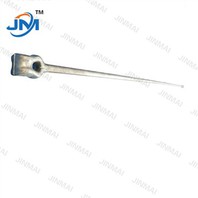
Hey there! I'm an ADSS cable hardware supplier, and today I'm super stoked to dig into a topic that's crucial in our industry: What is the maximum load capacity of ADSS cable hardware?
Let's start with a bit of background. ADSS, or All - Dielectric Self - Supporting cable, is widely used in power communication systems. It's self - supporting, which means it doesn't rely on a metallic strength member, and it's dielectric, making it non - conductive. The hardware that goes along with these cables is what keeps them in place, makes the connections, and ensures they can handle the real - world conditions they're exposed to.
Understanding Load Capacity
Load capacity is all about how much weight, force, or stress a piece of hardware can handle before it fails. There are a few different types of loads that ADSS cable hardware has to deal with.
Static Loads
Static loads are the constant forces acting on the hardware. This includes the weight of the cable itself. ADSS cables come in different sizes and weights, depending on their design, the number of fibers inside, and the materials used. The hardware has to be able to support this weight over the long term without deforming or breaking. For example, a suspension clamp that holds the cable at regular intervals along a pole line needs to have a high enough static load capacity to keep the cable in place.
Dynamic Loads
Dynamic loads are the changing forces that the hardware experiences. Wind is a major source of dynamic loads. Strong winds can cause the cable to sway and vibrate, putting extra stress on the hardware. Ice and snow accumulation are also factors. When ice builds up on the cable, the weight increases significantly, and the added wind resistance when the ice is present can create even more dynamic forces. Hardware like High Voltage Line Insulator need to be designed to handle these changing loads.
Factors Affecting Load Capacity
There are several factors that can influence the maximum load capacity of ADSS cable hardware.
Material Quality
The materials used to make the hardware play a huge role. High - quality metals, like galvanized steel or aluminum alloys, are often used because they're strong and resistant to corrosion. A Galvanized Pole Hook made from well - galvanized steel can withstand harsh weather conditions and support a relatively high load. On the other hand, if the material is of poor quality, it might rust quickly, weaken, and have a much lower load capacity.
Design and Construction
The design of the hardware is also crucial. Well - designed hardware distributes the load evenly across its structure. For example, an Insulated Wedge Clamp is designed to grip the cable securely and transfer the load in a way that minimizes stress concentration. If the design is flawed, the hardware might fail at a lower load than expected, even if it's made from good materials.
Installation
Believe it or not, how the hardware is installed can affect its load capacity. If the hardware is not installed correctly, it might not be able to support the intended load. For example, if a suspension clamp is not tightened properly, it might slip under load, reducing its effectiveness.


Determining the Maximum Load Capacity
Manufacturers use a variety of methods to determine the maximum load capacity of their ADSS cable hardware.
Laboratory Testing
One of the most common methods is laboratory testing. Hardware samples are subjected to different types of loads in a controlled environment. For static loads, weights are added gradually until the hardware fails. For dynamic loads, machines simulate wind and vibration to see how the hardware responds. These tests help manufacturers establish safe load limits for their products.
Computer Modeling
Computer modeling is also becoming increasingly important. By using advanced software, engineers can simulate different load scenarios and predict how the hardware will perform. This allows them to optimize the design and material selection before going into production.
Industry Standards and Regulations
There are industry standards and regulations that govern the maximum load capacity of ADSS cable hardware. These standards ensure that the hardware is safe and reliable. For example, standards set by organizations like the International Electrotechnical Commission (IEC) and the Institute of Electrical and Electronics Engineers (IEEE) specify the minimum load capacities for different types of hardware. As a supplier, we make sure that all our products meet or exceed these standards.
Importance of Knowing the Maximum Load Capacity
Understanding the maximum load capacity of ADSS cable hardware is crucial for several reasons.
Safety
Safety is the number one concern. If the hardware fails due to an overload, it can lead to cable damage, power outages, and even pose a risk to people and property. By knowing the load capacity, installers can make sure they're using the right hardware for the job, reducing the risk of accidents.
Performance
Using hardware with the appropriate load capacity ensures that the ADSS cable system performs as intended. The cable will be properly supported and protected, which means better signal transmission and fewer maintenance issues in the long run.
Our Offerings
As an ADSS cable hardware supplier, we offer a wide range of products with different load capacities to meet the needs of various applications. Whether you're working on a small - scale local project or a large - scale power grid, we have the hardware you need. Our products are made from high - quality materials, designed with the latest technology, and tested to ensure they meet the highest standards.
If you're in the market for ADSS cable hardware, don't hesitate to reach out. We're here to help you find the right products for your project and make sure you get the best value for your money. Whether you need more information about load capacities, installation, or anything else related to our products, just let us know. We're always happy to have a chat and assist you in any way we can.
References
- International Electrotechnical Commission (IEC) standards on ADSS cable hardware.
- Institute of Electrical and Electronics Engineers (IEEE) guidelines for cable hardware load capacities.
- Manufacturer's technical documentation on ADSS cable hardware products.