As a seasoned supplier of line iron parts, I've encountered numerous inquiries from clients regarding the maximum temperature these components can endure. This topic is of utmost significance, especially in industries where line iron parts are exposed to high - temperature environments, such as power transmission, electrical engineering, and some industrial manufacturing processes.
Understanding Line Iron Parts
Line iron parts are essential components in various electrical and mechanical systems. They come in a wide array of forms, including Hot Dip Galvanized Full Thread Bolts, Pole Band Mounting Clamp, and Electrical Hardware Insulator Spindle. These parts are typically made from iron or iron - based alloys, selected for their strength, durability, and electrical conductivity.
Factors Affecting the Maximum Temperature Tolerance
Material Composition
The material of the line iron part is the primary determinant of its temperature resistance. Pure iron has a relatively low melting point of about 1538°C. However, most line iron parts are made of alloys, which can significantly enhance their heat - resistant properties. For example, adding elements like chromium, nickel, and molybdenum can form heat - resistant alloys. Chromium forms a protective oxide layer on the surface of the iron, preventing further oxidation at high temperatures. Nickel improves the ductility and toughness of the alloy at elevated temperatures, while molybdenum enhances the strength and creep resistance.
Surface Treatment
Surface treatments also play a crucial role in temperature tolerance. Hot - dip galvanizing, a common treatment for line iron parts, provides a protective zinc coating. Zinc has a relatively low melting point of about 419.5°C. When exposed to high temperatures, the zinc coating will first melt and vaporize. Although it provides some initial protection against corrosion, once the zinc layer is depleted, the underlying iron is more vulnerable to oxidation.
Design and Geometry
The design and geometry of the line iron part can affect its heat dissipation and distribution. Parts with a large surface - to - volume ratio can dissipate heat more efficiently, reducing the risk of overheating. For example, a thin - walled line iron pipe may be able to withstand higher temperatures compared to a solid rod of the same material, as the pipe has a larger surface area for heat transfer.
Temperature Limits for Different Line Iron Parts
Hot Dip Galvanized Full Thread Bolts
Hot dip galvanized full thread bolts are widely used in electrical and mechanical installations. The zinc coating on these bolts provides corrosion resistance, but its low melting point limits the maximum operating temperature. Generally, hot dip galvanized bolts can safely operate at temperatures up to about 200°C. At temperatures above this, the zinc coating begins to lose its protective properties, and the bolt may start to corrode more rapidly. If the application requires higher temperature resistance, alternative coatings or uncoated high - strength steel bolts may be considered.
Pole Band Mounting Clamp
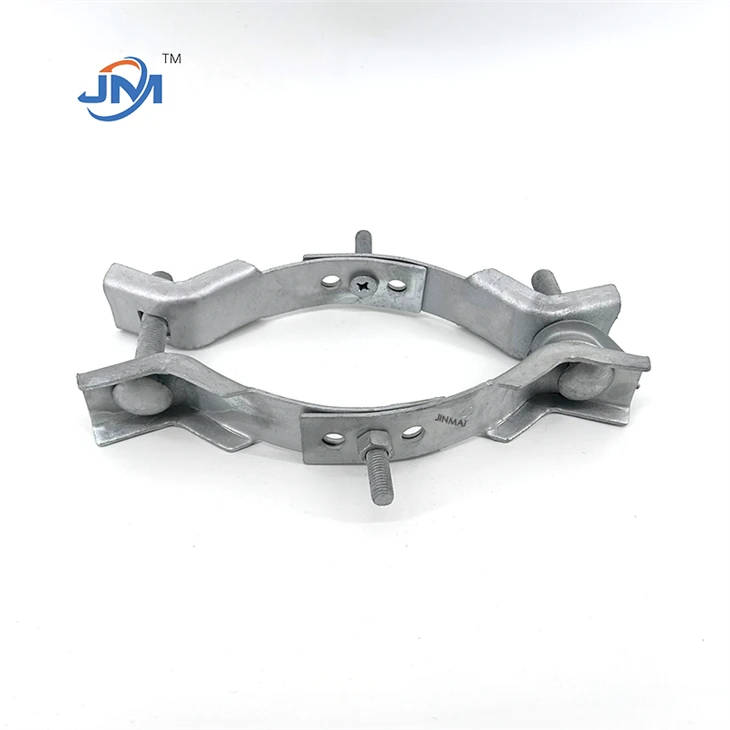
Pole band mounting clamps are used to secure poles and other structures. These clamps are often made of iron or steel alloys. Depending on the alloy composition, they can withstand temperatures ranging from 300°C to 600°C. For applications in high - temperature environments, such as near industrial furnaces or in some power generation facilities, special heat - resistant alloys may be required.
Electrical Hardware Insulator Spindle
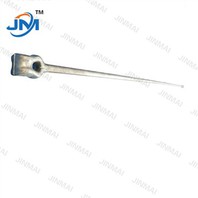
Electrical hardware insulator spindles are used to support insulators in electrical systems. These parts need to maintain their mechanical and electrical properties at high temperatures. The maximum temperature tolerance of an insulator spindle depends on the material of the spindle and the insulator. For iron - based spindles, they can typically withstand temperatures up to 500°C without significant loss of mechanical strength. However, the associated insulators may have lower temperature limits, which can also affect the overall performance of the assembly.
Applications and Temperature Requirements
Power Transmission
In power transmission systems, line iron parts are exposed to various environmental conditions, including high temperatures. For example, in areas with high ambient temperatures or near power generation plants, the temperature of the line iron parts can rise significantly. Transmission towers and their associated hardware, such as bolts and clamps, need to withstand these elevated temperatures to ensure the stability and safety of the power grid.
Industrial Manufacturing
In industrial manufacturing, line iron parts are used in a variety of equipment, such as conveyor systems, furnaces, and heat exchangers. In these applications, the parts may be exposed to extremely high temperatures. For example, in a steel - making furnace, the line iron parts used in the furnace structure need to withstand temperatures close to the melting point of steel.
Testing and Quality Assurance
To ensure that line iron parts can meet the required temperature specifications, rigorous testing is necessary. This includes thermal cycling tests, where the parts are repeatedly heated and cooled to simulate real - world operating conditions. Additionally, material analysis and mechanical property testing are conducted to verify the composition and strength of the parts at high temperatures.

Conclusion
The maximum temperature that line iron parts can withstand depends on multiple factors, including material composition, surface treatment, design, and application requirements. As a supplier of line iron parts, we are committed to providing high - quality products that meet the specific needs of our customers. Whether you need Hot Dip Galvanized Full Thread Bolts, Pole Band Mounting Clamp, or Electrical Hardware Insulator Spindle, we can offer customized solutions based on your temperature requirements.
If you are interested in our line iron parts or have any questions regarding temperature resistance, please feel free to contact us for further discussion and procurement negotiation. We look forward to working with you to meet your project needs.
References
- ASM Handbook Volume 2: Properties and Selection: Nonferrous Alloys and Special - Purpose Materials. ASM International.
- Callister, W. D., & Rethwisch, D. G. (2011). Materials Science and Engineering: An Introduction. Wiley.
- Degarmo, E. P., Black, J. T., & Kohser, R. A. (2003). Materials and Processes in Manufacturing. Wiley.