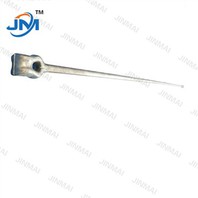
As a leading supplier of Bolt Wire Clamps, I often receive inquiries from customers about the maximum wire size that our clamps can hold. This is a crucial question, as using the right clamp for the wire size is essential for ensuring a safe and reliable electrical connection. In this blog post, I will delve into the factors that determine the maximum wire size a Bolt Wire Clamp can accommodate and provide some practical guidelines to help you make the right choice.
Understanding Bolt Wire Clamps
Bolt Wire Clamps are widely used in electrical installations to secure wires and cables. They are designed to provide a strong and stable connection, preventing wires from coming loose due to vibration, movement, or other external forces. These clamps typically consist of a body, a bolt, and a nut. The wire is placed between the body of the clamp and a pressure plate, and the bolt is tightened to apply pressure and hold the wire in place.
Factors Affecting the Maximum Wire Size
Several factors influence the maximum wire size that a Bolt Wire Clamp can hold. Understanding these factors is key to selecting the appropriate clamp for your application.
1. Clamp Design and Dimensions
The physical design and dimensions of the Bolt Wire Clamp play a significant role in determining the maximum wire size it can accommodate. Clamps come in various sizes and shapes, with different internal diameters and opening widths. A clamp with a larger internal diameter and wider opening can generally hold a larger wire.
For example, our NXJG Wire Clamp is designed with a specific internal diameter range that dictates the maximum and minimum wire sizes it can handle. When choosing a clamp, it is essential to refer to the manufacturer's specifications to ensure that the wire size you are using falls within the recommended range.
2. Material and Strength
The material used to manufacture the Bolt Wire Clamp also affects its ability to hold a wire. Clamps are typically made from materials such as steel, aluminum, or brass, each with its own strength and durability characteristics.
Steel clamps are known for their high strength and can withstand greater forces, making them suitable for holding larger and heavier wires. Aluminum clamps, on the other hand, are lightweight and corrosion-resistant, but they may have a lower load-bearing capacity compared to steel. Brass clamps offer good electrical conductivity and are often used in applications where electrical performance is critical.


The strength of the clamp is also determined by its construction and the quality of the manufacturing process. A well-made clamp with proper heat treatment and finishing will be able to hold a wire more securely and reliably.
3. Application Requirements
The specific application in which the Bolt Wire Clamp will be used is another important factor to consider. Different applications have different requirements in terms of wire size, tension, and environmental conditions.
In a high-voltage electrical transmission line, for example, larger wires with higher current-carrying capacities are used, and the clamps need to be able to withstand greater mechanical stress and electrical forces. In a low-voltage residential wiring installation, smaller wires may be used, and the clamps may not need to be as heavy-duty.
Environmental factors such as temperature, humidity, and exposure to chemicals or corrosive substances can also affect the performance of the clamp. In harsh environments, it may be necessary to choose a clamp made from a more corrosion-resistant material or to apply a protective coating to ensure long-term reliability.
Determining the Maximum Wire Size
To determine the maximum wire size that a Bolt Wire Clamp can hold, you can follow these steps:
1. Check the Manufacturer's Specifications
The first step is to refer to the manufacturer's specifications for the specific Bolt Wire Clamp you are considering. These specifications will typically include information on the maximum and minimum wire sizes that the clamp can accommodate, as well as other important details such as the material, dimensions, and recommended torque values.
Make sure to choose a clamp that is designed for the wire size and application you have in mind. Using a clamp that is too small for the wire can result in a loose connection, which can lead to overheating, arcing, and potential safety hazards. Conversely, using a clamp that is too large for the wire may not provide sufficient pressure to hold the wire securely.
2. Consider the Wire Type and Insulation
The type of wire and its insulation also need to be taken into account when determining the maximum wire size. Different types of wires have different diameters and cross-sectional areas, even if they have the same current-carrying capacity.
For example, a stranded wire may have a larger overall diameter than a solid wire of the same gauge, due to the presence of multiple strands. In addition, the thickness and type of insulation on the wire can also affect its diameter. When choosing a clamp, make sure to measure the outside diameter of the wire, including the insulation, to ensure a proper fit.
3. Evaluate the Application Requirements
As mentioned earlier, the specific application requirements will also influence the choice of clamp and the maximum wire size it can hold. Consider factors such as the expected tension on the wire, the environmental conditions, and the electrical load requirements.
If the wire will be subject to high tension or vibration, you may need to choose a clamp with a higher load-bearing capacity. In a corrosive environment, a clamp made from a corrosion-resistant material or with a protective coating may be necessary.
Practical Examples
Let's take a look at some practical examples to illustrate how to determine the maximum wire size for a Bolt Wire Clamp.
Example 1: Residential Wiring
In a typical residential wiring installation, you may be using 12-gauge or 14-gauge solid copper wires for lighting and outlet circuits. For these applications, a standard Bolt Wire Clamp with an internal diameter range of 0.15 - 0.2 inches would be suitable.
Our Electric Hook-type Wire Clamp/Splint is designed for use in residential and commercial wiring applications and can accommodate wires within this size range. It is made from high-quality steel and provides a secure and reliable connection.
Example 2: High-Voltage Transmission Line
In a high-voltage transmission line, larger wires with higher current-carrying capacities are used. For example, a 336.4 kcmil (thousand circular mils) aluminum conductor steel-reinforced (ACSR) wire may be used.
For this type of application, a heavy-duty Bolt Wire Clamp made from steel with a larger internal diameter and higher load-bearing capacity would be required. Our ADSS Cable Fittings are designed for use in high-voltage transmission and distribution systems and can accommodate larger wires and cables.
Conclusion
Choosing the right Bolt Wire Clamp for your application is essential for ensuring a safe and reliable electrical connection. By understanding the factors that affect the maximum wire size a clamp can hold and following the guidelines outlined in this blog post, you can make an informed decision and select the appropriate clamp for your needs.
If you have any questions or need further assistance in choosing the right Bolt Wire Clamp for your application, please do not hesitate to contact us. Our team of experts is always ready to help you find the best solution for your electrical needs. We look forward to discussing your requirements and working with you to ensure a successful project.
References
- Electrical Wiring Handbook, National Electrical Code (NEC)
- Handbook of Electrical Engineering, McGraw-Hill
- Manufacturer's specifications for Bolt Wire Clamps