When it comes to shipping steel cross arms, as a reliable steel cross arm supplier, we understand that choosing the right shipping method is crucial for our customers. It not only affects the cost but also the delivery time and the safety of the products. In this blog, we will explore the various shipping methods available for steel cross arms, their advantages, and disadvantages, to help you make an informed decision.
1. Ocean Freight
Ocean freight is one of the most common shipping methods for steel cross arms, especially for large - scale orders and long - distance shipments.
Advantages
- Cost - effective for large volumes: Steel cross arms are often bulky and heavy. Ocean freight can handle large quantities of goods at a relatively low cost per unit. For example, if you are ordering a container - load of steel cross arms, the cost of shipping them by sea will be significantly lower compared to other methods.
- Suitable for heavy and oversized items: Steel cross arms can be quite heavy and large in size. Ocean vessels have the capacity to accommodate these bulky items without much difficulty. There are different types of containers available, such as 20 - foot and 40 - foot containers, which can be chosen according to the quantity and size of the steel cross arms.
Disadvantages
- Longer transit time: One of the main drawbacks of ocean freight is the long transit time. Depending on the origin and destination, it can take weeks or even months for the shipment to reach its final destination. This can be a problem if you have a tight project schedule.
- Limited tracking capabilities: Compared to air freight, the tracking of ocean shipments is not as real - time and detailed. It can be challenging to get accurate information about the exact location and status of the shipment during transit.
2. Air Freight
Air freight is a faster shipping option for steel cross arms, although it comes with a higher cost.
Advantages
- Fast delivery: Air freight is the quickest way to transport steel cross arms. It can significantly reduce the transit time, which is ideal for urgent orders or projects with strict deadlines. For instance, if you need a small quantity of steel cross arms for an immediate repair or a new project that is starting soon, air freight can get the products to you in a matter of days.
- High - level tracking: Airlines usually provide advanced tracking systems that allow you to monitor the progress of your shipment in real - time. You can easily access information about the departure, arrival, and current location of the cargo.
Disadvantages
- High cost: The cost of air freight is much higher than ocean freight. This is due to the high operating costs of airlines, including fuel, maintenance, and airport fees. The weight and volume of steel cross arms also contribute to the high cost, as airlines charge based on both weight and volumetric weight.
- Weight and size restrictions: Airlines have strict weight and size limitations. If your steel cross arms are too large or heavy, they may not be eligible for air freight, or you may need to pay additional fees for special handling.
3. Road Freight
Road freight is a flexible shipping option, especially for domestic or regional shipments of steel cross arms.
Advantages
- Flexibility: Road freight offers great flexibility in terms of pick - up and delivery locations. Trucks can reach almost any destination, including remote areas where other shipping methods may not be available. This is particularly useful for customers who need the steel cross arms to be delivered directly to their construction sites.
- Short - distance efficiency: For short - distance shipments, road freight is often the most efficient option. It can be faster than ocean freight and more cost - effective than air freight for local or regional deliveries.
Disadvantages
- Limited capacity for large volumes: Trucks have a limited carrying capacity compared to ocean vessels. If you have a large order of steel cross arms, you may need to use multiple trucks, which can increase the cost and complexity of the shipment.
- Dependence on road conditions: Road freight is highly dependent on road conditions, traffic, and weather. Delays can occur due to factors such as road closures, traffic jams, or adverse weather conditions.
4. Rail Freight
Rail freight is another option for shipping steel cross arms, especially for long - distance inland shipments.
Advantages
- Cost - effective for long - distance inland: Rail freight can be a cost - effective solution for transporting steel cross arms over long distances within a country or a region. It has lower fuel costs compared to road freight and can handle large volumes of goods.
- Environmentally friendly: Rail transportation is generally more environmentally friendly than road freight, as it produces fewer emissions per ton - mile.
Disadvantages
- Limited flexibility: Rail networks are not as extensive as road networks. There may be limitations in terms of pick - up and delivery locations. You may need to arrange for additional transportation (such as road freight) to get the steel cross arms from the rail terminal to the final destination.
- Transit time variability: The transit time of rail freight can be variable, depending on factors such as train schedules, track maintenance, and congestion. It may not be as reliable as air freight in terms of meeting strict deadlines.
Factors to Consider When Choosing a Shipping Method
- Quantity and size of the order: If you have a large order of steel cross arms, ocean freight or rail freight may be more suitable due to their capacity. For small orders or urgent requirements, air freight or road freight may be the better choice.
- Delivery time: Consider the project schedule and how quickly you need the steel cross arms. If time is of the essence, air freight is the best option, while ocean freight is more appropriate for less urgent orders.
- Cost: Evaluate your budget and compare the costs of different shipping methods. Remember to consider not only the shipping cost but also other associated costs, such as insurance, customs duties, and handling fees.
- Destination: The location of the destination also plays a role in choosing the shipping method. For international shipments, ocean freight or air freight may be required, while for domestic or regional deliveries, road or rail freight could be more practical.
Related Products
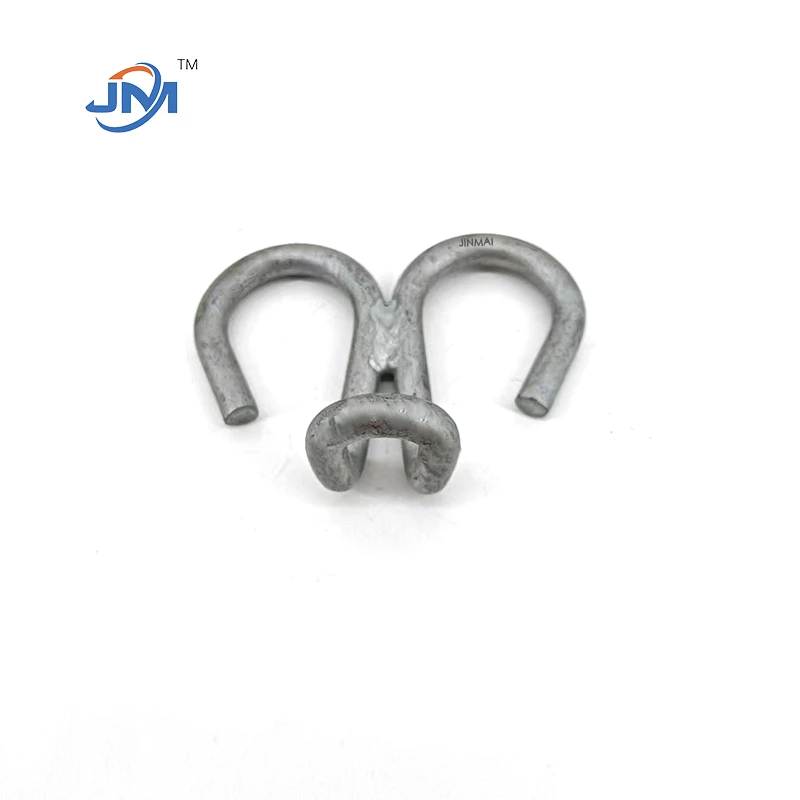
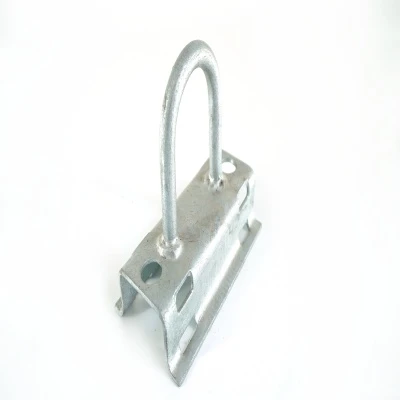
We also offer other high - quality products related to steel cross arms, such as Guy Thimble For Overhead Line Transmission, RAM'S HORN HOOK, and FTH Accessor Ies Galvanized Steel Pole Bracket/Galvanized Steel Pole Bracket Manufacturer. These products are designed to work seamlessly with our steel cross arms and can enhance the performance and safety of your overhead line transmission systems.
Contact Us for Purchase and Negotiation
We are committed to providing our customers with the best shipping solutions for their steel cross arm orders. Whether you need a large quantity for a major project or a small amount for a minor repair, we can help you choose the most suitable shipping method. If you are interested in purchasing our steel cross arms or any of our related products, please feel free to contact us. We look forward to discussing your requirements and negotiating the best deal for you.
References
- International Maritime Organization (IMO). Guidelines for the Safe Transport of Bulky and Heavy Cargoes.
- International Air Transport Association (IATA). Cargo Regulations Handbook.
- Federal Highway Administration (FHWA). Freight Transportation Planning Guide.
- Association of American Railroads (AAR). Freight Rail Service and Capacity.