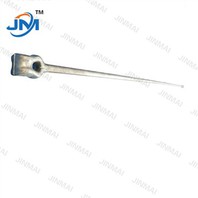
ADSS (All-Dielectric Self-Supporting) cables have become a cornerstone in modern communication and power distribution systems, thanks to their unique properties such as high strength, resistance to environmental factors, and self - supporting capabilities. As a leading ADSS Cable Fittings supplier, I often encounter the question: Are ADSS cable fittings suitable for all types of ADSS cables? In this blog, I will delve into this topic, exploring the various factors that determine the compatibility of ADSS cable fittings with different ADSS cables.
Understanding ADSS Cables
Before discussing the compatibility of fittings, it's essential to understand the different types of ADSS cables. ADSS cables are primarily classified based on their design, construction, and application requirements. The most common types include loose tube ADSS cables, central tube ADSS cables, and stranded ADSS cables.
Loose tube ADSS cables consist of multiple fiber optic loose tubes surrounded by strength members and a protective outer sheath. These cables are suitable for long - distance applications and can withstand high tensile loads. Central tube ADSS cables, on the other hand, have a single central tube that houses the fiber optics, with strength members placed around the tube. They are more compact and are often used in medium - distance applications. Stranded ADSS cables are made by stranding multiple fiber optic units together, providing flexibility and resistance to bending.
Factors Affecting Fitting Compatibility
Cable Diameter
One of the most critical factors in determining the compatibility of ADSS cable fittings is the cable diameter. Different types of ADSS cables can have varying diameters depending on their construction and the number of fiber optic strands they contain. Fittings such as clamps and splice enclosures are designed to accommodate specific cable diameters. For example, a clamp that is designed for a small - diameter central tube ADSS cable may not fit a larger - diameter loose tube ADSS cable. As a supplier, we offer a wide range of fittings with different size specifications to ensure that they can be used with various cable diameters.
Tensile Strength
ADSS cables are designed to withstand different levels of tensile strength based on their application. For instance, cables used in long - span installations need to have higher tensile strength compared to those used in shorter spans. Fittings must be able to handle the same or higher level of tensile strength as the cable. If a fitting has a lower tensile strength rating than the cable, it can fail under load, leading to cable damage or even system failure. Our Pole Top Bracket is designed to support high - tensile ADSS cables, ensuring reliable performance in various installation scenarios.
Environmental Conditions
The environmental conditions in which the ADSS cable is installed also play a crucial role in fitting compatibility. Cables installed in harsh environments, such as areas with high humidity, extreme temperatures, or exposure to chemicals, require fittings that can withstand these conditions. For example, in coastal areas where there is a high salt content in the air, fittings need to be made of corrosion - resistant materials. Our fittings are made from high - quality materials such as stainless steel and galvanized steel, which provide excellent resistance to corrosion and can be used in a wide range of environmental conditions.
Installation Requirements
Different types of ADSS cables may have different installation requirements. Some cables may require a more complex installation process, while others can be installed more easily. Fittings need to be designed to meet these installation requirements. For example, Thimble Eye Rods are often used in ADSS cable installations to provide a secure connection point. These rods are designed to be easily installed and can be adjusted to fit different cable configurations.
Specialized Fittings for Specific Cable Types
While some ADSS cable fittings are designed to be universal and can be used with a wide range of cable types, there are also specialized fittings for specific cable designs.
Fittings for Loose Tube ADSS Cables
Loose tube ADSS cables require fittings that can protect the loose tubes from damage during installation and operation. Splice enclosures for loose tube cables need to be designed to accommodate the multiple tubes and provide a secure and waterproof environment for splicing the fiber optics. Clamps for loose tube cables need to be able to grip the cable firmly without damaging the tubes.
Fittings for Central Tube ADSS Cables
Central tube ADSS cables are more compact, and their fittings need to be designed accordingly. Splice enclosures for central tube cables are usually smaller in size and are designed to provide a tight seal around the central tube. Clamps for central tube cables need to be able to apply even pressure around the tube to prevent damage.
Fittings for Stranded ADSS Cables
Stranded ADSS cables require fittings that can handle the flexibility and bending characteristics of the stranded design. Splice enclosures for stranded cables need to be able to accommodate the multiple strands and provide a stable environment for splicing. Clamps for stranded cables need to be designed to grip the cable without causing the strands to separate.
The Importance of Proper Fitting Selection
Selecting the right ADSS cable fittings is crucial for the performance and longevity of the cable system. Using incompatible fittings can lead to a variety of problems, including cable damage, signal loss, and system failure. For example, if a clamp is too tight on a cable, it can cause micro - bending in the fiber optics, which can result in signal attenuation. On the other hand, if a clamp is too loose, the cable may not be properly secured, leading to movement and potential damage.

As a supplier, we understand the importance of proper fitting selection. We provide technical support to our customers to help them choose the right fittings for their specific cable types and installation requirements. Our team of experts can analyze the cable specifications, installation environment, and application needs to recommend the most suitable fittings.
Conclusion
In conclusion, ADSS cable fittings are not suitable for all types of ADSS cables. The compatibility of fittings depends on several factors, including cable diameter, tensile strength, environmental conditions, and installation requirements. While there are some universal fittings that can be used with a wide range of cable types, specialized fittings are often required for specific cable designs.
As a trusted ADSS Cable Fittings supplier, we offer a comprehensive range of fittings that are designed to meet the diverse needs of our customers. Whether you are installing a loose tube, central tube, or stranded ADSS cable, we have the right fittings for you. Our Stay Rod Assembly and other products are manufactured to the highest quality standards, ensuring reliable performance and long - term durability.

If you are in the process of planning an ADSS cable installation or need to replace existing fittings, we invite you to contact us for a detailed discussion. Our team is ready to assist you in selecting the most appropriate fittings for your project. We look forward to the opportunity to work with you and contribute to the success of your ADSS cable system.

References
- Grob, M. (2015). Fiber Optic Communication Systems. McGraw - Hill Education.
- O'Reilly, T. (2018). Handbook of Telecommunications Switching and Routing. Elsevier.
- Smith, J. (2020). ADSS Cable Installation and Maintenance Guide. IEEE Press.