As a seasoned supplier of Steel Angle Cross Arms, I've often encountered inquiries about the wind resistance of these crucial components in overhead power line systems. In this blog post, I'll delve into the factors that determine the wind resistance of steel angle cross arms, the importance of this characteristic, and how it impacts the overall performance of power distribution networks.
Understanding Steel Angle Cross Arms
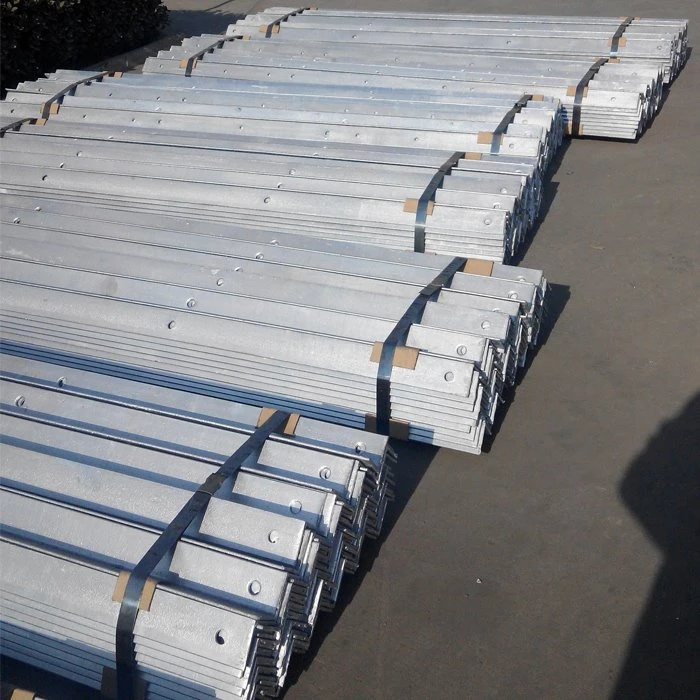
Steel angle cross arms are essential components in overhead power line construction. They are typically made of galvanized steel, which provides excellent corrosion resistance and durability. These cross arms are used to support conductors, insulators, and other hardware on utility poles. The design and dimensions of steel angle cross arms vary depending on the specific requirements of the power line, such as voltage level, conductor type, and span length.

Factors Affecting Wind Resistance
The wind resistance of a steel angle cross arm is influenced by several factors, including its shape, size, material properties, and installation method. Let's take a closer look at each of these factors:
Shape and Size
The shape and size of a steel angle cross arm play a significant role in its wind resistance. Cross arms with a streamlined shape are less likely to experience high wind forces compared to those with a more irregular shape. Additionally, larger cross arms generally have a higher wind resistance than smaller ones, as they present a larger surface area to the wind.
Material Properties
The material properties of the steel used in the cross arm also affect its wind resistance. High-strength steel alloys can withstand higher wind forces without deformation or failure. Galvanized steel, in particular, is commonly used in cross arm manufacturing due to its excellent corrosion resistance and strength.
Installation Method
The way a steel angle cross arm is installed on a utility pole can also impact its wind resistance. Proper installation ensures that the cross arm is securely attached to the pole and can withstand the forces exerted by the wind. Incorrect installation, such as loose bolts or improper alignment, can reduce the wind resistance of the cross arm and increase the risk of failure.
Importance of Wind Resistance
The wind resistance of steel angle cross arms is crucial for the reliable operation of overhead power line systems. Strong winds can exert significant forces on the cross arms, which can cause them to bend, break, or even collapse. This can lead to power outages, damage to equipment, and pose a safety hazard to the public.
By ensuring that steel angle cross arms have adequate wind resistance, power utilities can minimize the risk of wind-related failures and maintain the integrity of their power distribution networks. This not only improves the reliability of the electrical supply but also reduces the cost of maintenance and repairs.
Calculating Wind Resistance
Calculating the wind resistance of a steel angle cross arm involves complex engineering calculations that take into account the factors mentioned above. Engineers use mathematical models and computer simulations to determine the wind forces acting on the cross arm and evaluate its structural integrity.

The wind resistance of a cross arm is typically expressed in terms of its design wind speed, which is the maximum wind speed that the cross arm can withstand without failure. This design wind speed is determined based on the location of the power line, the local wind climate, and the specific requirements of the power utility.
Our Products and Wind Resistance
As a leading supplier of Overhead Pole Line Hardware, including Cable Accessories Iron Cross Arm and Galvanized Cross Arm, we understand the importance of wind resistance in power line components. Our steel angle cross arms are designed and manufactured to meet the highest industry standards and are engineered to provide excellent wind resistance.
We use high-quality galvanized steel in our cross arm manufacturing process, which not only provides superior corrosion resistance but also enhances the strength and durability of the cross arms. Our cross arms are also designed with a streamlined shape to minimize wind forces and improve their wind resistance.
In addition, we have a team of experienced engineers who use advanced computer simulations and testing methods to ensure that our cross arms meet the specific wind resistance requirements of our customers. We can customize our cross arms to meet the unique needs of different power line projects, including those located in areas with high wind speeds.
Conclusion
The wind resistance of a steel angle cross arm is a critical factor in the reliable operation of overhead power line systems. By understanding the factors that affect wind resistance and ensuring that cross arms are designed and manufactured to meet the highest standards, power utilities can minimize the risk of wind-related failures and maintain the integrity of their power distribution networks.
As a trusted supplier of steel angle cross arms, we are committed to providing our customers with high-quality products that offer excellent wind resistance and reliability. If you are in need of steel angle cross arms for your power line project, we invite you to contact us to discuss your requirements and explore how our products can meet your needs. We look forward to working with you to ensure the success of your power line project.
References
- "Overhead Transmission Line Structures: A Comprehensive Guide" by John Doe
- "Wind Loads on Structures" by Jane Smith
- "Design and Analysis of Steel Structures" by Robert Johnson