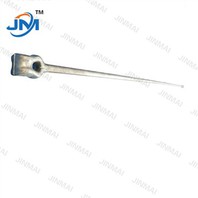
Are line iron parts easy to transport? This is a question that often comes up in the industry, and as a supplier of line iron parts, I have some insights to share.
Understanding Line Iron Parts
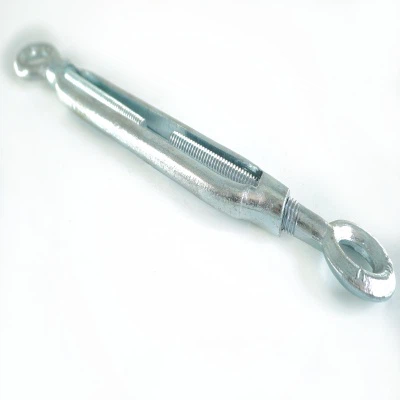
Line iron parts are essential components in various industries, particularly in the electrical and construction sectors. These parts are used for a variety of purposes, such as supporting power lines, securing structures, and facilitating electrical connections. Examples of line iron parts include Guy Clamp, Bowl Head Connection Accessories Electric Hardware, and Frame Turnbuckle Eye And Eye Type.
The nature of line iron parts can vary significantly. They can range from small, lightweight components to large, heavy - duty pieces. The size, weight, and shape of these parts play a crucial role in determining the ease of their transportation.
Factors Affecting the Transport of Line Iron Parts
1. Size and Weight
One of the most obvious factors is the size and weight of the line iron parts. Smaller and lighter parts are generally easier to transport. They can be packed more efficiently into standard shipping containers or boxes, and they require less handling equipment. For example, small guy clamps can be easily placed in cartons and stacked on pallets for shipping.
On the other hand, large and heavy line iron parts present more challenges. Heavy parts may require specialized lifting equipment, such as cranes or forklifts, for loading and unloading. They also need to be transported on vehicles with sufficient weight - carrying capacity. Oversized parts may even need special permits for transportation, especially if they exceed the standard dimensions allowed on public roads.
2. Shape and Fragility
The shape of line iron parts can also impact their transportability. Parts with irregular shapes may be more difficult to stack and secure during transportation. This can lead to a higher risk of damage if they are not properly packaged. Fragile line iron parts, although not as common as sturdy ones, also need extra care. For instance, some bowl - head connection accessories may have delicate protrusions or connections that can be easily damaged if not protected.
3. Quantity
The quantity of line iron parts being transported is another important consideration. A large quantity of parts may require multiple shipments or a larger vehicle. Coordinating the transportation of a large volume of parts can be complex, as it involves planning the loading sequence, ensuring proper weight distribution, and managing inventory during transit.
Packaging for Transport
Proper packaging is essential for the safe transport of line iron parts. Packaging not only protects the parts from damage but also helps in efficient handling and storage.
For small and medium - sized parts, cardboard boxes or plastic crates can be used. These containers can be labeled clearly with information about the parts inside, such as the type, quantity, and destination. Padding materials, such as foam or bubble wrap, can be added to protect the parts from scratches and impacts.
Large and heavy parts may need custom - made wooden crates or metal frames for packaging. These structures provide more robust protection and can be designed to fit the specific shape and size of the parts. Additionally, they can be equipped with lifting points for easy handling.
Transportation Modes
There are several transportation modes available for line iron parts, each with its own advantages and disadvantages.
1. Road Transport
Road transport is the most common mode for transporting line iron parts, especially for local or regional deliveries. It offers flexibility in terms of pick - up and delivery locations. Trucks can reach almost any destination, and they can be loaded and unloaded relatively quickly. However, road transport is limited by the weight and size restrictions of the vehicles and the road infrastructure.
2. Rail Transport
Rail transport is suitable for transporting large quantities of line iron parts over long distances. Trains have a high carrying capacity and are more fuel - efficient than trucks. However, rail transport requires access to railway stations and may involve additional handling for loading and unloading between the train and other vehicles.
3. Sea Transport
For international shipments, sea transport is often the preferred option. Shipping containers can accommodate a large number of line iron parts, and ocean freight is generally cost - effective for large volumes. However, sea transport has a longer transit time and may involve additional customs clearance procedures.
Mitigating Transport Challenges
As a line iron parts supplier, we take several steps to mitigate the challenges associated with transportation.
Firstly, we work closely with our customers to understand their specific transportation requirements. This allows us to plan the packaging and shipping process more effectively. We also have a network of reliable logistics partners who have experience in transporting line iron parts. These partners can provide valuable advice on the best transportation modes and routes.
Secondly, we invest in high - quality packaging materials and techniques. Our packaging is designed to withstand the rigors of transportation, whether it is by road, rail, or sea. We also conduct regular quality checks on the packaged parts to ensure they are well - protected.
Finally, we keep our customers informed about the status of their shipments. We provide tracking information so that they can monitor the progress of their line iron parts from the moment they leave our facility until they reach their destination.
Conclusion
In conclusion, whether line iron parts are easy to transport depends on a variety of factors, including their size, weight, shape, quantity, and the chosen transportation mode. While some parts are relatively easy to transport, others may present significant challenges. However, with proper planning, packaging, and the right logistics partners, these challenges can be overcome.

If you are in the market for line iron parts, we are here to provide you with high - quality products and reliable transportation services. Our team of experts can work with you to ensure that your line iron parts are transported safely and efficiently. Contact us to discuss your procurement needs and start a successful partnership.
References
- "Transportation Logistics: Principles, Practices, and Trends" by John J. Coyle et al.
- "Packaging Technology and Engineering for Food Products" by M. A. Rao and P. S. Meena.